
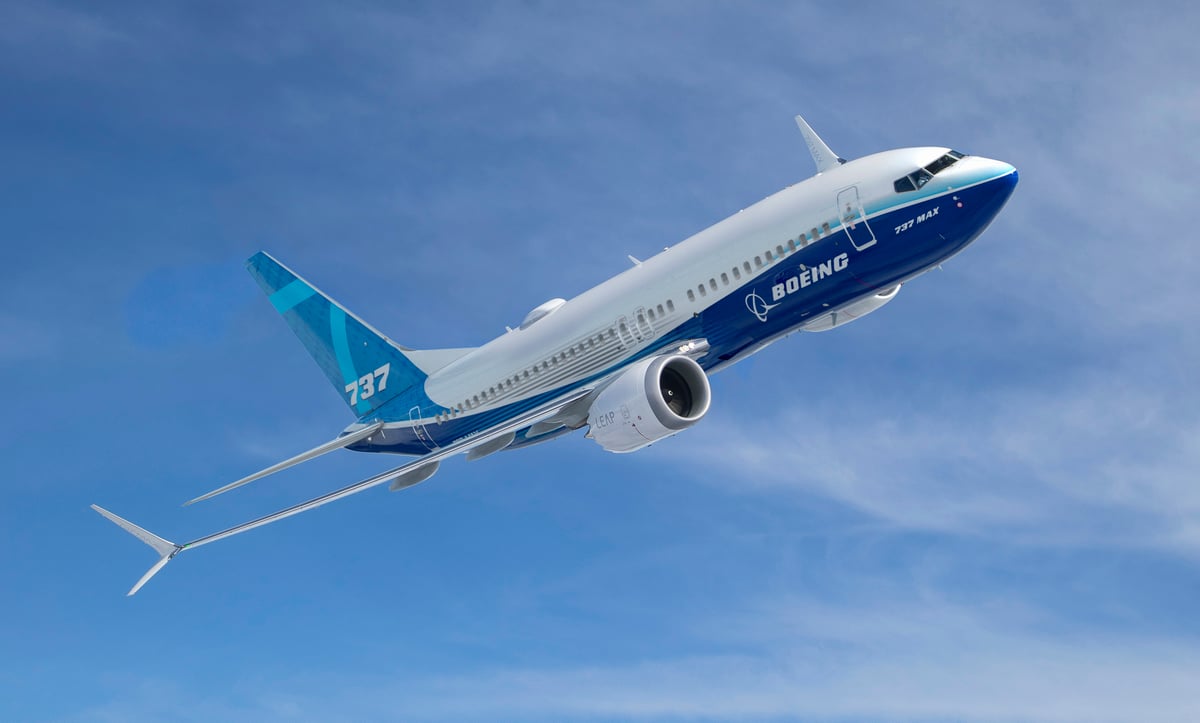
Boeing's Safety Crisis Deepens: Can the Aircraft Giant Rebuild Investor Trust?
Boeing stands at a critical crossroads as persistent safety and quality issues continue to plague the aviation giant, raising serious questions about whether the company can overcome a decade of underperformance and restore shareholder confidence. With its stock lagging the S&P 500 by more than 80% over the past ten years and dividends suspended since 2020, the aerospace manufacturer faces mounting pressure to demonstrate meaningful operational and cultural reform.
The crisis is multifaceted. Beyond the devastating crashes of the 737 MAX aircraft that claimed hundreds of lives and prompted a nearly two-year grounding, Boeing has grappled with cabin depressurization incidents, production quality lapses, and complications with its Starliner spacecraft program—a partnership with NASA for crewed missions to the International Space Station. These cascading failures have exposed deeper governance and cultural deficiencies that extend far beyond isolated incidents.
The Safety Record That Won't Go Away
The 737 MAX tragedy remains the most visible wound on Boeing's reputation. The aircraft model was grounded worldwide from 2019 to 2020 following two fatal crashes—one in Indonesia in October 2018 and another in Ethiopia in March 2019—that killed 346 people collectively. Investigations revealed that a flawed automated system called MCAS (Maneuvering Characteristics Augmentation System) was not adequately disclosed to pilots or regulators, representing a catastrophic failure in transparency and engineering oversight.
Since the 737 MAX's return to service, Boeing has experienced additional safety incidents that prevent the narrative from moving beyond crisis management:
- Cabin depressurization events on 737 MAX aircraft, forcing emergency descents
- Quality control failures in manufacturing, including structural defects discovered during production
- Starliner spacecraft delays and technical anomalies, jeopardizing the company's lucrative NASA contracts and delaying crewed missions
- Production lapses that have cost the company significant reputational capital with both regulators and customers
While some analysts point to recent improvements—noting that 737 MAX production has begun meeting consistency and quality metrics—these gains are overshadowed by the underlying corporate culture issues that critics argue remain unresolved. The question haunting investors is whether operational improvements address only the symptoms while the disease of institutional failure persists.
Market Context: A Decade of Underperformance and Industry Pressures
The 80%+ underperformance versus the S&P 500 over the past decade reflects not merely recent crises but a long erosion of competitive advantage and operational excellence. This performance gap stands in stark contrast to Boeing's historical position as a blue-chip industrial leader and highlights how thoroughly safety incidents can destroy shareholder value.
Boeing's troubles occur within a competitive landscape where rivals like Airbus have capitalized on the 737 MAX grounding to gain market share. The aerospace sector, already sensitive to regulatory scrutiny and safety concerns, has watched Boeing's missteps with intense focus. The FAA (Federal Aviation Administration) has intensified oversight of the company, implementing special certification review processes that slow new product launches and increase compliance costs.
The dividend suspension in 2020—a symbolic admission that the company needed to preserve cash and focus on recovery—sent reverberations through the institutional investor base. For income-focused portfolios that had long relied on Boeing's dividend, this was a significant blow. The company has yet to restore its dividend, suggesting management remains cautious about financial sustainability.
Regulatory pressures add another layer of complexity. Beyond the FAA, Boeing faces potential criminal liability investigations, congressional scrutiny, and lawsuits from crash victims' families. The reputational damage extends to supply chain partners and customers who increasingly demand ironclad assurances about safety.
Investor Implications: Separating Hope from Reality
For current and prospective shareholders, Boeing ($BA) presents a paradox: a company with undeniable strategic importance to the global aviation ecosystem, yet one whose ability to execute has been fundamentally questioned.
The Bull Case: Some investors argue that Boeing remains the only competitive alternative to Airbus in large commercial aircraft manufacturing, creating structural demand for the company's products. The 737 MAX, despite its troubled history, remains the best-selling commercial aircraft in history, and its return to consistent production should drive revenue growth. Additionally, the aerospace sector benefits from long-term tailwinds including growing commercial air travel demand and rising defense spending.
The Bear Case: Critics contend that Boeing's governance failures and cultural problems represent existential risks that cannot be quickly remedied. The suspension of dividends, coupled with the need for massive capital investment in quality and safety, suggests that shareholder returns will remain constrained for years. The Starliner program's delays and technical issues raise questions about management's ability to execute complex engineering projects. Most concerning, if another major safety incident occurs, the company could face criminal liability, massive recalls, and potentially accelerated regulatory action that could impair its competitive position.
Key metrics investors should monitor:
- 737 MAX delivery rates and order backlogs as indicators of customer confidence
- Free cash flow generation in light of ongoing capital requirements and dividend suspension
- Regulatory approval timelines for new aircraft and spacecraft programs
- Insurance and legal settlements related to prior crashes and safety incidents
- Management turnover and leadership credibility, signaling whether cultural change is genuine
The dividend suspension remains a critical signal. Restoring it would suggest management believes the company has stabilized, but the timing and conditions of any reinstatement will matter enormously to investors assessing financial health.
The Road Ahead: Rebuilding or Redemption?
Boeing faces a multi-year journey to restore investor confidence. The company's recent progress in meeting 737 MAX production metrics suggests operational improvements are possible, yet skeptics rightly point out that manufacturing consistency is only one measure of a much larger recovery. The underlying issues—corporate culture, governance rigor, and a demonstrated commitment to transparency over profit—require sustained behavioral change that cannot be verified in quarterly earnings reports.
For investors, Boeing remains a high-stakes, high-risk investment. The company is too systemically important to fail, which may provide a safety net for equity holders, but that same strategic importance means the company will face unrelenting scrutiny and regulatory pressure. The next 18-24 months will be critical: successful delivery of 737 MAX aircraft, resolution of Starliner issues, and signs of genuine cultural reform could restore some confidence. Conversely, another serious incident would likely trigger a sharp repricing of the stock and potentially threaten the company's long-term viability as an independent entity.
Until Boeing convincingly demonstrates that safety and quality are not merely operational initiatives but fundamental to its corporate DNA, cautious investors may prefer to wait for clearer evidence of sustainable recovery before committing capital to the stock.