
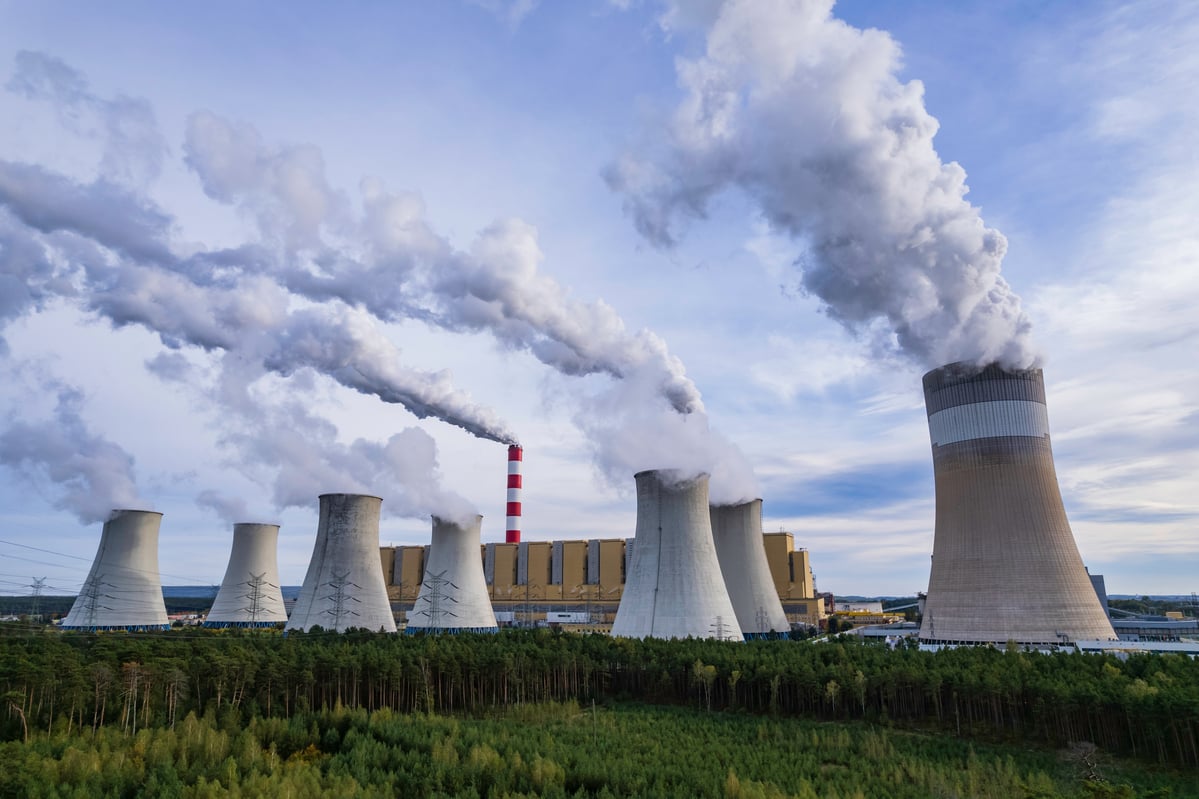
The Nuclear Energy Inflection Point
The artificial intelligence revolution has ignited an unexpected renaissance for nuclear power. As AI data centers consume ever-increasing amounts of electricity, energy providers and technology companies are turning to advanced nuclear technologies to meet demand that traditional grids struggle to support. Two companies at the forefront of this shift—Oklo and NuScale Power—are competing to capture what analysts project could be a staggering $10 trillion opportunity in the coming decades. While both firms specialize in small modular reactor (SMR) technology, a closer examination reveals they're pursuing fundamentally different strategies that position them unequally for the AI-driven energy boom.
The distinction between these competitors hinges on a single critical factor: scale and application. Oklo has engineered smaller, targeted reactor systems specifically designed to power individual data center facilities, while NuScale Power concentrates on larger utility-scale projects intended to supply power to entire communities and regional grids. As major technology companies race to secure reliable, carbon-free electricity for their expanding AI infrastructure, Oklo's approach aligns more closely with immediate market demands.
Key Details: The Technology Divide
Oklo's small modular reactor design represents a fundamentally different value proposition than traditional nuclear infrastructure. The company's systems are engineered to be:
- Modular and scalable: Deployable at individual facility locations without requiring massive grid infrastructure investments
- High power density: Capable of meeting the concentrated energy demands of data centers through compact installations
- Rapid deployment potential: Smaller projects face fewer regulatory hurdles and shorter construction timelines compared to utility-scale facilities
- Distributed energy solutions: Aligned with the decentralized nature of modern data center architecture across multiple geographic locations
NuScale Power, by contrast, pursues utility-scale small modular reactor projects. These installations typically serve broader geographic regions and integrate into existing electrical grids. While this approach offers economies of scale for large utilities and municipal power generation, it requires:
- Longer permitting and regulatory approval cycles
- Significantly higher upfront capital requirements
- Coordination with existing utility infrastructure
- Extended construction timelines measured in years rather than months
The nuclear energy sector has historically been characterized by enormous project costs and extended development periods. NuScale's utility-scale approach, while potentially transformative for regional energy systems, inherently requires navigating complex regulatory environments and utility partnerships. Oklo's distributed model, by contrast, offers faster time-to-revenue and direct relationships with the technology companies driving the AI data center explosion.
Market Context: AI, Energy Demand, and Nuclear Renaissance
The catalyst for nuclear energy's resurgence is unmistakable. AI data centers are experiencing exponential power consumption growth as machine learning models become increasingly sophisticated. Industry observers report that large language model training facilities can consume 50-100 megawatts of continuous power, with some projections suggesting that AI infrastructure could account for 10-15% of total U.S. electricity consumption within the next decade.
Traditional energy sources face significant constraints in meeting this demand:
- Renewable energy limitations: Solar and wind power remain intermittent and cannot reliably supply the consistent baseload power that data centers require
- Grid infrastructure bottlenecks: Many regions lack sufficient transmission capacity to deliver power to data center clusters
- Environmental compliance: Tech companies face mounting pressure from investors and stakeholders to source carbon-free electricity
- Emerging regulatory frameworks: Federal and state governments increasingly incentivize nuclear energy as a climate solution
This convergence creates exceptional tailwinds for SMR technology. Major technology companies—including those developing advanced AI systems—have publicly committed to securing clean energy sources and have begun exploring nuclear partnerships. The regulatory environment has also shifted favorably, with the Nuclear Regulatory Commission streamlining approval processes for small modular reactors and the federal government providing subsidies and tax incentives for nuclear energy development.
NuScale's position in this landscape remains formidable for long-term utility partnerships and regional power generation. The company's focus on larger installations attracts partnerships with established utilities seeking to modernize their generation portfolios. However, utilities operate on extended planning horizons and face their own regulatory complexities, potentially limiting near-term revenue acceleration.
Oklo's positioning offers more immediate commercial momentum. The company's smaller, distributed systems require shorter development cycles and can be deployed incrementally as data center demand expands. Direct relationships with technology companies bypasses traditional utility intermediaries and creates predictable revenue streams from companies with strong balance sheets and urgent energy needs.
Investor Implications: Timing, Scalability, and Risk Profiles
For investors evaluating these nuclear energy plays, the fundamental question centers on timeline and market dynamics. Oklo's approach offers:
- Faster commercialization: Smaller projects achieve operational status and begin generating revenue within shorter timeframes
- Direct enterprise relationships: Technology companies provide predictable, long-term power purchase agreements without utility intermediation
- Capital efficiency: Distributed deployment requires less upfront capital per installation compared to utility-scale megaprojects
- Near-term catalyst events: Multiple project completions could drive revenue recognition and market sentiment improvements
NuScale Power's strategy presents different characteristics:
- Larger addressable market: Utility-scale projects command multibillion-dollar values exceeding individual data center installations
- Established customer relationships: Utilities represent stable, creditworthy partners with regulatory visibility
- Long-term revenue visibility: Decades-long operating lifespans provide predictable cash flow profiles
- Extended development periods: Regulatory approval and construction timelines create delayed revenue realization
The competitive landscape also includes broader market dynamics. Both companies operate within an exceptionally favorable policy environment, with bipartisan support for nuclear energy and substantial federal subsidies supporting SMR development. However, execution risk remains material for both firms. Nuclear technology deployment, regardless of scale, involves complex engineering, regulatory compliance, and operational challenges.
For growth-oriented investors seeking near-term catalysts and revenue acceleration in the nuclear energy sector, Oklo's positioning aligns more closely with the immediate AI data center energy crisis. For value-focused investors prioritizing long-term stability and larger financial opportunities, NuScale's utility-scale approach offers compelling strategic potential, albeit with extended development timelines.
The broader implication for portfolio construction is that the nuclear energy resurgence represents a genuine structural shift in energy markets, with both companies positioned to capture significant portions of a genuinely transformative opportunity. The question for investors becomes not whether nuclear energy will succeed, but which company's execution strategy aligns with their investment timeline and risk tolerance.