
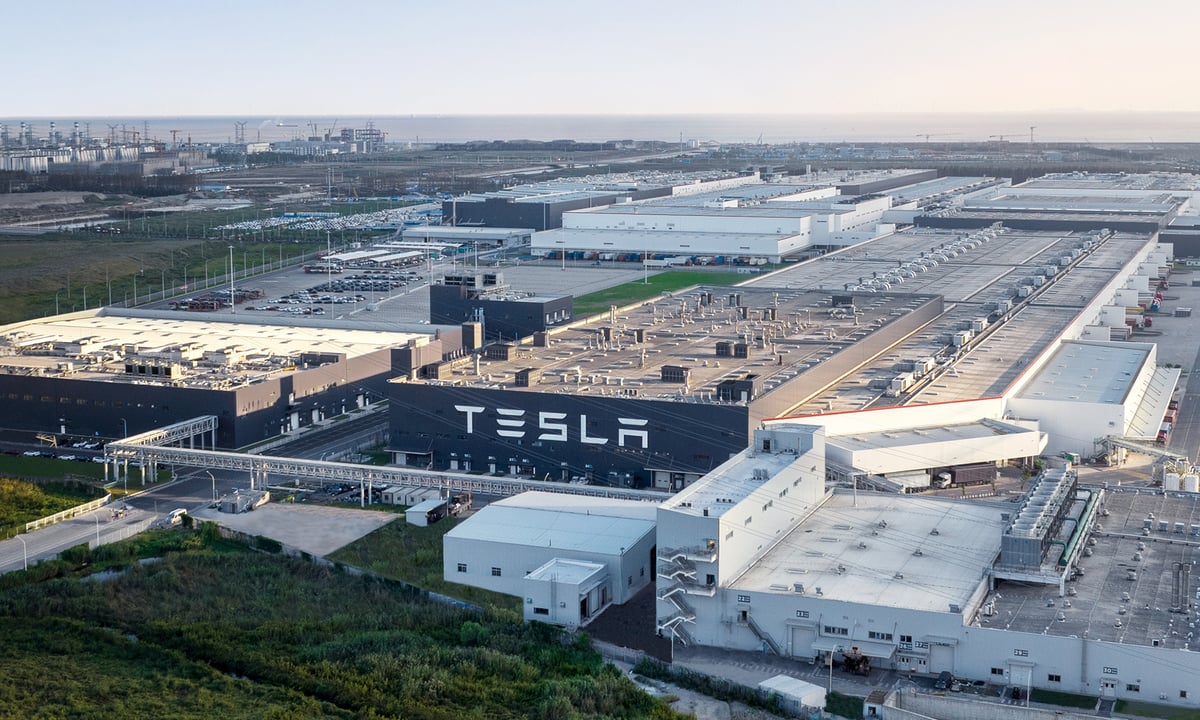
Tesla is intensifying its commitment to electric vehicle production through a substantial $20 billion capital expenditure program focused on expanding battery manufacturing and lithium refining capabilities. This strategic investment underscores the company's continued focus on vertical integration and supply chain control, contrasting sharply with the recent decisions by traditional automakers to scale back their EV initiatives.
Ford and General Motors have recently pivoted away from robotaxi development following significant financial losses in those ventures, signaling a broader reassessment of EV strategies among legacy automotive manufacturers. These companies have taken substantial writedowns as they recalibrate their electric vehicle timelines and investment priorities, reflecting the capital-intensive nature of the sector's transition.
Tesla's multi-billion dollar infrastructure program demonstrates a divergent approach from its competitors, emphasizing long-term buildout of manufacturing and raw material capabilities rather than diversification into autonomous vehicle services. The investment allocation highlights the company's confidence in sustained EV demand and its strategy to control critical supply chain elements as the industry continues its structural shift toward electrification.