
Hormuz Strait Reopens After Ceasefire: Is Oil's Plunge Already Priced In?
Following a ceasefire agreement between Israel and Lebanon, Iran announced the reopening of the Strait of Hormuz, one of the world's most critical energy chokepoints through which roughly one-third of global maritime petroleum trade flows. The geopolitical breakthrough immediately triggered a sharp selloff in crude oil markets, with prices plummeting 10.3% to $81.74 per barrel, while major U.S. equity indexes surged over 1%—signaling investor optimism about reduced energy inflation and improved economic outlook. The pronounced market reaction raises a crucial question for portfolio managers: has this positive development already been fully reflected in current valuations, or does it signal the beginning of a sustained rally?
The Immediate Market Response
The reopening of the Strait of Hormuz triggered a dramatic reshuffling of investor positioning across multiple asset classes. Key market movements included:
- Oil prices: Down 10.3% to $81.74/barrel, reflecting immediate relief on energy supply concerns
- S&P 500 and broader indexes: Gained more than 1% following the announcement
- Russell 2000: Surged 2.7%, with small-cap stocks particularly benefiting from the prospect of lower energy costs
- Energy sector volatility: Compressed significantly as geopolitical risk premiums rapidly unwound
The magnitude of the crude oil decline is particularly noteworthy given that the Strait of Hormuz handles approximately 30% of global maritime oil trade. Prior to the ceasefire announcement, geopolitical tensions in the Middle East had pushed risk premiums into oil valuations, effectively creating a "worry premium" that dissipated within hours of the positive news. The swift reallocation from energy stocks into other sectors, particularly the pronounced outperformance of the Russell 2000, suggests investors were rotating toward economically-sensitive small-cap equities that benefit from lower input costs and reduced stagflation concerns.
This immediate rally presents a classic market timing dilemma: when bad news turns good and prices move sharply, does the initial move represent the bulk of the repricing, or merely the beginning of a longer-term adjustment?
Market Context: Energy Markets and Geopolitical Risk
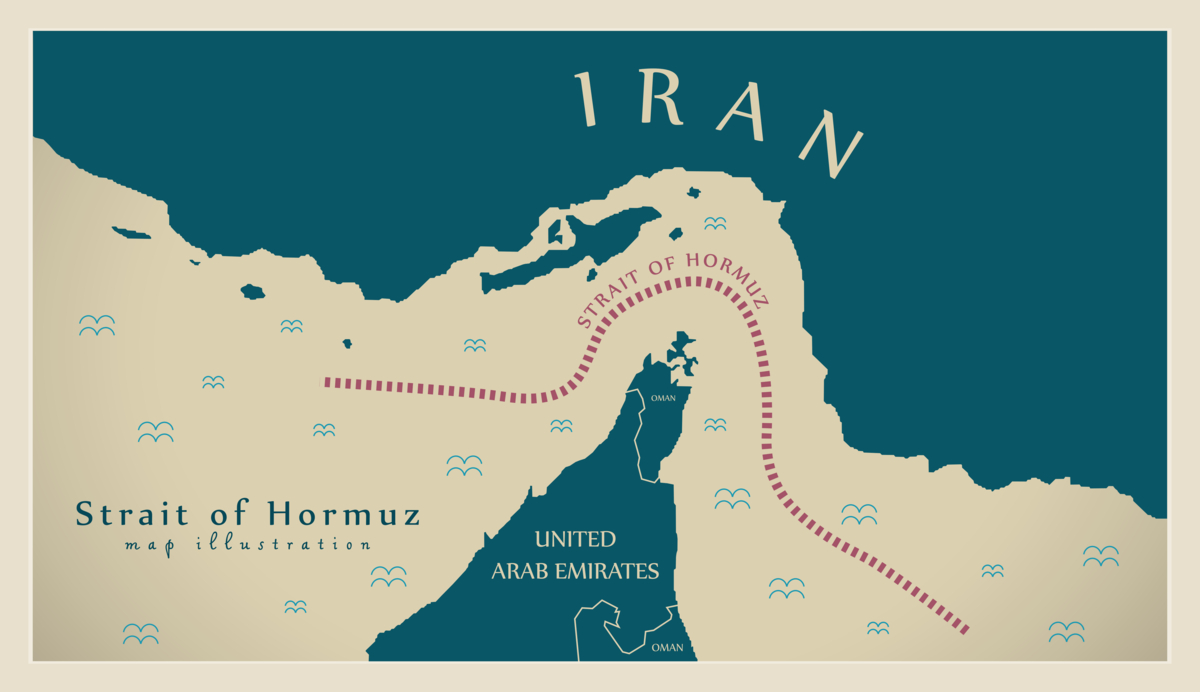
The Strait of Hormuz has long served as the market's barometer for Middle East stability. The narrow waterway, situated between Iran and Oman, represents a critical logistics chokepoint where any disruption threatens global energy supplies and, by extension, worldwide economic growth. Energy markets had been pricing in significant risk premiums over the preceding weeks as regional tensions escalated.
The reopening announcement fundamentally altered the risk narrative:
- Supply concerns ease: The confirmation that this vital shipping lane remains operational removes immediate supply disruption fears
- Inflation implications: Lower crude prices reduce downstream pressure on transportation, manufacturing, and consumer goods costs
- Monetary policy impacts: Reduced energy inflation may give central banks additional flexibility in interest rate decisions, potentially supporting equity valuations
- Corporate profit margins: Energy-intensive industries benefit from lower input costs, potentially supporting earnings growth absent revenue growth
This development occurs against a backdrop of intense scrutiny on inflation dynamics. Since the Federal Reserve began its rate-hiking cycle in 2022, energy prices have remained a key variable in inflation forecasts and monetary policy expectations. A 10%+ decline in crude oil in a single trading session represents a material shift in the inflation outlook, which helps explain the broad equity market enthusiasm.
However, the energy sector itself faced headwinds from the same announcement. Oil and gas companies that had benefited from elevated commodity prices saw their valuations compressed as crude fell sharply. This sector-specific pain within a broader market rally underscores how the market is simultaneously pricing in benefits for consumers and economic activity while penalizing energy producers—a classic rotation trade.
Investor Implications: The Timing Question
The critical question facing institutional investors is whether the initial market spike represents appropriate repricing or an overreaction that will be reversed. Several considerations are relevant:
Valuation absorption: Markets have a demonstrated tendency to front-run positive developments, meaning the bulk of the repricing may have already occurred. If 10.3% crude oil declines and 2.7% small-cap gains represent the fair adjustment to improved geopolitical conditions, further upside may be limited. Conversely, if sustained lower oil prices support margin expansion across industrials, consumer discretionary, and transportation sectors, the rally could have further runway.
Sustainability of the ceasefire: The durability of the Israel-Lebanon ceasefire remains uncertain. Any resurgence of tensions would quickly reverse the positive repricing, potentially whipsawing investors who bought into the rally on expectations of sustained peace. Market participants are essentially pricing in continued stability at the Strait of Hormuz—a bet that carries geopolitical risk.
Earnings catalyst uncertainty: The article notes that upcoming tech earnings are expected to be the next significant driver of market direction. This suggests that despite the enthusiasm from the ceasefire announcement, investors recognize that fundamental corporate performance remains the primary determinant of equity valuations. The tech sector's earnings will likely overshadow energy market developments in driving broader market direction in the near term.
Sector rotation persistence: The 2.7% surge in the Russell 2000 versus more modest gains in large-cap indexes suggests investors are making directional bets on small-cap outperformance tied to lower energy costs. The sustainability of this rotation depends on whether small-cap companies can effectively convert lower input costs into profit growth, rather than allowing those savings to be competed away or absorbed by wage pressures.
For equity investors, the ceasefire announcement presents a classic market moment: the initial euphoria may give way to rationality as the market digests what sustainable lower energy prices actually mean for different sectors and the broader economy. Technology earnings, regulatory developments, and central bank communications will likely prove more influential than energy markets in determining stock direction over the coming weeks.
Looking Ahead: Multiple Catalysts Converge
The reopening of the Strait of Hormuz removes a significant tail risk from market pricing, but it does not represent a complete resolution of all investment concerns. The market faces a complex mixture of catalysts: lower energy costs supporting economic activity, upcoming corporate earnings reports determining actual profit growth, and ongoing questions about sustainable interest rate levels as inflation moderates.
The sharp moves in crude oil prices and equity indexes likely reflect genuine repricing of economic probabilities. However, investors should recognize that this represents a shift in baseline assumptions rather than a complete validation of any particular market narrative. The next phase of market direction will be determined by whether companies can deliver earnings growth in an environment of lower energy costs and whether geopolitical stability persists. Until those fundamental questions are answered through earnings reports and sustained stability in the Middle East, the initial rally may prove to be a high-water mark or merely the opening chapter of a sustained shift in market sentiment.