
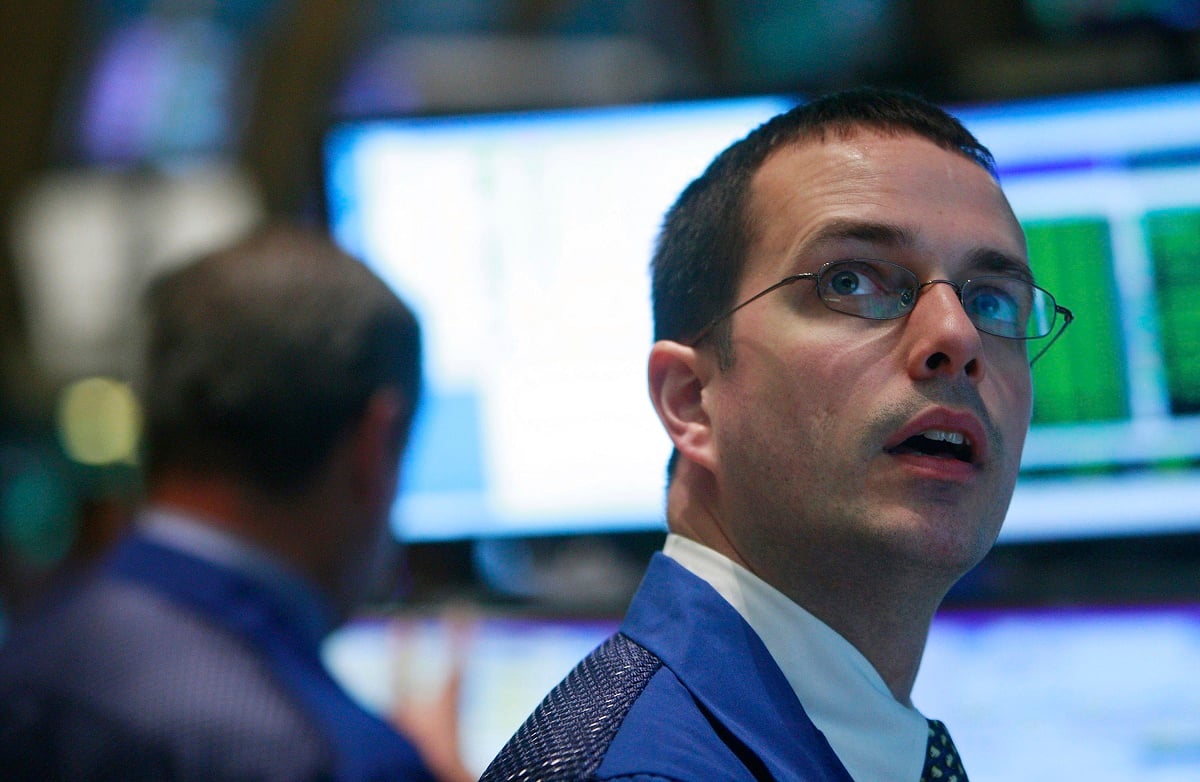
S&P 500, Nasdaq Hit Records as Valuation Warnings Flash Red
The S&P 500 and Nasdaq Composite have reached unprecedented all-time highs, with the tech-heavy Nasdaq posting its longest winning streak of the entire 21st century—13 consecutive trading days of gains. Yet beneath the surface of these celebratory market milestones lies a sobering reality: extreme investor optimism and historically elevated valuations are triggering warnings from market observers who invoke Warren Buffett's famous contrarian philosophy that "fear and greed" cycles drive market excess.
The rally reflects strong corporate earnings, technological innovation tailwinds, and robust investor appetite for equities. However, the astronomical valuations underpinning this ascent have reached levels rarely seen in recorded market history, raising critical questions about whether the current bull market has become untethered from fundamental economic reality.
The Valuation Reality Check
The most alarming metric signaling potential trouble is the Shiller P/E Ratio—a cyclically adjusted price-to-earnings measure that smooths earnings over a decade to reduce distortions. This valuation gauge has climbed to its second-highest level in 155 years of recorded financial data, a distinction that demands serious consideration from investors and analysts alike.
Historically, when the Shiller P/E Ratio reaches such rarefied levels, financial markets have not maintained their gains. The data is unambiguous on this point:
- Historical precedent: Periods of comparable valuation excess have been followed by market declines of at least 20%
- Current positioning: The ratio's second-place standing suggests only one period in market history—likely the 2000 dot-com bubble or 2007 pre-financial crisis era—exceeded current levels
- Time horizon: These corrections have historically unfolded over periods ranging from months to years
The Nasdaq's 13-day winning streak, while remarkable from a technical perspective, adds to the narrative of frothy market conditions. Extended winning streaks often coincide with periods of maximum optimism, when sentiment indicators reach extremes that historically precede significant pullbacks.
Market Context: A Sector-Specific Bubble?
The current market rally has been substantially driven by mega-cap technology stocks—companies like $NVDA, $MSFT, $AAPL, and $TSLA—which have benefited from artificial intelligence enthusiasm, cloud computing adoption, and strong earnings growth. This concentration of gains among a handful of mega-cap equities has created a bifurcated market where large-cap indices reach records while broad-based market breadth metrics tell a more cautious story.
The sector concentration is crucial context: when valuation extremes coincide with single-sector dominance, the risk profile shifts materially. A correction in technology stocks would disproportionately impact the S&P 500 and Nasdaq, whereas a broader downturn could affect the entire market ecosystem.
Investors should also consider the regulatory environment, which remains uncertain for technology firms facing antitrust scrutiny and ongoing debates about artificial intelligence governance. These regulatory headwinds could accelerate profit-taking among momentum-driven tech investors.
The broader economic backdrop shows mixed signals: inflation remains above Federal Reserve targets in some measures, the Fed maintains restrictive interest rates to combat price pressures, and corporate profit margins face pressure from wage inflation and operational costs. These macroeconomic realities contrast sharply with the exuberant market valuations being assigned to equities.
Investor Implications: Buffett's Philosophy Meets Modern Markets
Warren Buffett's famous contrarian principle—"Be fearful when others are greedy, and greedy when others are fearful"—has become a touchstone for understanding market psychology during extremes. The current environment exhibits textbook characteristics of excessive greed:
- Retail investor participation: Broker reports indicate surge in new account openings and trading activity
- Leverage: Margin debt remains elevated, indicating investors are borrowing to amplify gains
- Options activity: Extremely bullish options positioning suggests confidence approaching complacency
- FOMO sentiment: Social media and financial news commentary emphasizes fear-of-missing-out narratives
For portfolio managers and individual investors, the strategic question becomes: do current valuations offer adequate compensation for the risks? A Shiller P/E Ratio at historic extremes suggests the answer is no.
Risk-conscious investors face a difficult calculus: the market could continue higher on momentum and earnings surprises, but the mathematical probability of significant drawdown increases materially at these valuation levels. Defensive positioning, profit-taking, and reallocation toward value-oriented securities become rational responses to this risk-reward imbalance.
Institutional investors managing fiduciary responsibilities must also grapple with concentration risk. The S&P 500's performance increasingly depends on a shrinking cohort of mega-cap names, reducing diversification benefits and amplifying downside risk in a sector correction.
Looking Forward: The Inevitable Reckoning
While market timing remains notoriously difficult and costly, the fundamental math of valuations cannot be ignored indefinitely. The Shiller P/E Ratio at second-highest levels in 155 years is not noise—it is a signal that current stock prices embed extraordinary expectations about future earnings growth.
Historical analysis suggests that when these expectations fail to materialize, corrections averaging 20% to 35% have followed, with deeper declines during major economic recessions. The question for investors is not whether a correction will occur, but when and how severe it will be.
The prudent approach involves reassessing portfolio allocations, taking profits from outsized positions, and preparing defensive strategies for market stress. The longest bull markets eventually end, and the current cycle—while remarkable in its duration and magnitude—shows all the hallmarks of an advanced stage characterized by excessive optimism and valuations disconnected from fundamental economic reality.
The road ahead will likely test investor discipline and conviction. Those who remember Buffett's wisdom about greed and fear may find the current environment an opportune moment to reflect on risk management, portfolio balance, and the timeless principle that valuation discipline separates long-term wealth creation from speculative excess.