
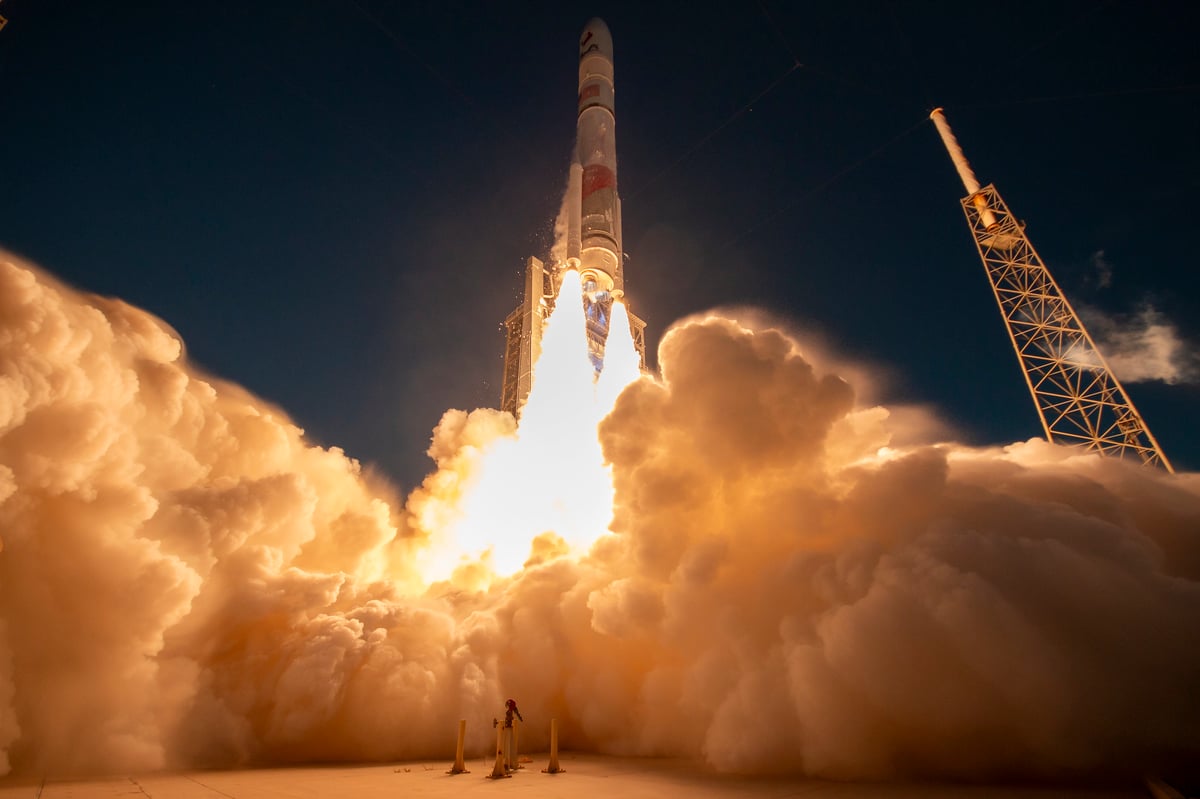
United Launch Alliance, the space launch joint venture between Boeing and Lockheed Martin, is confronting mounting technical challenges with its newly operational Vulcan Centaur rocket. The vehicle has experienced two anomalies across its first four operational flights, both involving malfunctions in solid rocket booster nozzles—a critical component for mission success. These incidents raise questions about the vehicle's reliability at a pivotal moment for the program's commercial viability.
The technical setbacks arrive as ULA navigates significant leadership uncertainty. The company's chief executive recently departed to join Blue Origin, creating an organizational transition during a period requiring sustained focus on vehicle performance and customer confidence. The space launch sector faces intensifying competitive pressure, particularly with SpaceX's anticipated initial public offering signaling market momentum toward established players with proven flight records.
For Boeing and Lockheed Martin shareholders, ULA's current trajectory presents near-term headwinds. Successful resolution of the Vulcan's technical issues and demonstration of reliable operational cadence will be essential to validate the venture's long-term competitive positioning and justify investor confidence in the aerospace sector's space launch ambitions.