
DexCom's Glucose Monitors Poised to Win Regardless of Weight-Loss Drug Champion
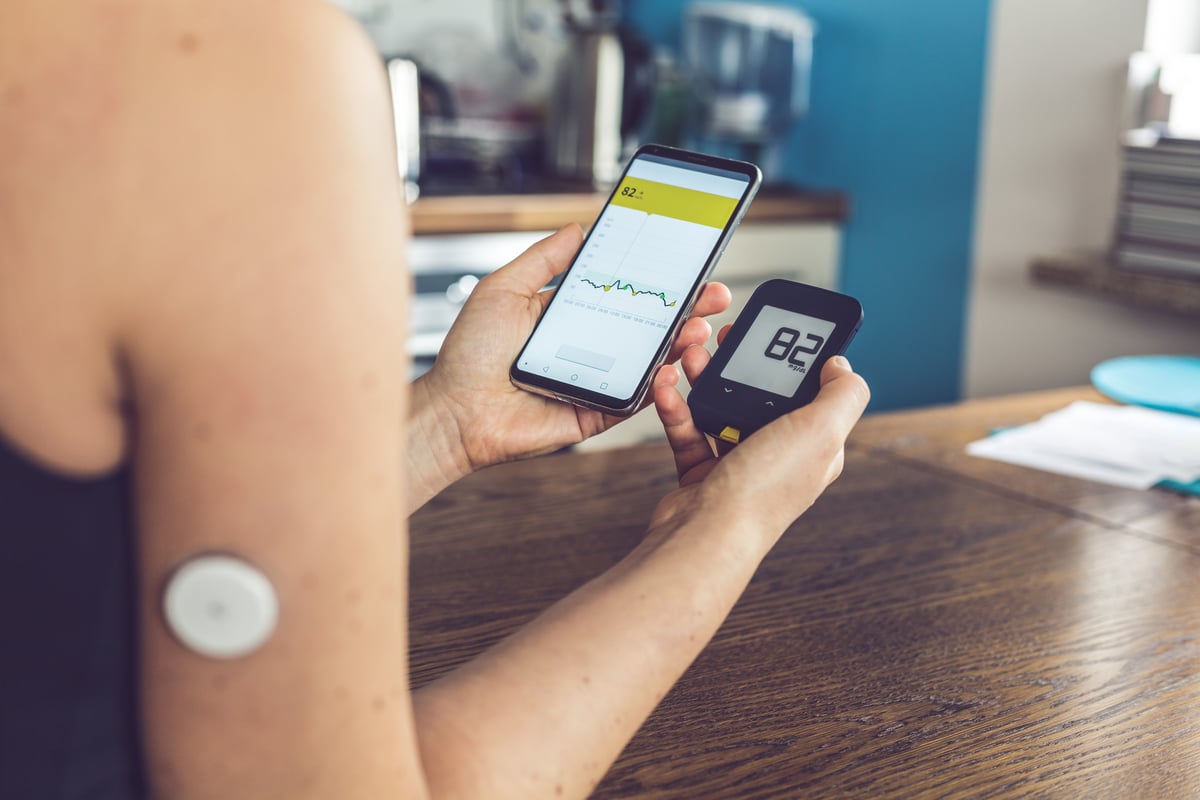
While pharmaceutical investors debate whether Novo Nordisk's Ozempic, Eli Lilly's Mounjaro, or competitors will dominate the explosive weight-loss drug market, DexCom ($DXCM) stands positioned to capitalize on the entire trend regardless of the victor. The continuous glucose monitoring (CGM) device maker has engineered itself into a unique position where growth in the GLP-1 weight-loss drug space directly expands its addressable market and adoption rates, creating a compelling investment thesis independent of pharmaceutical market share battles.
The logic is straightforward but powerful: patients taking GLP-1 agonists—whether for diabetes management or weight loss—increasingly adopt continuous glucose monitors to optimize their treatment outcomes and track metabolic changes. This structural tailwind benefits DexCom across its entire product portfolio, regardless of which pharmaceutical company captures the largest share of the multi-billion-dollar GLP-1 market. Unlike pharmaceutical investors who must correctly predict which drugmaker will dominate, DexCom investors benefit from a rising tide that lifts all boats in the GLP-1 ecosystem.
The Expanding Market Opportunity
The convergence of the GLP-1 weight-loss phenomenon and glucose monitoring adoption represents one of the most significant secular tailwinds in medical devices. The global GLP-1 market has exploded from a niche diabetes treatment into a mainstream weight-loss solution, with penetration expanding far beyond traditional endocrinology practices into primary care, telehealth platforms, and direct-to-consumer channels.
This market expansion directly translates into DexCom's growth drivers:
- Increased CGM adoption rates: Patients using GLP-1 drugs for weight management seek real-time glucose data to monitor metabolic responses
- Expanded addressable market: The obesity treatment market dwarfs the diabetes market in sheer population size
- Multi-device utilization: Some patients use multiple CGM sensors over treatment cycles, increasing revenue per patient
- Ecosystem integration: Integration with diabetes management apps and telehealth platforms creates switching costs
- International expansion: GLP-1 adoption is accelerating globally, proportionally increasing international CGM demand
Unlike betting on individual pharmaceutical winners, DexCom's thesis benefits from total market growth. Whether Novo Nordisk ($NVO), Eli Lilly ($LLY), Viking Therapeutics, Viking Therapeutics, or emerging competitors ultimately capture the largest market share, DexCom gains from every patient who adopts a GLP-1 therapy and subsequently uses continuous glucose monitoring.
Competitive Moat and Market Positioning
Beyond the cyclical benefits of riding the GLP-1 wave, DexCom has constructed formidable competitive advantages that insulate it from pharmaceutical market share volatility. The company's network effects, ecosystem integration, and technological differentiation create meaningful barriers to entry that protect market position.
Key competitive advantages include:
- Network Effects: Data from millions of CGM users creates network benefits that improve algorithmic accuracy and product refinement, widening the gap with competitors like Abbott's FreeStyle Libre
- Ecosystem Integration: Deep integration with major diabetes management platforms, EHR systems, and telehealth providers makes switching difficult for healthcare systems and patients
- Clinical Data: DexCom's extensive real-world evidence database enables faster product iteration and regulatory approvals
- Reimbursement Relationships: Established insurance coverage and prior authorization pathways provide structural advantages over newer entrants
- Sensor Accuracy: Technological superiority in accuracy and wear duration versus competitors reduces patient churn
These moats mean DexCom can maintain pricing power and market share even if the GLP-1 competitive landscape shifts dramatically. The company is not merely a beneficiary of pharmaceutical industry outcomes but an independent value creator with its own defensible market position.
Market Context and Industry Dynamics
The positioning of DexCom as an independent beneficiary of the GLP-1 boom reflects a broader shift in how investors should think about interconnected healthcare markets. Rather than viewing the weight-loss drug space as a zero-sum competition among pharmaceutical manufacturers, sophisticated investors recognize that the GLP-1 ecosystem creates complementary opportunities for medical device, software, and telehealth companies that facilitate and optimize treatment outcomes.
The competitive landscape for GLP-1 drugs remains intensely fragmented:
- Novo Nordisk controls the current market with Ozempic and Wegovy, but faces manufacturing constraints and pricing pressure
- Eli Lilly is rapidly gaining share with Mounjaro and oral formulations under development
- Viking Therapeutics and other emerging competitors are advancing next-generation therapies with potentially superior profiles
- Compounded GLP-1s from telehealth platforms have captured meaningful market share despite regulatory scrutiny
This fragmented, rapidly evolving competitive landscape actually strengthens DexCom's investment case. The more pharmaceutical competitors vie for market share, the larger the total addressable market expands, and the more patients adopt complementary CGM solutions. DexCom doesn't need to predict which company wins; it benefits from total market growth.
Regulatory tailwinds further support this thesis. FDA actions expanding GLP-1 indications, insurance coverage improvements, and international regulatory pathways all expand the total CGM opportunity regardless of which pharmaceutical players capture market share.
Investor Implications and Forward Outlook
For equity investors, DexCom's positioning offers compelling risk-adjusted returns compared to direct exposure to pharmaceutical manufacturers. Rather than attempting to predict which GLP-1 competitor will ultimately dominate—a notoriously difficult prognostication requiring deep pharmaceutical industry expertise—investors gain exposure to the entire GLP-1 market's growth through DexCom's CGM platform.
Key implications for investors:
- Diversified exposure: Benefits from multiple GLP-1 winners rather than betting on a single pharmaceutical winner
- Secular growth driver: CGM adoption among GLP-1 users represents a multi-year, durable growth tailwind
- Operating leverage: As adoption scales, DexCom's manufacturing and distribution infrastructure should drive margin expansion
- Strategic optionality: Potential partnerships, acquisitions, or platform expansions provide additional upside catalysts
- Lower pharmaceutical risk: Avoids binary outcomes common in pharmaceutical product development and competition
The investment thesis also captures international expansion opportunities. GLP-1 adoption is accelerating globally, with markets including Europe, Asia-Pacific, and emerging markets representing significant future CGM growth opportunities.
Conclusion
DexCom represents a rare investment opportunity: exposure to one of healthcare's fastest-growing markets through a company with durable competitive advantages and multiple secular growth drivers. While pharmaceutical investors debate which GLP-1 competitor will emerge victorious, DexCom investors benefit from the entire market's expansion. This structural positioning—winning regardless of which weight-loss drug manufacturer dominates—provides a compelling alternative to the high-risk, binary nature of pharmaceutical market share predictions. As the GLP-1 market continues its explosive expansion, DexCom's continuous glucose monitoring platform is positioned to become increasingly essential to treatment optimization, driving sustainable long-term value creation independent of pharmaceutical market dynamics.