
Oil Infrastructure Damage Could Keep Prices Elevated Long After Middle East Conflict Ends
While markets anticipate a sharp decline in crude oil prices once the Iran war concludes and the Strait of Hormuz reopens for shipping, extensive damage to Middle Eastern oil infrastructure tells a different story. Analysts estimate that reconstruction efforts will require $34–58 billion and stretch across many months, effectively creating a prolonged period of elevated energy prices even after hostilities cease. This extended recovery timeline suggests oil could remain anchored between $75–95 per barrel for months following the conflict's end, fundamentally reshaping energy market dynamics and creating potential buying opportunities for investors in the beaten-down energy sector.
The Scale of Infrastructure Damage
The physical devastation to oil production and export facilities across the Middle East represents one of the most significant supply-side challenges the energy market faces. The estimated reconstruction costs of $34–58 billion underscore the severity of the damage:
- Production facilities: Refineries, pumping stations, and extraction infrastructure require extensive repairs
- Export terminals: Port facilities and loading terminals along the Persian Gulf have sustained material damage
- Pipeline networks: Transmission infrastructure connecting production sites to export points has been compromised
- Logistics infrastructure: Storage facilities and transportation systems need substantial rehabilitation
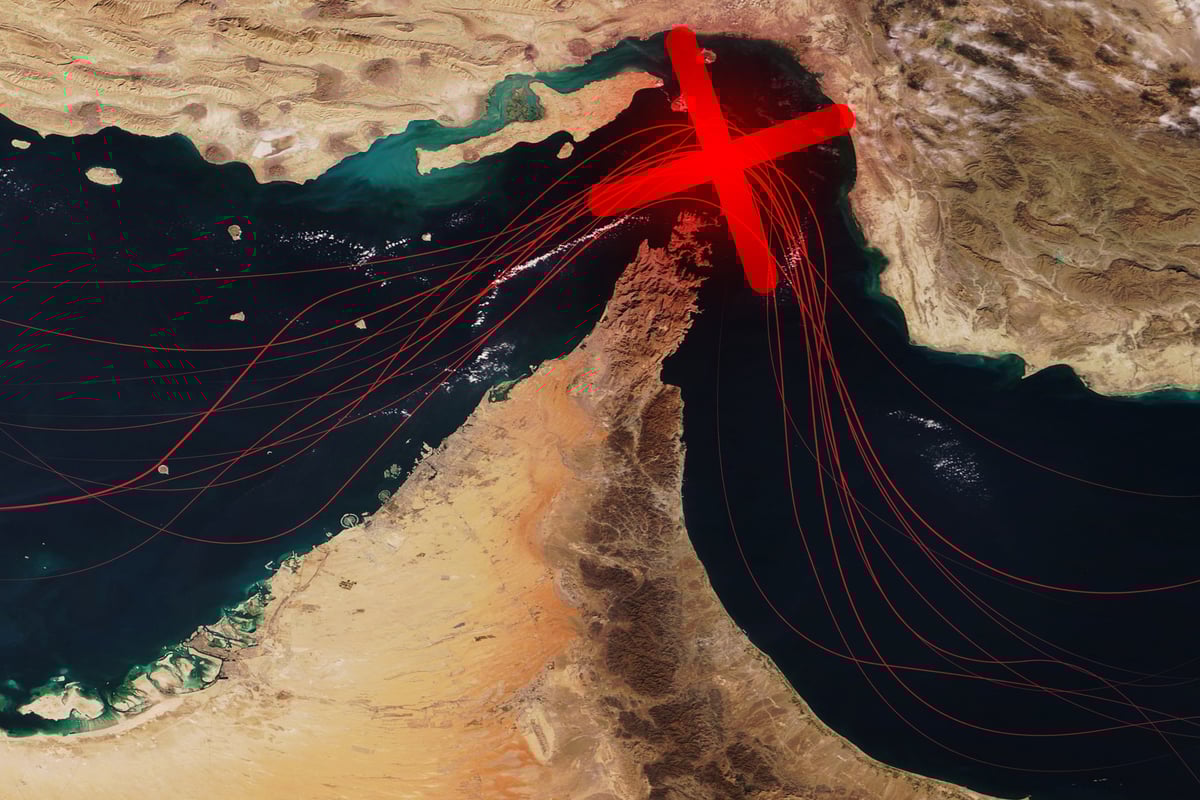
The Strait of Hormuz, through which approximately one-third of global seaborne crude oil passes daily, faces extended clearance and security restoration efforts. Even after the immediate conflict ends, the physical process of repairing damaged facilities will be measured in months rather than weeks. This is not a scenario where a ceasefire immediately opens the spigots to full production capacity.
Industry experts point to historical precedent: previous conflicts in the region have taken 6–18 months to restore oil infrastructure to prewar production levels, depending on the severity of damage. The current situation appears to fit the more severe end of that spectrum, suggesting a grinding, months-long recovery period that will persistently constrain global oil supply even as geopolitical tensions ease.
Market Context: Why Oil Markets Are Mispricing the Recovery
Current market positioning appears to assume an immediate, cliff-like drop in oil prices upon conflict resolution. This assumption underestimates both the physical constraints of infrastructure reconstruction and the time required for supply chains to normalize. Several factors amplify this dynamic:
Global Supply Vulnerability: The energy market already operates with limited spare capacity. Production disruptions in the Middle East cannot be quickly offset by increased output from other regions. OPEC members have already deployed much of their spare capacity, while non-OPEC producers operate at or near full capacity.
Strategic Petroleum Reserve Dynamics: Many developed nations have been drawing down strategic reserves to manage prices, limiting the ability of governments to deploy additional supply cushions during the reconstruction period.
Refinery Constraints: Global refining capacity is already stretched. Damage to Middle Eastern refineries removes processing infrastructure from the market at a time when global refining capacity margins are thin, creating cascading effects throughout petroleum product markets.
Demand Resilience: Global energy demand, particularly from emerging markets and industrial economies, remains robust despite higher prices. This persistent demand pressure prevents oil prices from collapsing even as supply gradually recovers.
The traditional "war premium" in oil prices—the temporary surge driven by geopolitical uncertainty—will gradually transform into a "reconstruction premium" based on genuine supply constraints. This structural underpinning could support prices well above historical peacetime levels.
Investor Implications: Energy Sector Revaluation Opportunity
For equity investors, the infrastructure damage scenario presents a compelling investment thesis that markets may not yet be pricing in effectively.
Energy Sector Valuations: Major integrated oil companies and independent producers have retreated to prewar valuation levels despite the backdrop of an extended high-price environment. Energy sector equities have historically underperformed during periods of elevated oil prices when earnings leverage remains unrecognized by the market.
Earnings Visibility: With oil likely to trade in the $75–95 per barrel range for many months post-conflict, energy companies possess exceptional visibility into earnings and cash flow generation. This earnings visibility typically commands a premium valuation multiple that currently may not be reflected in stock prices.
Capital Return Potential: Higher oil prices drive substantial free cash flow generation at major energy companies, creating capacity for:
- Increased dividend payments
- Share buyback programs
- Debt reduction
- Strategic acquisitions
Sector Rotation Dynamics: As investors begin recognizing the extended duration of elevated energy prices, we may observe a meaningful rotation of capital from growth-oriented sectors into energy equities, creating both price appreciation and income generation opportunities.
Refinery and Midstream Assets: Companies specializing in oil refining, transportation, and storage stand to benefit from extended supply disruption premiums and increased volumes during the reconstruction period.
The critical variable for investors is timing: early recognition of the reconstruction timeline advantage versus delayed market acceptance that leads to rapid repricing. Energy equities trading at prewar valuations with visibility to sustained elevated commodity prices represent an asymmetric opportunity for patient investors with a 6–12 month time horizon.
Forward-Looking Perspective
The conventional market narrative—conflict ends, oil prices crash, energy stocks decline—oversimplifies a more complex physical reality. The $34–58 billion reconstruction requirement and multi-month recovery timeline create structural support for $75–95 per barrel pricing that extends well beyond the conflict's conclusion. This reality should reshape how investors approach the energy sector, transforming the post-conflict period from a headwind into a catalyst for energy sector outperformance. Those positioning for this outcome before consensus recognition occurs may capture significant risk-adjusted returns from a historically undervalued sector facing months of structural supply constraints.