
Nasdaq Could Surge to 30,000 by 2027 on AI Boom, Analysts Say
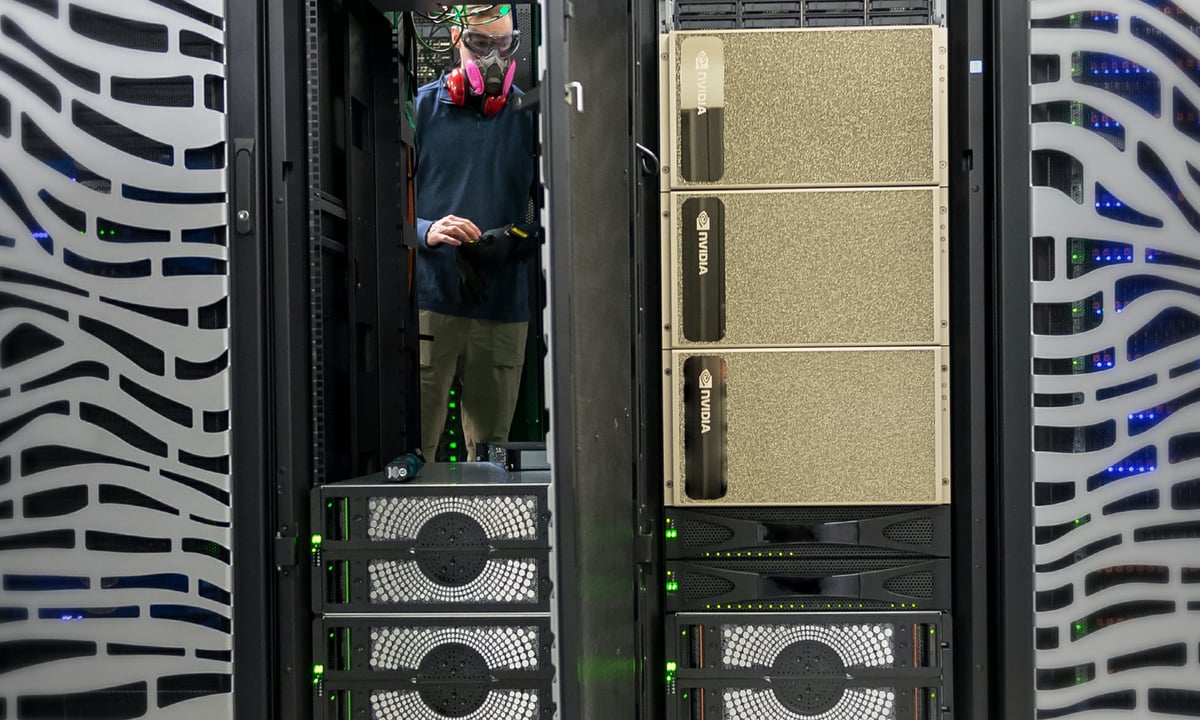
Technology stocks appear poised for substantial gains over the next three years, with market analysts predicting the Nasdaq Composite could reach 30,000 by 2027, driven primarily by accelerating artificial intelligence adoption and the resulting earnings expansion across the sector. This optimistic outlook hinges on continued investments in AI infrastructure, semiconductor manufacturing capacity, and the proliferation of AI-powered applications across enterprise and consumer markets. Among the most compelling opportunities within this thesis are $NVDA (Nvidia) and $TSM (Taiwan Semiconductor Manufacturing Company), two semiconductor giants positioned at the epicenter of the AI infrastructure buildout.
Semiconductor Dominance in the AI Era
The path to a 30,000 Nasdaq rests substantially on the shoulders of semiconductor companies, which supply the chips powering artificial intelligence systems. Nvidia, the dominant designer of graphics processing units (GPUs) essential for AI computing, and Taiwan Semiconductor Manufacturing, the world's largest contract chipmaker, have emerged as the primary beneficiaries of enterprise and cloud provider spending on AI infrastructure.
Both companies demonstrate the kind of secular growth tailwinds that can drive multi-year market rallies:
- Nvidia has established overwhelming market dominance in AI accelerator chips, with its H100 and newer generations commanding premium pricing
- TSMC manufactures cutting-edge chips for a diversified customer base, including Nvidia, Apple, AMD, and numerous AI infrastructure companies
- Combined, these firms represent critical chokepoints in the AI supply chain, affording them significant pricing power and margin expansion potential
- Industry forecasts anticipate continued substantial earnings growth over the next two years for both semiconductor leaders
The semiconductor sector's capital intensity creates high barriers to entry, meaning Nvidia and TSMC benefit from structural advantages that should persist throughout the investment horizon. TSMC's advanced chip fabrication process technology—particularly its cutting-edge nanometer nodes—remains unmatched by competitors, while Nvidia's software ecosystem and architectural advantages in AI workloads create switching costs for customers.
Broader AI Infrastructure Investment Cycle
The analyst case for a 30,000 Nasdaq rests on the assumption that the AI infrastructure investment cycle will sustain momentum through 2027. This cycle extends far beyond chip manufacturers, encompassing data center operators, networking equipment providers, software developers, and cloud service providers. Major technology companies including Microsoft ($MSFT), Google ($GOOGL), Amazon ($AMZN), and others have committed tens of billions of dollars to AI infrastructure buildout, signaling conviction in the technology's transformative potential.
Critical to this narrative are several interconnected trends:
- Enterprise AI adoption remains in early innings, with most organizations still in proof-of-concept and pilot deployment phases
- Generative AI applications continue expanding beyond initial large language models into specialized vertical applications
- Semiconductor manufacturing capacity faces ongoing constraints, supporting elevated pricing and margins
- International geopolitical factors and U.S.-China technology competition are driving investments in domestic and allied semiconductor capacity
The durability of elevated valuations in AI-related stocks depends partly on whether earnings growth materializes at the rates implied by current expectations. Should AI adoption and monetization exceed current forecasts, upside to the 30,000 target becomes achievable; conversely, disappointing AI deployment or monetization rates could constrain gains.
Market Context and Competitive Dynamics
The technology sector's exceptional recent performance raises legitimate questions about valuation sustainability. The Nasdaq's advance toward 30,000—representing roughly a 50% gain from current levels—would require consistent double-digit earnings growth, multiple expansion, or both. Semiconductor stocks, in particular, have benefited from multiple expansion as investors repriced growth expectations upward.
Nvidia and TSMC maintain competitive advantages that justify premium valuations relative to historical standards, yet both face emerging competitive pressures. Alternative AI chip architectures from companies like Google (with its TPU chips) and startups developing specialized AI processors could fragment market share over time. TSMC faces competitive threats from subsidized foundries in China and U.S.-based capacity expansions by Samsung and others, though the company's technology leadership provides durable advantages.
The regulatory environment also bears monitoring. U.S. export controls on advanced semiconductors to China, semiconductor manufacturing incentives through legislation like the CHIPS Act, and potential antitrust scrutiny of big tech's AI investments could influence outcomes. Supply chain resilience discussions may accelerate adoption of geographically diversified semiconductor sourcing strategies, potentially benefiting alternative manufacturers.
Investor Implications and Risk Considerations
For equity investors, the 30,000 Nasdaq thesis presents both compelling opportunities and meaningful risks. The case for substantial capital gains depends on AI adoption trajectories matching elevated market expectations—a historically ambitious standard. Nvidia and TSMC offer the most direct exposure to AI infrastructure tailwinds, with pricing power and market position advantages that should support substantial earnings growth.
Key metrics to monitor include:
- Data center revenue growth rates at major cloud providers and semiconductor manufacturers
- AI chip order books and backlog visibility at Nvidia and TSMC
- Gross margin trends for semiconductor suppliers, which reflect pricing power and competitive dynamics
- Capital expenditure announcements from enterprise customers, signaling conviction in AI infrastructure spending
- Earnings growth acceleration relative to historical growth rates and consensus expectations
Investors should recognize that concentrated exposure to a handful of semiconductor companies amplifies both upside potential and downside risk. Diversification across the broader AI ecosystem—including software, cloud infrastructure, and specialized applications—could provide more balanced risk-adjusted returns while maintaining exposure to the secular AI growth narrative.
Looking Ahead: The Path to 30,000
The path toward a 30,000 Nasdaq appears credible but contingent on sustained AI infrastructure investment and successful technology monetization by both semiconductor manufacturers and their customers. Nvidia and TSMC represent the most essential components of this infrastructure, justified by their market dominance, pricing power, and structural competitive advantages.
Successful investors will likely combine conviction in the AI secular trend with disciplined risk management, recognizing that multiple expansion and earnings growth must both materialize for ambitious price targets to be achieved. The next two to three years should provide clarity on whether AI's transformative potential justifies the market's elevated expectations, making this an inflection point for technology sector investors.