
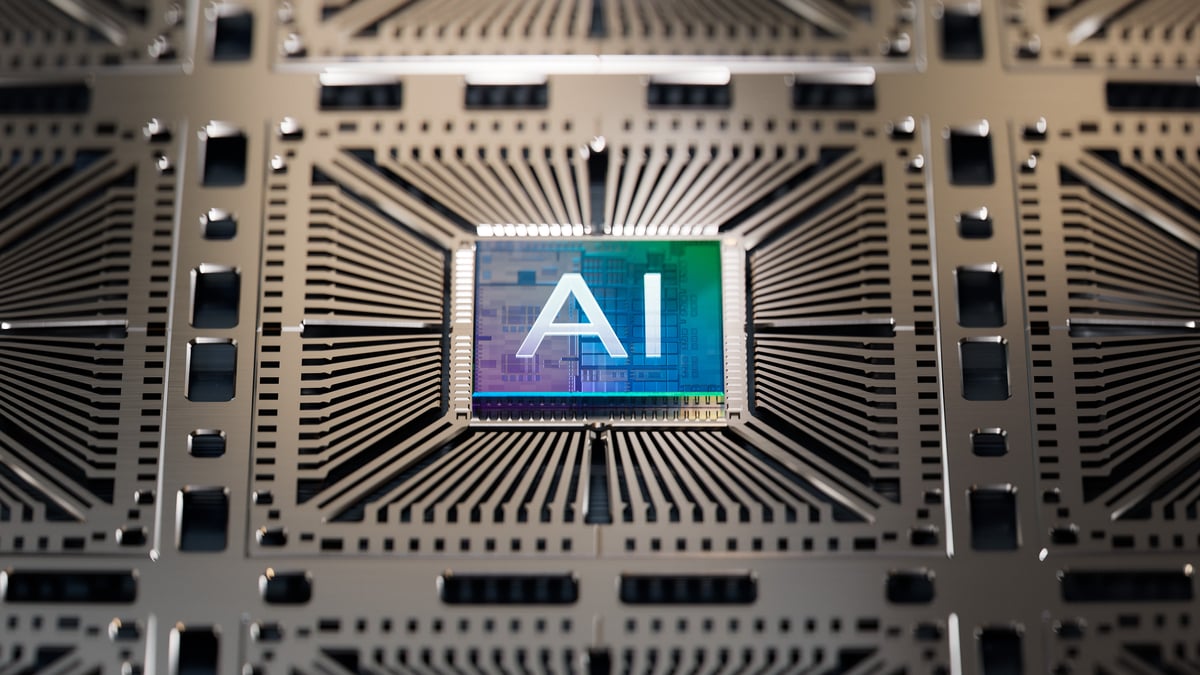
The Semiconductor Giant Riding the AI Wave
Taiwan Semiconductor Manufacturing Company (TSMC), the world's most advanced chipmaker, has delivered a 26% year-to-date gain and shows no signs of slowing as artificial intelligence demand continues to reshape global technology markets. The company sits at the epicenter of the AI boom, functioning as the exclusive or primary manufacturing partner for Nvidia, AMD, and Broadcom—the three dominant semiconductor designers powering the generative AI revolution. With accelerating financial metrics and fortress-like balance sheet strength, TSMC ($TSM) has positioned itself as perhaps the essential infrastructure play of the current market cycle.
The Taiwanese manufacturer's financial performance in the first quarter reflected the intensity of demand for AI-capable semiconductors. TSMC reported 35.1% year-over-year revenue growth, a dramatic acceleration that demonstrates the company's ability to capture the outsized demand created by the AI buildout. Even more impressive, the company's net income surged 58.3% year-over-year, indicating that the company is not merely growing revenue, but expanding profitability at an accelerated pace. This earnings leverage suggests TSMC possesses significant pricing power and operational efficiency in an environment where chip capacity remains constrained and demand exceeds supply.
Financial Strength and Competitive Moat
Beyond the eye-catching growth rates, TSMC's balance sheet reveals a company that has built a fortress capable of weathering any market disruption while maintaining its technological edge. The company maintains $94.7 billion in cash, a war chest that provides extraordinary financial flexibility. With a current ratio of 2.49—well above the healthy 1.5 threshold—TSMC demonstrates exceptional short-term liquidity and the ability to fund massive capital expenditure programs without external financing.
This balance sheet strength matters profoundly in the semiconductor industry, where maintaining technological leadership requires continuous, massive investment in fabrication plants and equipment. While competitors like Samsung and Intel ($INTC) have struggled with profitability and capital allocation, TSMC's cash generation and fortress balance sheet position the company to:
- Invest aggressively in cutting-edge manufacturing technology, particularly advanced nodes required for AI chips
- Meet capacity constraints by building new fabs as demand requires, without financial stress
- Weather industry cycles with confidence, given the pandemic proved semiconductor cycles remain volatile
- Negotiate favorable terms with customers from a position of strength, given their dependency on TSMC capacity
TSMC's role as the manufacturing partner for Nvidia ($NVDA), AMD ($AMD), and Broadcom ($AVGO) cannot be overstated. These three companies collectively dominate the markets for AI accelerators, data center processors, and networking infrastructure—the exact components driving the current technology spending boom. By manufacturing their chips, TSMC captures value across the AI value chain without the design risk or customer concentration risk these fabless designers face.
Market Context and Industry Implications
The semiconductor industry entered 2024 with TSMC facing unprecedented demand dynamics. Following the cryptocurrency crash and weakening consumer electronics demand of 2022-2023, the AI boom arrived like a tsunami, obliterating prior capacity assumptions. Major cloud providers—Amazon Web Services, Microsoft Azure, and Google Cloud—are locked in a capital spending competition to secure AI infrastructure, driving relentless demand for the advanced chips TSMC manufactures.
The competitive landscape reveals TSMC's stranglehold on advanced manufacturing. While Samsung manufactures some AI chips and Intel has aspirations to become a contract manufacturer through its Intel Foundry Services division, neither currently operates at the technological frontier where TSMC leads. This technological moat translates into:
- Higher margins than peers, given the premium pricing for leading-edge manufacturing
- Customer lock-in, as switching fabs involves enormous risk for chip designers
- Growing market share in the highest-value semiconductor segments
Regulatory and geopolitical factors also support TSMC's strategic importance. Taiwan's island location, the company's critical role in global AI development, and U.S. efforts to strengthen semiconductor independence have elevated TSMC to strategic asset status. The company has announced major U.S. fab investments, positioning itself as essential to American technology policy—a status that provides additional moat against disruption.
What This Means for Investors
For equity investors, TSMC's combination of explosive near-term growth, balance sheet fortress, and structural advantages presents a rare alignment of factors. The 26% year-to-date gain reflects market recognition of the AI inflection, but the sustainability of growth remains the critical question.
Several factors suggest the growth cycle has legs:
- AI infrastructure spending is in early innings, with major cloud providers committing to multiyear, multibillion-dollar programs
- AI chip demand shows no signs of moderating, with capacity constraints lasting at least through 2024
- TSMC's technology roadmap** remains ahead of competitors, supporting continued design wins
- Geopolitical tailwinds favor strengthening TSMC's position as Western governments de-risk supply chains
However, investors should monitor several risks: semiconductor cycles remain inherent to the industry; customer concentration on Nvidia, AMD, and Broadcom creates revenue risk; and geopolitical tensions regarding Taiwan could create volatility despite TSMC's strategic importance.
The valuation question remains open. A 26% year-to-date gain reflects market enthusiasm, but whether the stock fairly prices a multiyear AI infrastructure buildout requires investors to assess the durability and magnitude of AI spending. Historical semiconductor cycles suggest that periods of intense demand often create excess capacity, though the current demand appears qualitatively different from prior cycles given AI's structural importance to technology infrastructure.
TSMC has earned its position as perhaps the purest play on AI infrastructure and semiconductor leadership. The company's combination of explosive growth, fortress balance sheet strength, and structural competitive advantages creates a compelling investment thesis for those believing the AI buildout will sustain its current trajectory.