
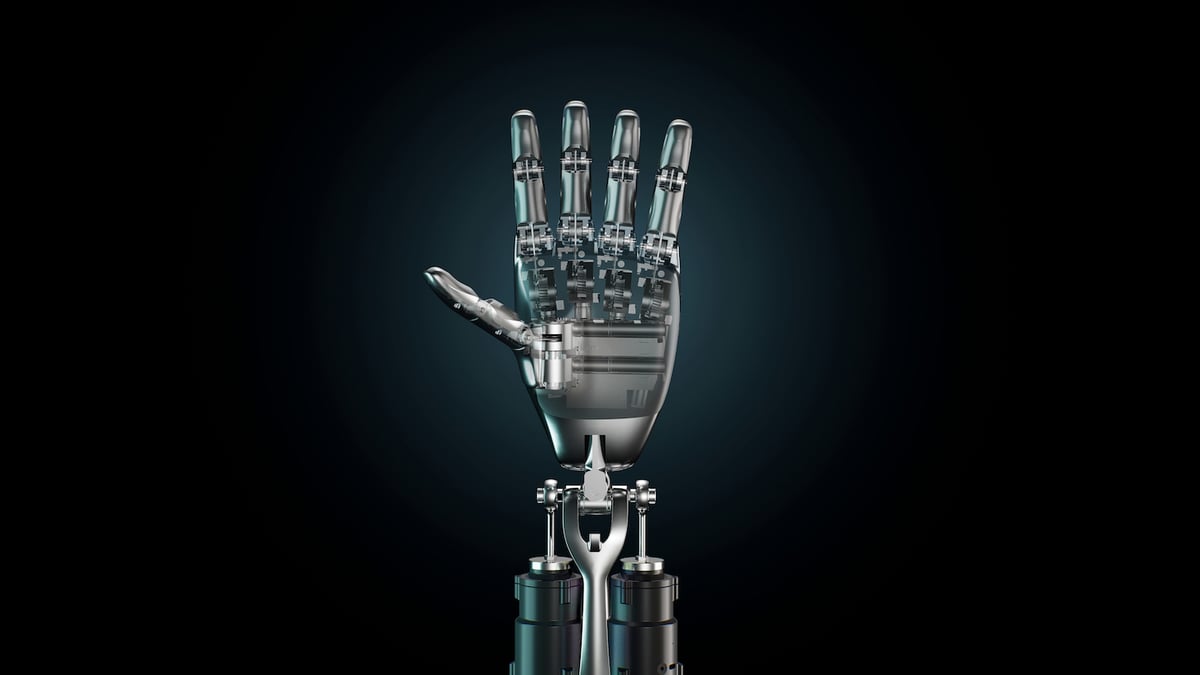
Tesla is undertaking a significant strategic shift toward humanoid robotics development, allocating increased capital resources to its Optimus platform as electric vehicle sales momentum decelerates. The company plans to double capital expenditures to $20 billion and convert existing EV manufacturing facilities to support robot production, signaling a fundamental reorientation of its business priorities.
The robotics sector represents a substantial long-term market opportunity, with industry projections valuing the sector at $3 trillion by 2050. Tesla's entry into this space positions the company to compete directly with established robotics manufacturers and emerging competitors, though successful commercialization and market penetration remain uncertain.
Investors should note that Tesla's transition occurs amid headwinds in its core EV business, including declining sales and compressed margins. The company's current valuation metrics—trading at 386 times trailing earnings—reflect elevated growth expectations that depend significantly on the success of its robotics initiative and ability to execute a multi-year product development timeline.