
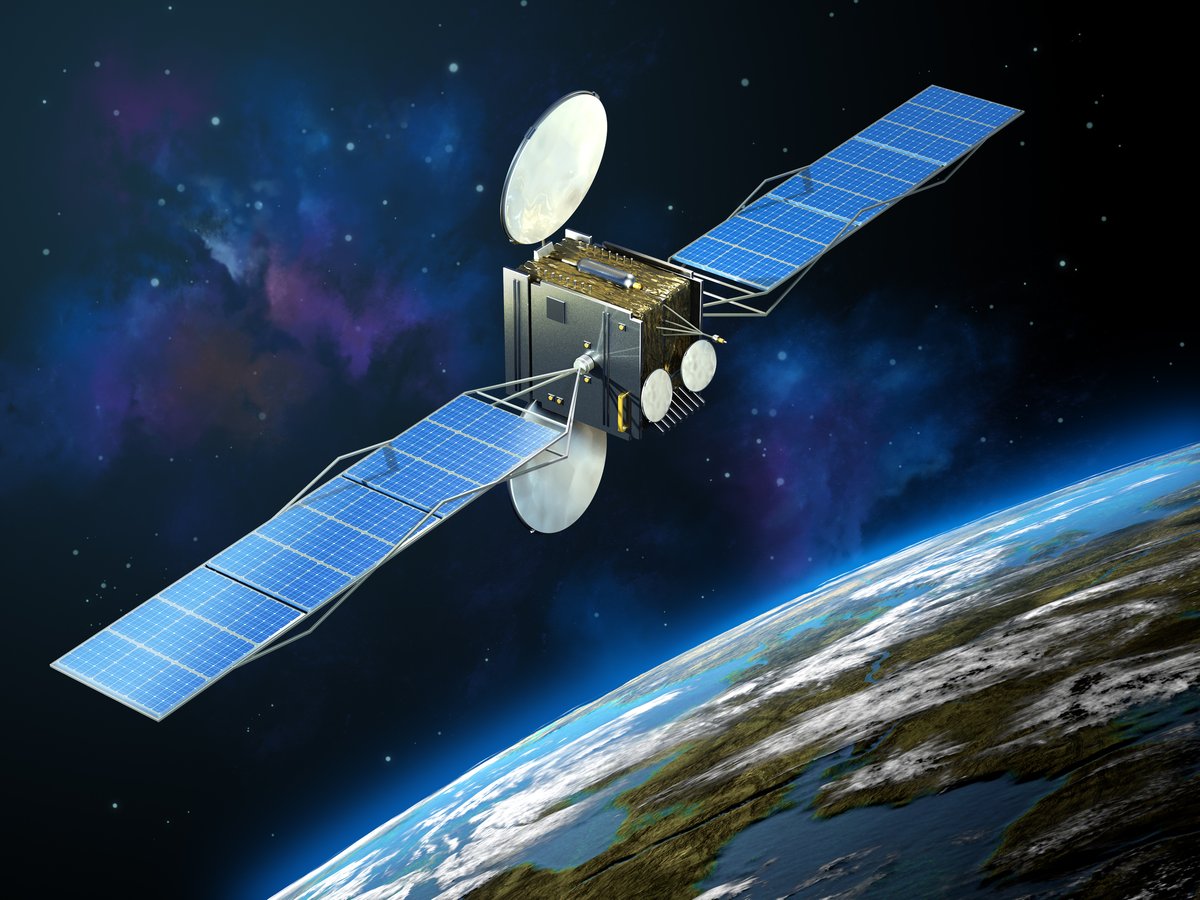
SpaceX IPO Looms: How Average Investors Can Gain Exposure Now
SpaceX is preparing for a landmark initial public offering this summer with an anticipated valuation of $1.75 trillion, marking one of the most significant debuts in aerospace and technology history. While direct pre-IPO investment in the Elon Musk-led company remains out of reach for most retail investors, a growing number of publicly traded firms and specialized funds now offer indirect exposure to the private space venture, creating alternative pathways for those seeking early positioning before the company's eventual market debut.
Key Details: Understanding Pre-IPO Access Routes
The challenge for average investors is straightforward: SpaceX operates as a private company, and its shares are not available on public exchanges. However, several investment vehicles have secured stakes in the aerospace manufacturer, providing indirect access to its growth trajectory.
Alphabet Inc. ($GOOGLY) stands out as the most prominent publicly traded holder, maintaining a 6.11% stake in SpaceX. This investment positions the tech giant directly alongside the space company's valuation expansion and offers investors a meaningful connection to SpaceX's fortunes through a simple equity purchase.
EchoStar Corporation ($SATS) has taken a different route, gaining SpaceX shares through a strategic spectrum deal rather than traditional equity investment. This arrangement provides another publicly accessible channel, though the mechanics differ from direct shareholding.
For those seeking more focused exposure, specialized venture capital funds have become increasingly important:
- Baron Partners Fund includes SpaceX in its portfolio
- Ark Venture Fund maintains exposure through its technology-focused mandate
- Destiny Tech100 ($DXYZ), a publicly traded fund, offers targeted venture capital exposure with SpaceX holdings
These funds allow investors to gain diversified exposure to SpaceX alongside other high-growth private companies, reducing single-company risk while maintaining meaningful participation in the space sector's upside.
Market Context: The SpaceX Phenomenon and Industry Backdrop
The anticipated $1.75 trillion valuation reflects SpaceX's dominant position in the commercial space industry. Since its founding in 2002, the company has fundamentally reshaped launch economics through its reusable Falcon 9 rocket technology and now operates as the primary launch provider for both commercial and government payloads.
The broader aerospace and defense sector has experienced sustained investor interest, driven by multiple secular tailwinds:
- Commercial space expansion: Growing satellite internet demand and constellation deployment
- Government spending: Increased NASA partnerships and military space contracts
- Launch capacity constraints: Limited alternatives to SpaceX's proven reliability and cost efficiency
- Venture capital momentum: Record funding flowing into space technology companies
SpaceX's market leadership creates a multiplier effect for its eventual IPO. Unlike many speculative pre-IPO companies, SpaceX generates substantial revenue from commercial customers including Amazon ($AMZN), Apple ($AAPL), and numerous international operators. This revenue-generating status distinguishes it from typical venture-stage companies and justifies its extraordinary valuation.
The competitive landscape remains thin. Rocket Lab ($RKLB) and Axiom Space represent alternative plays in specific niches, but neither commands SpaceX's launch volume, reusability advantages, or customer breadth. This structural advantage underscores why investor interest in gaining pre-IPO exposure has intensified considerably.
Investor Implications: Strategic Positioning Before the IPO
For investors contemplating their approach to SpaceX's upcoming debut, several considerations merit careful evaluation:
The case for waiting until the IPO: Financial analysts broadly recommend that average investors delay direct purchase until the company trades publicly. IPO pricing often reflects significant premiums built in by underwriters, and immediate secondary trading can be volatile as early insiders rebalance positions. Additionally, transparent financial statements and standardized SEC filings become available only after public listing, providing clearer visibility into operational performance.
The case for indirect exposure now: Investors with higher conviction in SpaceX's long-term value may find merit in building positions through existing vehicles. Alphabet offers the most direct and beneficial option—an investment that provides SpaceX exposure while simultaneously gaining exposure to Google's cloud computing, advertising, and artificial intelligence businesses. This diversification cushions against company-specific risk while maintaining meaningful SpaceX participation.
Specialized venture funds like Destiny Tech100 appeal to investors seeking concentrated exposure without waiting for the IPO. However, these funds typically carry higher expense ratios and concentrate risk in the private equity space rather than providing the diversification of established technology companies.
Valuation considerations: The anticipated $1.75 trillion valuation prices in substantial future growth, particularly from Starshield (military variants) and Starlink (satellite internet). Investors should assess whether IPO-day pricing might differ materially and whether personal conviction justifies entry before or after public trading commences.
Tax implications: Pre-IPO exposure through public company holdings versus direct IPO participation involves different tax treatment. Investors should consult tax advisors regarding their specific circumstances, particularly regarding long-term capital gains timing.
Forward-Looking Perspective
SpaceX's anticipated summer IPO represents a watershed moment for the commercial space industry, validating years of investment and technological development. The company's position as the world's leading commercial launch provider and its emerging Starlink satellite internet division create a compelling long-term investment narrative.
For retail investors, the path forward depends on personal risk tolerance, conviction levels, and time horizon. Those seeking maximum optionality should monitor Alphabet's position and broader venture fund developments while preparing to evaluate SpaceX's IPO prospectus. The company's eventual arrival on public markets will democratize access to what has long been an elite venture capital privilege, fundamentally reshaping how investors can participate in humanity's expanding space economy.