
Can Archer Aviation Reach Canaccord's Bullish $13 Price Target?
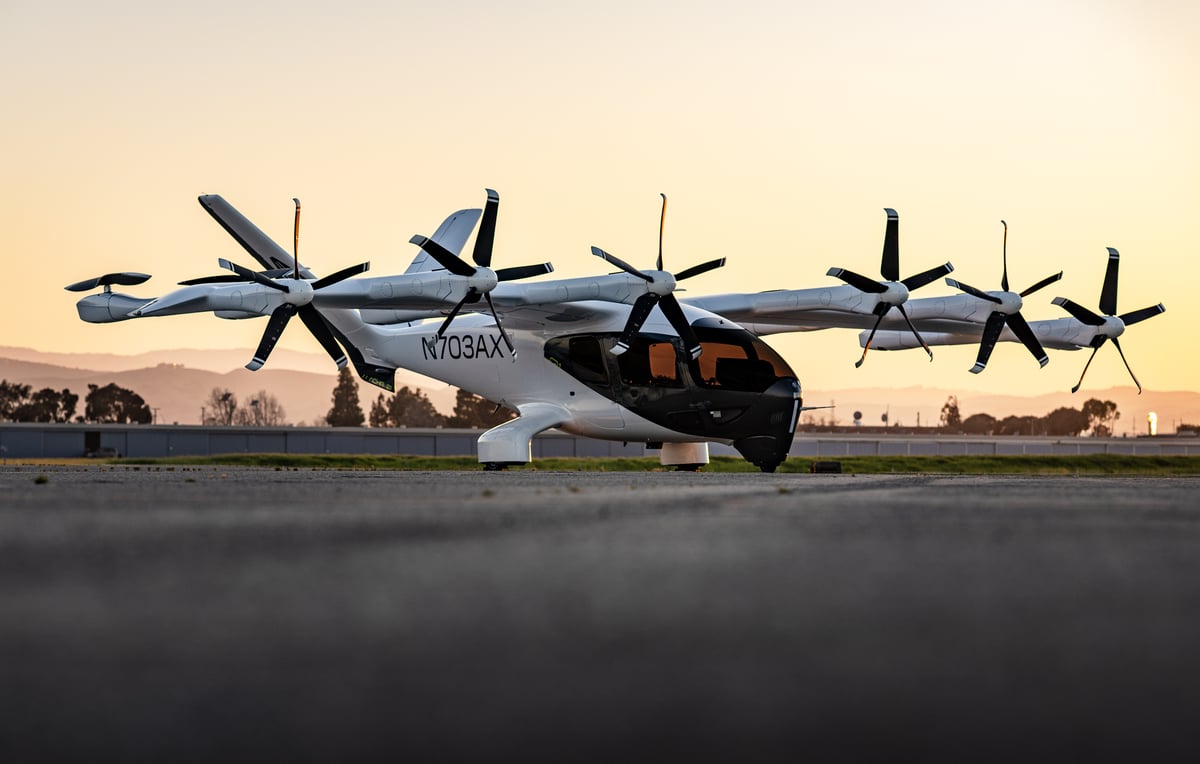
Archer Aviation ($ACHR) faces a formidable climb to vindicate bullish analyst projections, with the urban air mobility startup's stock currently trading at $5.80—requiring a 124% surge to match Canaccord Genuity's ambitious $13 price target. The eVTOL manufacturer stands at an inflection point, positioning itself for commercial operations in the United Arab Emirates this year, yet fundamental headwinds including mounting losses, persistent shareholder dilution, and an unproven revenue model create substantial obstacles to achieving such valuations near-term.
The story of Archer Aviation encapsulates both the promise and peril of the emerging electric vertical takeoff and landing sector. While the company has secured crucial partnerships and regulatory milestones, the path from pre-revenue startup to profitable operator remains fraught with execution risk. Understanding whether the stock can bridge the gap between current levels and analyst targets requires examining the underlying business fundamentals, competitive dynamics, and market conditions shaping the nascent eVTOL industry.
The Case for and Against $13
Archer's Path Forward
The company's planned UAE commercial launch represents a watershed moment for the eVTOL sector broadly. Successfully deploying aircraft in commercial service would validate years of development work and position Archer ahead of competitors in converting technology into revenue. The regulatory approval pathway in the UAE, with its supportive aviation framework and capital availability, provides a template for international expansion.
However, the bridge from initial operations to justifying a $13 valuation presents multiple challenges:
- Profitability Timeline: The company currently operates at substantial losses, and the path to positive net income remains undefined
- Shareholder Dilution: Ongoing capital raises through stock offerings pressure existing shareholders and cap near-term appreciation potential
- Revenue Uncertainty: Early commercial operations will likely generate modest passenger volumes and revenue, making near-term profitability implausible
- Capital Requirements: The eVTOL industry is capital-intensive, necessitating additional funding rounds that will further dilute shareholders
Canaccord's $13 target implies confidence in Archer's long-term market position and manufacturing scale potential. Yet achieving such valuations in 2026—just two years away—appears optimistic given current operational status and financial metrics.
Market Context: eVTOL Competition and Industry Headwinds
The Competitive Landscape
Archer Aviation operates in an increasingly crowded eVTOL market where multiple competitors pursue similar commercial objectives. Companies including Joby Aviation, Lilium, Vertical Aerospace, and Eve Air Mobility (a Embraer subsidiary) are pursuing comparable routes to commercialization. This competitive intensity suggests that Archer's success is far from assured and that market share in early operations will likely fragment across multiple operators.
The broader urban air mobility market remains speculative. Passenger demand for high-cost point-to-point eVTOL services remains unvalidated at scale. Early commercial operations in the UAE will provide critical data on pricing elasticity, operational costs, and customer demand—information that could significantly impact valuations across the sector.
Financial Realities
Archer Aviation's fundamental financial position warrants investor scrutiny:
- The company is pre-revenue from commercial operations, relying on investor capital and potential government partnerships for survival
- Manufacturing scale economics have not been demonstrated, leaving unit economics highly uncertain
- The timeline to profitability extends well beyond 2026 based on current operational indicators
- Additional equity dilution appears inevitable as the company develops manufacturing capacity and working capital
Regulatory and Technological Risks
While the UAE represents a supportive regulatory environment, broader adoption depends on certification in major markets including the United States and Europe. Battery technology, noise mitigation, and autonomous flight capabilities remain areas where technological breakthroughs—or setbacks—could materially alter the eVTOL value proposition.
Investor Implications: Risk-Reward Assessment
For investors considering Archer Aviation at current levels, the $13 target represents an aspirational long-term thesis rather than a near-term probability. The company must successfully:
- Launch commercial operations in the UAE without major delays or safety incidents
- Demonstrate positive unit economics or a clear pathway to profitability
- Secure additional capital on reasonable terms (limiting dilution)
- Expand operations internationally to major markets
- Achieve manufacturing scale while maintaining safety and regulatory compliance
Each of these milestones carries execution risk. A single setback—regulatory delays, safety issues, higher-than-expected operating costs, or lower-than-expected demand—could materially impair shareholder value.
Conversely, if Archer successfully demonstrates commercial viability and expands operations to major metropolitan areas, the long-term addressable market for eVTOL services could support substantially higher valuations. The sector's potential is genuine; the question is whether Archer will be among the winners or casualties in this capital-intensive, winner-take-most market.
Near-Term vs. Long-Term Dynamics
Investors should distinguish between intermediate obstacles and strategic potential. While reaching $13 in 2026 appears unlikely, the company's position in a potentially transformative transportation sector creates legitimate long-term optionality. Success requires not just commercialization but profitable scaling—a bar that remains unproven across the eVTOL industry.
Looking Ahead: Catalysts and Inflection Points
The coming months will provide critical information for valuation reassessment. The UAE launch timing, early passenger volume data, unit cost metrics, and additional capital raise terms will collectively determine whether Archer's fundamentals support elevated valuations.
Canaccord's $13 target reflects bullish long-term assumptions about market adoption and operational scale. However, the gap between $5.80 and $13 in just two years demands near-perfect execution in an industry where execution remains unproven. Investors should view this as a high-risk, high-reward opportunity where current pricing reflects substantial skepticism—skepticism that has historically been warranted in capital-intensive technology startups. The ultimate outcome will depend on whether Archer Aviation can convert regulatory approval and commercial partnerships into a sustainable, profitable business model.