
Helium Crisis Threatens AI Chip Giants as Mideast Tensions Disrupt Supply
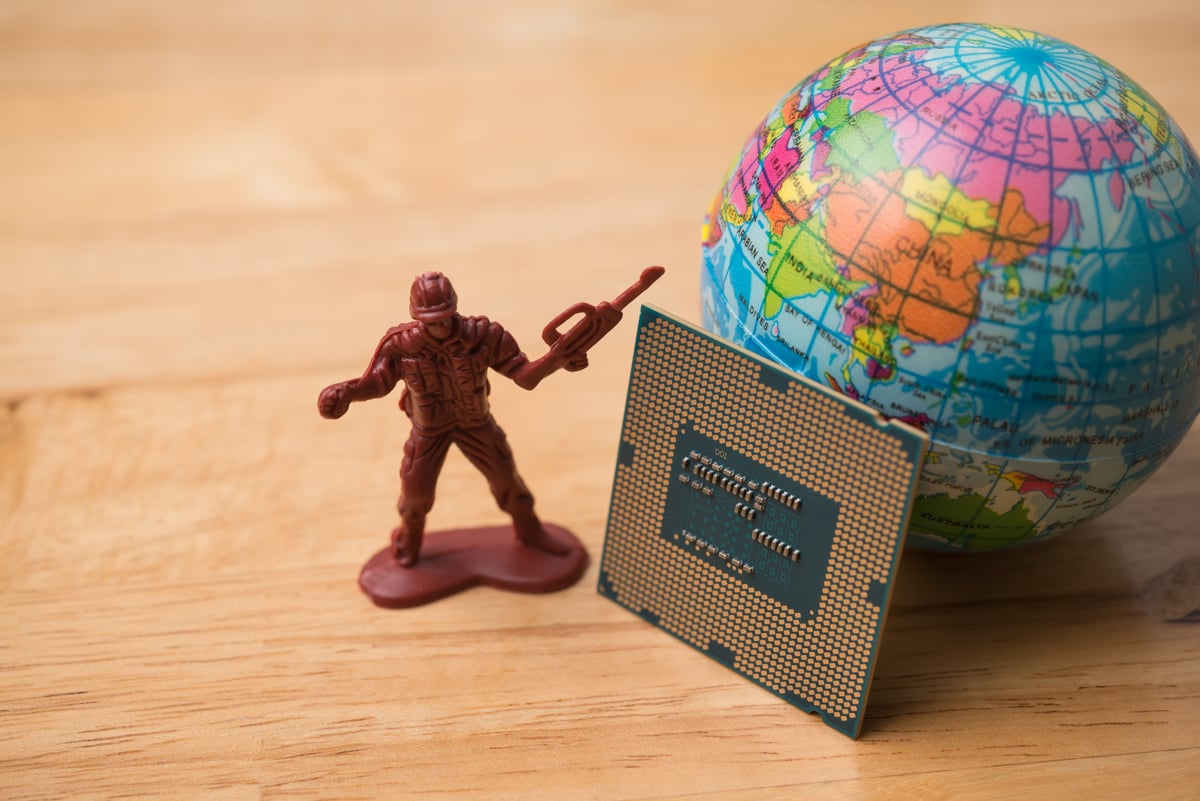
A critical shortage of helium stemming from geopolitical instability in the Middle East has emerged as an unexpected headwind for the world's leading artificial intelligence chip manufacturers. With 30% of global helium production offline due to conflict in the Strait of Hormuz, three major semiconductor players—Taiwan Semiconductor Manufacturing Company (TSMC), Micron Technology, and Nvidia—now face potential production delays and significant supply chain disruptions at a pivotal moment for the AI boom.
The Helium Supply Crisis
Helium is a critical but often overlooked industrial input essential for advanced semiconductor manufacturing. The noble gas serves crucial functions in chip production, including cooling processes during wafer fabrication and maintaining the extreme temperatures required in lithography equipment. The current geopolitical crisis in the Strait of Hormuz—a strategic chokepoint controlling approximately one-third of the world's maritime traded oil—has disrupted helium supply chains with unexpected severity.
Key impacts of the supply disruption include:
- 30% of global helium production offline due to regional conflict
- Extended lead times for helium deliveries to manufacturing facilities worldwide
- Increased procurement costs for semiconductor manufacturers competing for available supplies
- Risk of production slowdowns at foundries and fabrication plants
The timing of this crisis compounds existing pressures on the semiconductor supply chain, which has only recently stabilized following pandemic-era shortages. Helium scarcity directly threatens the manufacturing capacity needed to meet surging demand for AI chips, creating a precarious situation for investors in this high-growth sector.
Market Context and Industry Implications
The semiconductor industry is experiencing unprecedented demand driven by the artificial intelligence revolution. Data centers worldwide are racing to build out infrastructure for large language models, generative AI applications, and machine learning workloads. Nvidia ($NVDA), TSMC ($TSM), and Micron ($MU) sit at the center of this explosive growth, with valuations and stock prices substantially reflecting expectations of continued capacity expansion and revenue growth.
However, the helium shortage represents a supply-side constraint that manufacturers cannot simply overcome through investment or innovation. Unlike semiconductor design or manufacturing capacity, which can be expanded with capital expenditure, helium production capacity exists in limited geographic regions and cannot be rapidly increased in response to demand spikes.
The broader semiconductor ecosystem faces multiple pressure points:
- Foundry capacity: TSMC operates the world's most advanced chip fabrication facilities and cannot maintain production without reliable helium supplies
- Memory manufacturing: Micron's DRAM and NAND flash production depends heavily on helium cooling systems
- Supply chain concentration: Limited alternative suppliers creates vulnerability to regional disruptions
Competitors outside the immediate affected region may gain relative advantages, though the global nature of semiconductor supply chains means few manufacturers can entirely escape the impact. South Korean chipmakers like Samsung and SK Hynix, while not directly mentioned in this analysis, could also face indirect pressure through supply chain pricing effects.
Financial and Investor Implications
For investors holding positions in Nvidia ($NVDA), TSMC ($TSM), and Micron ($MU), this development introduces material near-term risk that may not yet be fully reflected in current valuations. Several scenarios merit consideration:
Production delays could force companies to issue downward guidance or report lower quarterly results if manufacturing output declines. Even temporary slowdowns translate directly to revenue impact given the strong demand environment and current backlog of unfilled chip orders.
Margin compression represents another significant risk. If semiconductor manufacturers must source helium at premium prices to maintain production, gross margins could contract substantially. The AI chip sector has benefited from exceptional pricing power and margin expansion, making any compression particularly impactful to profitability.
Strategic inventory building by manufacturers could drive helium prices higher across the entire supply chain, creating additional cost pressures. Companies may be forced to negotiate long-term helium supply contracts at unfavorable rates to secure future availability.
The recommendation to hold off on new investments in these stocks during the crisis reflects prudent risk management. While the AI sector's long-term growth trajectory remains intact, near-term earnings visibility has deteriorated substantially due to factors outside management control. Investors might consider:
- Waiting for clearer resolution of Mideast tensions
- Monitoring helium prices and supply situation closely
- Watching for company-issued production guidance updates
- Considering entry points after the crisis stabilizes or if stock prices adjust downward
Looking Ahead
The helium supply crisis underscores a broader lesson for investors in the technology sector: even transformative growth narratives like artificial intelligence can face disruption from unexpected supply chain vulnerabilities. The semiconductor industry's dependence on critical materials sourced from geopolitically unstable regions creates latent risk that warranted closer scrutiny before this crisis emerged.
Resolution of the Mideast conflict remains the primary catalyst that could restore helium supplies and remove this headwind from Nvidia ($NVDA), TSMC ($TSM), and Micron ($MU) stock valuations. Until that occurs or alternative supply sources materialize, prudent investors should exercise caution regarding new positions in companies directly dependent on normal helium availability. Monitoring developments in both the conflict and helium supply chain will be essential for making timely investment decisions as the situation evolves.