
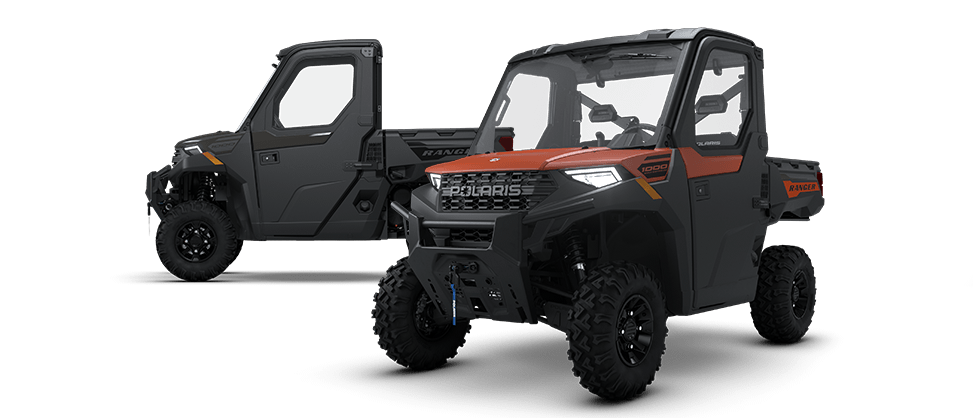
Polaris Pivots to Defense Drones Amid Flat Growth Forecast
Polaris Industries delivered a surprising earnings beat in the first quarter of 2026, demonstrating operational strength through robust revenue growth and margin expansion. Yet the recreational and industrial vehicle manufacturer tempered investor enthusiasm with a sobering full-year outlook: flat sales guidance through 2026 and a reported GAAP loss. The real intrigue lies in a nascent partnership with defense startup Forterra to manufacture autonomous ground vehicles—colloquially known as "Mesa drone trucks"—that could fundamentally reshape the company's growth trajectory and market positioning.
Strong Execution Masks Underlying Growth Challenges
Polaris' first-quarter results showcase the company's ability to efficiently operate its core business despite challenging market dynamics. The firm achieved:
- Strong revenue growth outpacing analyst expectations
- Margin expansion indicating improved operational leverage and cost management
- GAAP loss reflecting one-time charges or restructuring costs typical during strategic transitions
These mixed signals—operational excellence coupled with net losses and stagnant forward guidance—paint a portrait of a company at an inflection point. The flat sales guidance through 2026 suggests management sees limited near-term catalysts within traditional markets for ATVs, snowmobiles, and motorcycles. This conservative outlook likely reflects broader headwinds in recreational vehicle demand, economic uncertainty affecting consumer discretionary spending, and potential inventory normalization across dealer networks.
However, analyst sentiment shifted upward following the earnings announcement, with multiple firms raising price targets. This seemingly contradictory move—higher targets despite flat growth guidance—underscores Wall Street's growing conviction that the Forterra partnership represents genuine transformational potential rather than a peripheral initiative.
The Forterra Factor: From Recreation to Defense Technology
The strategic partnership with Forterra marks Polaris' most ambitious pivot in years. The autonomous ground vehicle program targets the defense and government sectors, representing an entirely different market dynamic from the company's traditional recreational customer base. Rather than selling to individual consumers and outdoor enthusiasts, Polaris would be manufacturing sophisticated autonomous platforms for military and federal applications—a market characterized by:
- Long-term contracts providing revenue predictability
- Premium pricing power reflecting the specialized, mission-critical nature of defense systems
- Higher barriers to entry through security clearances, certifications, and established relationships
- Recurring upgrade and maintenance revenue beyond initial platform sales
Forterra's focus on autonomous ground vehicles positions the partnership at the intersection of several high-growth defense technology trends: autonomous systems, unmanned logistics, and advanced robotics. The Mesa drone trucks, if successfully commercialized, could address genuine Department of Defense procurement needs around autonomous resupply, hazardous material transport, and logistics operations in contested environments.
Polaris brings critical manufacturing infrastructure, supply chain expertise, and production capability that pure-play defense startups typically lack. This combination could accelerate Forterra's path to revenue generation while providing Polaris with exposure to a structurally different market segment.
Market Context: A Maturing Sector Seeking New Frontiers
Polaris operates within the recreational vehicle and powersports industry, which has cycled through boom-and-bust patterns tied to consumer spending and discretionary income. The company competes against established manufacturers including BRP (Bombardier Recreational Products), Honda, and Yamaha in core product categories. Recent years have seen consolidation, supply chain pressures, and normalization of demand following the pandemic-era surge in outdoor recreation participation.
The broader industrial and defense technology sectors, by contrast, are experiencing sustained tailwinds:
- Autonomous systems adoption accelerating across military and civilian applications
- Defense spending remaining elevated amid geopolitical tensions
- Modernization cycles creating procurement opportunities for next-generation platforms
- Private defense technology attracting significant venture capital and strategic investment
Polaris' entry into this arena, mediated through Forterra, effectively allows the company to participate in secular growth trends beyond the cyclical recreational vehicle market. The partnership also positions Polaris as a potential acquisition target for larger defense contractors seeking manufacturing and operational expertise, though this remains speculative.
Investor Implications: Growth Potential Offset by Execution Risk
For shareholders, this moment encapsulates both promise and peril. The flat 2026 guidance suggests the core business requires stabilization or faces modest organic growth at best. This isn't alarming—mature manufacturers often operate at low single-digit growth—but it doesn't excite growth-oriented investors. The GAAP loss compounds this concern, though management commentary on the nature of these losses would clarify whether they represent temporary restructuring costs or ongoing operational challenges.
The Forterra partnership, however, introduces optionality that analysts are clearly valuing. Successful commercialization of Mesa drone trucks could unlock:
- New revenue streams potentially worth hundreds of millions annually within five years
- Margin improvement if defense contracts command premium pricing
- Business diversification reducing cyclical exposure to recreational vehicle demand
- Strategic optionality strengthening Polaris' position in industry consolidation scenarios
Yet most analysts maintained neutral ratings despite raising price targets—a nuanced stance reflecting cautious optimism. This suggests the Street believes Forterra holds significant upside potential but requires proof of concept. Near-term catalysts would likely include:
- First significant defense contracts or purchase orders
- Production ramp announcements
- Successful autonomous vehicle demonstrations
- Regulatory approvals or military certifications
Investors should monitor quarterly updates on Forterra's progress, capital requirements, and the timeline to meaningful revenue contribution. The partnership's success remains unproven, and autonomous vehicle development historically involves extended timelines and technical challenges.
Looking Forward: The Bifurcated Future
Polaris stands at a crossroads. The company's traditional powersports business appears mature and facing modest growth constraints, justifying the flat 2026 guidance. Yet the Forterra partnership suggests management views the company's future as bifurcated: a stable, cash-generative core business funding investment in transformational autonomous defense platforms.
This narrative resonates with investors, explaining the analyst price target increases despite cautious ratings. The question remaining is execution. Can Polaris and Forterra successfully navigate the technical, regulatory, and procurement complexities of defense autonomous systems? Can they capture meaningful market share in a competitive landscape? The answers will determine whether Polaris successfully transforms from a recreational vehicle legacy manufacturer into a diversified defense technology player, or whether the Forterra partnership remains a strategic sideshow to a stagnating core business.
For now, Polaris has bought itself time and optionality—a valuable commodity for mature industrial manufacturers seeking renewed growth narratives.