
Iranian Strike Disrupts 30% of Global Helium, Favoring Micron Over Samsung in Chip Crisis
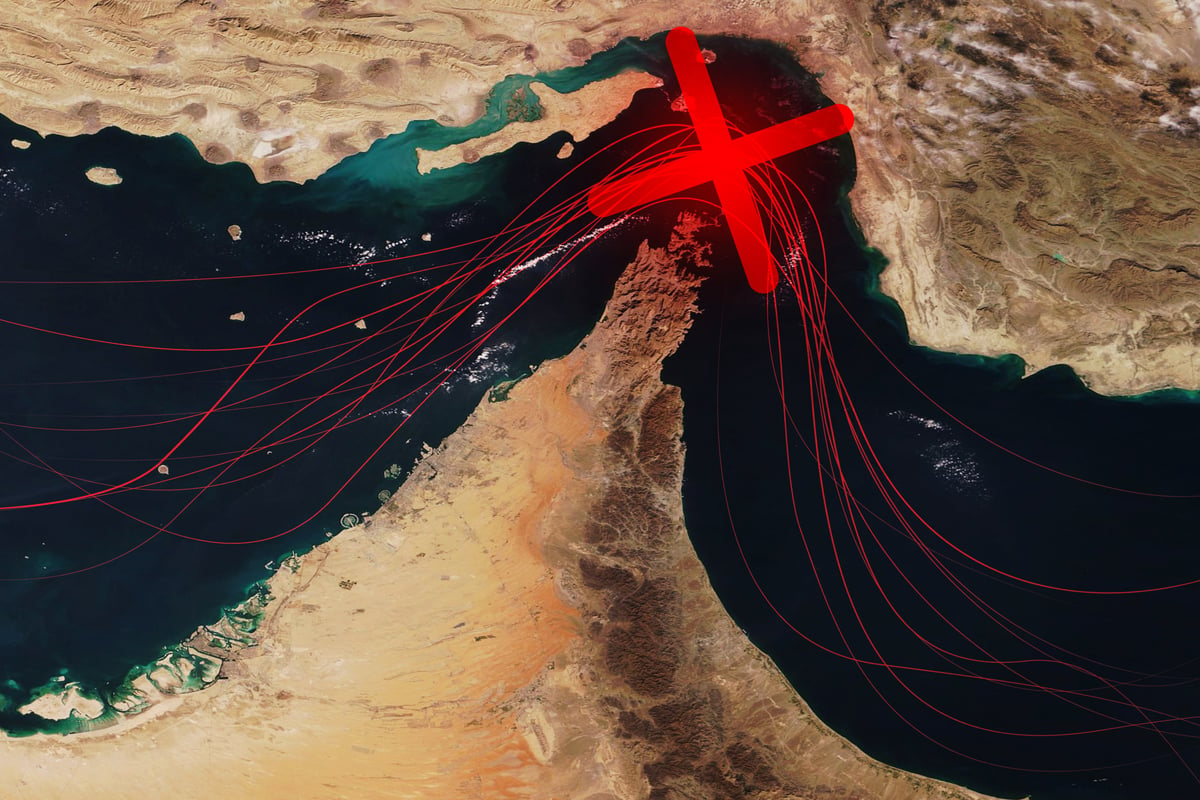
An Iranian missile strike on Qatar's natural gas infrastructure has disrupted approximately 30% of the world's helium supply, sending shockwaves through the semiconductor industry and creating an unexpected competitive advantage for Micron Technology ($MU) over South Korean rivals. The disruption to one of the world's most critical helium production hubs threatens chip manufacturers globally, but disparities in supply chain resilience have already begun separating winners from losers in the sector.
The Helium Supply Crisis and Global Impact
Helium serves as an essential refrigerant in semiconductor manufacturing, particularly in the production of advanced memory chips where cooling during fabrication is critical. Qatar's natural gas fields represent a dominant source of helium extraction, making the nation a linchpin in the global supply chain. The Iranian strike targeting Qatar's infrastructure has created an immediate bottleneck that threatens to reverberate through the entire electronics ecosystem.
The 30% supply disruption represents a staggering loss of production capacity at a time when:
- Global chip demand remains elevated across artificial intelligence, data center, and consumer electronics segments
- Helium inventory levels at major manufacturers are running lean following years of supply chain optimization
- Alternative sourcing takes months to activate, creating a near-term shortage that cannot be quickly remedied
- Production costs for helium alternatives are significantly higher, compressing margins across the industry
The geopolitical nature of the disruption also raises questions about the reliability of concentrated helium sourcing in volatile regions. Unlike supply disruptions caused by natural disasters or equipment failures, strikes on critical infrastructure introduce unpredictability that supply chain managers cannot easily model into their planning.
Micron's Structural Advantage in an Uncertain Market
Micron Technology has emerged as the likely beneficiary of this crisis, positioned with advantages that its South Korean competitors—particularly Samsung ($SSNLF) and SK Hynix ($HXSCF)—cannot easily replicate in the short term.
Micron's competitive positioning rests on three critical pillars:
Diversified Helium Sourcing: Unlike competitors who have concentrated their helium procurement from Qatari suppliers, Micron has cultivated relationships with multiple helium providers across different geographies. This geographic diversification insulates the company from single-point-of-failure scenarios and provides negotiating leverage during supply constraints.
U.S. Manufacturing Footprint: Micron operates significant fabrication facilities within the United States, where domestic helium production—though smaller than Qatar's—provides an additional buffer. The company's Idaho and Utah operations can potentially source helium from North American producers more rapidly than competitors reliant on Middle Eastern imports.
Stronger Financial Position: With greater financial resources and capital flexibility than some competitors, Micron can negotiate premium pricing for alternative helium sources and absorb short-term cost increases without proportionally reducing production. This financial cushion becomes critical during supply crises when spot market pricing for helium spikes substantially.
Market Context: The Semiconductor Supply Chain Under Strain
The helium shortage arrives at a particularly vulnerable moment for semiconductor manufacturers. The sector has spent the past three years optimizing supply chains for efficiency, reducing inventory buffers, and concentrating sourcing to improve profitability. These operational improvements have left the industry with minimal slack to absorb external shocks.
The competitive landscape heading into this crisis reveals stark differences in supply chain resilience:
- Samsung and SK Hynix, as the world's largest DRAM and NAND flash memory producers, face the most acute exposure to helium shortages given their production volumes and Qatari supplier concentration
- Intel ($INTC), while facing separate manufacturing challenges, maintains more diversified sourcing relationships built through decades of global operations
- TSMC ($TSM), the world's leading foundry, has historically maintained tighter supplier relationships across multiple regions
- Micron specifically benefits from its mid-tier position and deliberate sourcing strategy implemented years ago
The semiconductor industry's critical importance to artificial intelligence infrastructure development amplifies the stakes. Data center operators and AI chipmakers depend on steady supplies of advanced memory, making any production constraint a concern that ripples through the tech ecosystem.
Investor Implications and Market Opportunities
For investors monitoring the semiconductor sector, this disruption creates several important considerations:
Relative Performance Outlook: Micron's resilience positioning suggests the company may outperform competitors on both production continuity and margin preservation metrics. Investors comparing $MU against $SSNLF or $HXSCF should anticipate Micron potentially gaining market share during the supply constraint period.
Pricing Power: Semiconductor manufacturers with uninterrupted production capacity gain temporary pricing power over customers desperate to secure chip supplies. Micron's ability to maintain output could translate to improved gross margins in quarterly results.
Supply Chain Repricing: The crisis will likely accelerate industrial buyers' willingness to pay premium prices for chips from suppliers with proven supply chain resilience. This represents a hidden benefit for Micron beyond simple market share gains.
Competitive Consolidation Signals: Competitors facing severe production constraints may become acquisition targets or consider strategic partnerships, reshaping the competitive landscape in memory semiconductors.
For broader market watchers, the helium shortage underscores systemic vulnerabilities in critical supply chains. Beyond semiconductors, helium scarcity impacts medical imaging (MRI machines), scientific research, and aerospace applications, suggesting potential disruptions across multiple industries.
Looking Forward: Duration and Long-Term Implications
The duration of the helium shortage remains unclear, but most industry analysts anticipate supply constraints will persist for at least several months as alternative sources ramp production and infrastructure repairs progress. During this window, competitive positioning will significantly influence which companies gain share and which lose ground.
Looking beyond the immediate crisis, semiconductor manufacturers will likely fundamentally reassess supply chain concentration risk. Expect accelerated investment in geographic diversification, inventory buffers, and long-term supplier contracts outside volatile regions. These structural changes will reshape cost bases across the industry and create lasting competitive advantages for companies that acted decisively during the disruption.
The Iranian strike on Qatar's infrastructure serves as a stark reminder that semiconductor manufacturing, despite its technical sophistication, remains vulnerable to geopolitical events and concentrated supply chains. Micron's superior positioning in this crisis may prove to be just one early indicator of how supply chain resilience will become an increasingly important competitive differentiator in semiconductor markets for years to come.