
Nvidia Stock Falls as China Chip Sales Stall Despite U.S. Export Clearance
$NVDA shares declined 3.8% following reports that despite receiving U.S. regulatory approval to export its advanced H200 AI chips to Chinese companies, the semiconductor giant has yet to complete any actual sales to the region. The disappointing revelation suggests that approval from Washington does not automatically translate to revenue generation, as Chinese authorities have apparently withheld authorization for domestic purchases of the high-performance processors.
The sell-off reflects investor concerns about Nvidia's ability to capitalize on what has been positioned as a significant market opportunity in China, one of the world's largest consumers of semiconductor technology. However, analysts remain cautiously optimistic, characterizing the sales slowdown as likely temporary given persistent demand for Nvidia's industry-leading AI infrastructure chips.
The Approval-to-Sales Gap
The disconnect between U.S. export permission and actual Chinese purchasing highlights a critical gap in the semiconductor supply chain dynamics. Nvidia had secured U.S. Department of Commerce authorization to sell its H200 chips—designed specifically for AI workloads and computing-intensive applications—to Chinese enterprises. This approval represented a partial easing of pandemic-era export restrictions that had significantly constrained Nvidia's access to the Chinese market.
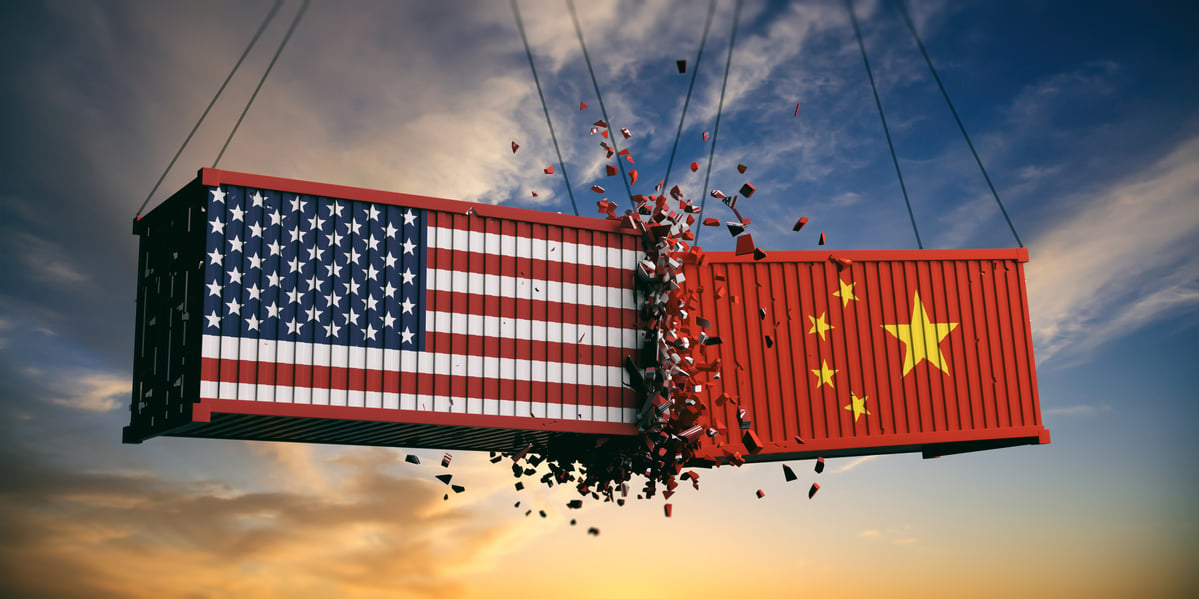
However, regulatory approval from one side of the Pacific does not guarantee market access on the other. Chinese authorities have apparently not granted corresponding import licenses or purchase authorizations necessary for domestic companies to acquire these chips. Key considerations in this regulatory standoff include:
- Geopolitical tensions between the U.S. and China over semiconductor technology and national security
- Competing domestic priorities in China to develop indigenous chip manufacturing capabilities
- Licensing delays or deliberate pacing of foreign chip approvals by Beijing
- Uncertainty among Chinese buyers regarding the longevity and stability of approval frameworks
The result is that despite regulatory green lights in Washington, Nvidia has been unable to convert approval into commercial transactions, creating a gap between market expectations and actual revenue generation.
Market Context and Competitive Landscape
Nvidia's struggle to access the Chinese market arrives at a critical juncture for the global AI chip industry. China represents an enormous opportunity for semiconductor suppliers—the country accounts for significant portions of global AI infrastructure spending, cloud computing adoption, and enterprise technology budgets. For $NVDA, which has dominated the AI accelerator market with its CUDA ecosystem and GPU architecture, losing access to Chinese customers represents both a competitive vulnerability and revenue headwind.
The broader semiconductor sector has grappled with export restrictions on advanced chips since 2022, with the U.S. government citing national security concerns. These policies have created uncertainty for major chip designers and manufacturers, affecting companies like AMD, Intel, and others with significant exposure to Asian markets. The inability to sell even approved products in China underscores how geopolitical factors can override traditional market mechanics.
Analysts have suggested that China's hesitation may reflect a strategic calculus: while restricting foreign chip imports, Beijing aims to accelerate development of homegrown alternatives and reduce technological dependence. This long-term industrial policy objective may temporarily suppress demand for imported chips like Nvidia's H200, even as demand for AI infrastructure remains robust globally.
Investor Implications and Forward Outlook
For $NVDA shareholders, the stock decline reflects updated expectations about near-term revenue contributions from the Chinese market. The 3.8% sell-off suggests investors were pricing in at least some near-term sales following the regulatory approval announcement, making the actual zero-sales outcome disappointing relative to expectations.
However, several factors may limit the duration and magnitude of this setback:
- Underlying demand remains strong: Analysts note that fundamental demand for Nvidia's chips in China has not evaporated; restrictions are policy-driven rather than demand-driven
- Regulatory frameworks could shift: Both U.S. and Chinese policies on chip trade remain subject to change, potentially unlocking sales if diplomatic or strategic conditions evolve
- Nvidia's dominant market position persists: The company maintains technological leadership in AI infrastructure, meaning China would face significant technical barriers to substituting domestic alternatives in the near term
- Global growth offsets China headwinds: While China represents a meaningful opportunity, Nvidia derives substantial revenue from North America, Europe, and other regions with few restrictions
The episode illustrates a broader risk in Nvidia's business model: regulatory factors beyond the company's control can dramatically alter addressable market opportunities. For investors evaluating $NVDA valuations, the China question remains material, though perhaps not determinative of long-term investment theses given the company's fortress position in AI chip design.
The coming quarters will be critical in determining whether this represents a temporary setback or a signal of more persistent market access challenges. If Chinese authorities eventually authorize purchases, the pent-up demand could create a significant revenue burst. Conversely, if restrictions persist or tighten, Nvidia may need to adjust growth expectations and investor guidance accordingly.
For now, the market's 3.8% correction appears to reflect realistic skepticism about near-term China monetization, even as longer-term optimism about AI infrastructure demand remains intact. Investors should monitor regulatory developments closely and track whether actual sales materialize in coming earnings reports.