
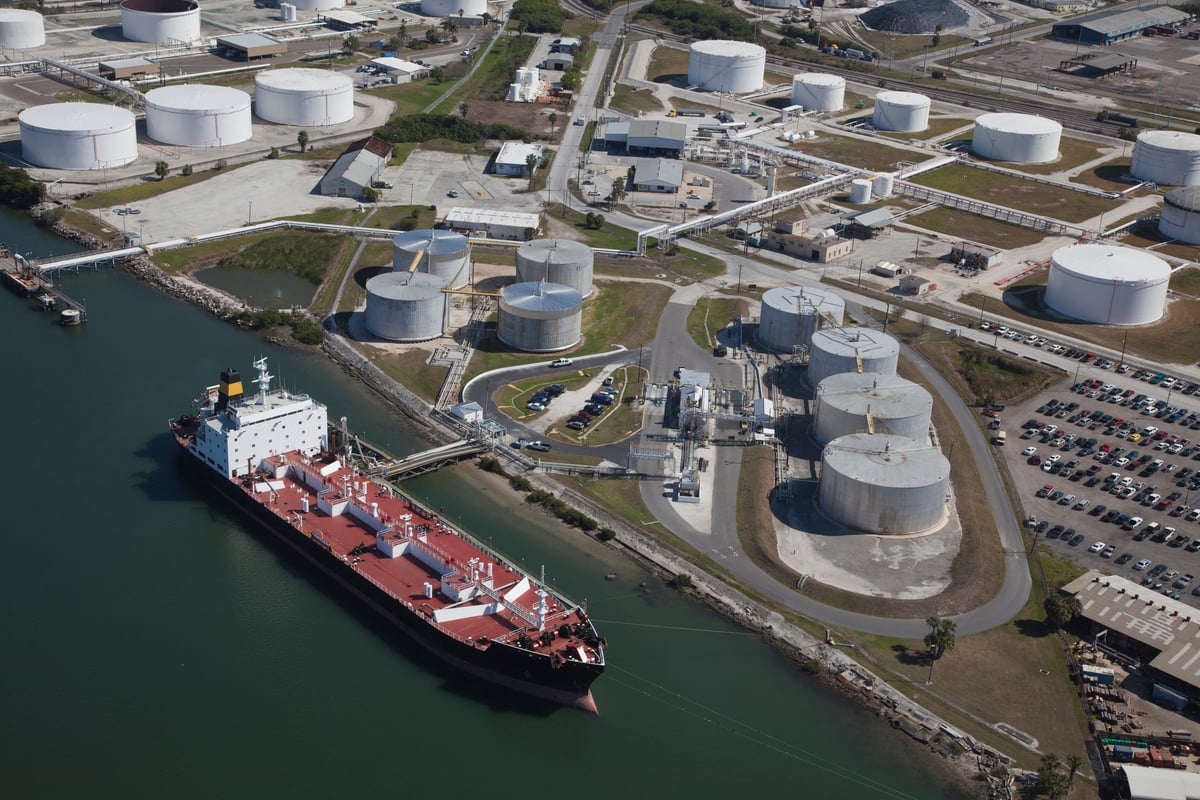
Energy Crisis Fuels High-Yield Winners: Three Dividend Stocks Delivering Double-Digit Returns
Geopolitical tensions and structural supply constraints in global energy markets are reshaping the dividend landscape, creating outsized opportunities for income-focused investors. Three energy-related equities—Sunoco ($SUN), Nordic American Tankers ($NAT), and DHT Holdings ($DHT)—have emerged as standout performers in 2025, combining exceptional yield profiles with substantial capital appreciation as crude oil shipping and pipeline infrastructure benefit from persistently elevated commodity prices and elevated international demand.
These three companies represent a concentrated thesis on energy market tightness: as geopolitical disruptions persist and international oil flows remain constrained, the shipping and midstream infrastructure required to move crude becomes increasingly valuable. For investors seeking meaningful income in an environment of higher-for-longer interest rates, these opportunities warrant careful consideration—though they come with sector-specific volatility risks.
Strong Dividend Yields Meet Capital Gains
The three standout performers showcase compelling dividend profiles that are unusual in today's equity landscape:
- DHT Holdings leads with an extraordinary 13.6% yield, paired with 48% year-to-date stock price appreciation
- Nordic American Tankers offers an 8% dividend yield alongside 62% YTD gains, the strongest price performance of the trio
- Sunoco provides a 5.4% yield with 33% YTD stock appreciation, combining midstream stability with meaningful capital returns
What makes these returns particularly noteworthy is the dual nature of the returns: shareholders are capturing both substantial dividend income and stock price appreciation simultaneously. This combination is rare outside of cyclical commodity-related equities during periods of structural tightness.
DHT Holdings, which operates a fleet of crude oil tankers, has benefited most dramatically from the current market environment. The company's 13.6% yield represents the compounding effect of high oil tanker rates—driven by longer shipping routes due to geopolitical constraints—combined with a disciplined capital allocation strategy that returns excess cash to shareholders through robust dividends.
Nordic American Tankers, similarly positioned in the crude oil shipping sector, has seen its 62% year-to-date stock appreciation outpace its peers, reflecting market recognition of sustained high tanker utilization rates. The 8% yield provides meaningful income while shareholders also benefit from potential further appreciation if shipping rates remain elevated.
Sunoco, a midstream energy infrastructure company, operates in a different segment—it owns and operates crude oil and refined product pipelines. Its more modest 5.4% yield reflects the more stable, regulated nature of midstream assets, though the 33% stock appreciation demonstrates that investors are repricing these holdings upward as crude oil infrastructure becomes a critical chokepoint in energy markets.
Market Context: Geopolitical Disruptions Reshape Energy Logistics
The exceptional performance of these three equities must be understood within the context of broader energy market structural changes. Several factors are driving the dividend expansion and capital appreciation:
Geopolitical Supply Constraints: Ongoing international tensions have disrupted traditional oil shipping routes and increased voyage distances. When crude must travel longer routes to reach refineries—whether due to canal closures, sanctions on certain shipping corridors, or military activity—tanker operators see dramatically higher utilization and rates. This directly translates to higher earnings and dividend capacity.
Oil Price Elevation: Crude oil prices remain significantly elevated compared to the 2015-2020 period, driven by OPEC+ production management, strong global demand (particularly from Asia), and supply concerns. Higher commodity prices increase the absolute dollar volumes moving through pipelines and across shipping routes, generating higher revenues for infrastructure operators.
Limited Supply of Vessels: The crude oil tanker fleet cannot easily expand in the near term due to long build times for new ships. This supply inelasticity, combined with elevated demand for transportation services, creates a favorable pricing environment for existing fleet operators like DHT and NAT.
Energy Transition Paradox: Ironically, the global energy transition toward renewables has created a tighter near-term oil market, as investment in new oil production has plummeted, but global oil demand remains substantial. This creates a structural mismatch that benefits logistics providers.
Competitor context matters as well. Other shipping and midstream companies, including Euronav (another crude tanker operator) and Magellan Midstream Partners ($MMP), have also performed well but haven't matched the capital appreciation of these three names. This suggests DHT, NAT, and SUN may have benefited from strategic positioning or market sentiment shifts particular to their specific assets.
Investor Implications: High Yield Comes With Cyclical Risk
For income-focused investors, these three equities present a compelling but volatile opportunity set. Several considerations merit attention:
Cyclical Nature: Both shipping and energy infrastructure are cyclical. When global growth slows, oil demand softens, shipping rates compress, and these dividend yields can contract substantially. The current elevated yields may not persist indefinitely; investors should view these as cyclical peaks rather than new normal baselines.
Geopolitical Dependency: The outperformance has been partly driven by specific geopolitical events and supply disruptions. Any resolution to international tensions or reopening of traditional shipping routes could rapidly compress tanker rates and pipeline utilization. This creates binary tail-risk scenarios.
Dividend Sustainability: High-yield equities that are growing dividends rapidly warrant scrutiny on cash flow sustainability. Investors should examine whether these companies are funding dividends from operational cash flow or from working capital draws and asset sales. Sustainable dividends from strong operating cash flow are preferable to those funded by drawing down reserves.
Capital Gains Sustainability: The 33-62% year-to-date stock appreciation likely reflects some combination of earnings growth and multiple expansion as investors reassess energy infrastructure valuations. As stocks approach new highs, the sustainability of capital appreciation becomes less certain, even if dividends remain robust.
Regulatory and Political Risk: Energy companies face increasing regulatory scrutiny related to climate concerns. While crude oil tankers and pipelines are essential infrastructure, policy shifts could eventually constrain long-term growth prospects. Sunoco ($SUN), given its midstream asset base, may face particular regulatory headwinds in certain jurisdictions.
For investors with a 2-3 year time horizon seeking maximum income, these three names offer compelling yields that exceed most fixed income alternatives. However, investors seeking multi-decade dividend growth should consider whether energy logistics infrastructure will remain structurally favorable throughout their investment horizon.
Looking Ahead: Timing and Valuation Matter
The exceptional performance of DHT Holdings, Nordic American Tankers, and Sunoco in 2025 reflects real structural improvements in energy logistics markets, but also likely incorporates some cyclical optimism. Investors evaluating these names in late 2025 should consider their entry point carefully, examining whether current valuations still reflect an attractive risk-reward profile or whether the market has already substantially priced in the favorable scenarios.
Those seeking exposure to high-yield energy equities should ladder into positions rather than deploying capital in a single lump sum, given the inherent volatility of these names. Additionally, positioning these equities as a portion of a diversified portfolio—rather than a concentrated bet—provides appropriate risk management for volatile sectors. The structural factors supporting these companies remain in place, but execution of geopolitical developments and global growth trajectories will ultimately determine whether 2026 delivers the same compelling returns as 2025.