
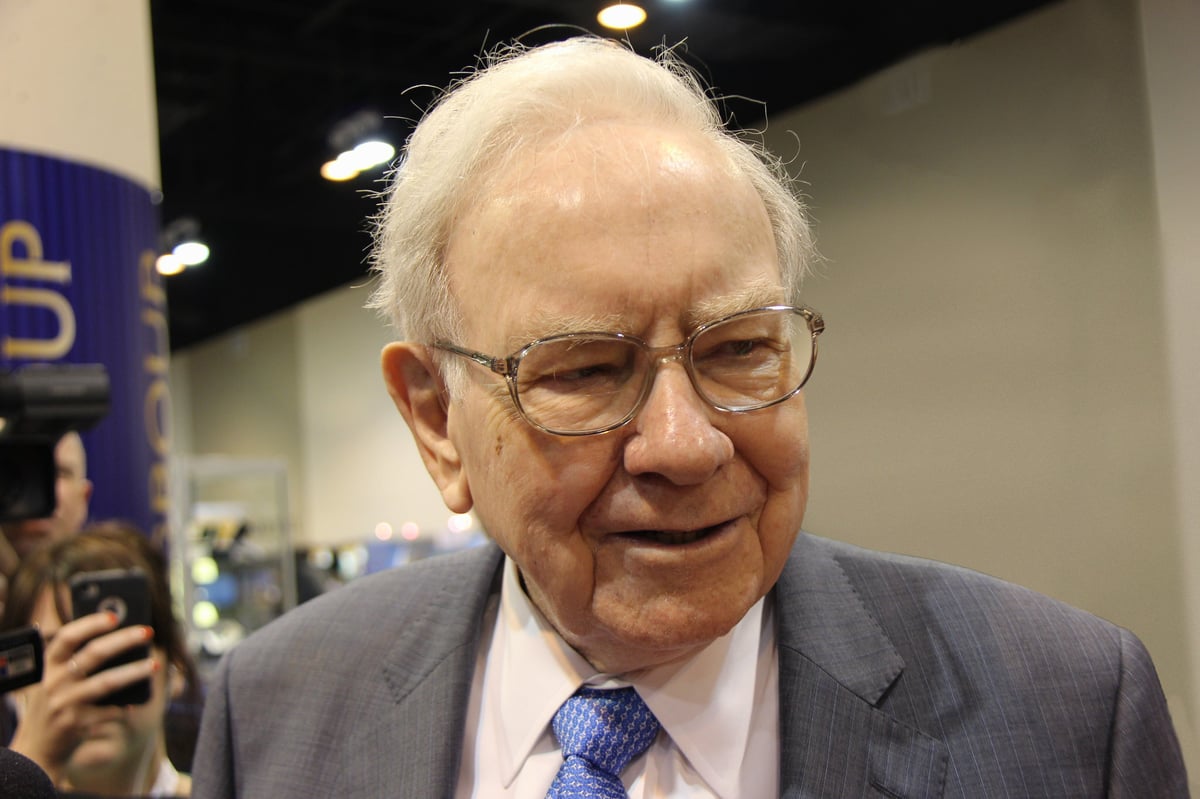
Greg Abel, the newly appointed CEO of Berkshire Hathaway ($BRK.B), has authorized $235 million in stock buybacks during the first quarter of 2026, signaling his commitment to continuing Warren Buffett's hallmark strategy of returning capital to shareholders through repurchases. The move comes just weeks after Buffett's departure at year-end 2025, demonstrating that Abel intends to maintain the conglomerate's capital allocation philosophy while operating with the company's formidable cash reserves of over $397 billion.
Abel's early authorization underscores confidence in Berkshire Hathaway's intrinsic value and reflects the strategic continuity investors have been watching closely since the legendary investor stepped down. The decision also provides a clear signal that despite leadership transition, Berkshire Hathaway will continue deploying its substantial financial resources in ways that benefit long-term shareholders rather than pursuing aggressive M&A activity or dividend increases.
The Buyback Trajectory Under New Leadership
Berkshire Hathaway's commitment to share repurchases has been a defining feature of its capital allocation strategy for years. Under Buffett's stewardship, the company authorized $77.8 billion in stock buybacks between 2018 and 2024—a seven-year period that demonstrates the scale at which the conglomerate operates and its conviction in returning excess capital to shareholders.
Key metrics from the buyback program include:
- $235 million authorized in Q1 2026
- $77.8 billion in buybacks executed between 2018-2024
- $397 billion+ in available cash reserves
- Historical buyback authorization demonstrating multi-billion-dollar annual capacity
The Q1 2026 authorization, while modest compared to some recent years, reflects standard quarterly operations rather than any pullback from the buyback strategy. With over $397 billion in cash on the balance sheet, Berkshire Hathaway maintains extraordinary capacity to accelerate buyback activity if leadership determines shares are trading at attractive valuations relative to intrinsic value.
Market Context: Leadership Transition and Strategic Continuity
Berkshire Hathaway's transition from Buffett to Abel represents one of the most closely watched leadership changes in corporate America, given Buffett's outsized influence on the company's culture and strategy. Investors have been scrutinizing Abel's early decisions to assess whether the new CEO would maintain the disciplined capital allocation framework that has defined Berkshire Hathaway for decades.
Abel's immediate authorization of substantial buybacks addresses one of the primary concerns among analysts: would the successor continue Berkshire Hathaway's preference for repurchases over other capital deployment options? The answer appears decidedly affirmative. The buyback authorization maintains continuity with a strategy that Buffett championed as superior to dividends when shares trade below intrinsic value, since repurchases benefit remaining shareholders through increased ownership concentration without triggering tax consequences.
The timing also occurs amid a complex macroeconomic environment where companies face competing pressures to invest in growth, return capital to shareholders, or preserve liquidity. Berkshire Hathaway's substantial cash position and buyback authorization suggest confidence in the company's ability to weather economic uncertainty while still rewarding shareholders through reduced share count.
Investor Implications: What This Signals for Shareholders
For Berkshire Hathaway shareholders, Abel's buyback authorization carries several meaningful implications:
Shareholder-Friendly Capital Allocation: The authorization demonstrates that Berkshire Hathaway under new leadership remains committed to returning excess capital through a mechanism that increases per-share value for remaining shareholders. This represents validation of the Buffett-era philosophy that continues to govern Berkshire Hathaway's financial decisions.
Confidence in Valuation: Management's willingness to repurchase shares suggests Abel and the board believe Berkshire Hathaway stock offers attractive value relative to intrinsic worth. This implicit valuation signal may resonate particularly with long-term investors who view share repurchases as a proxy for management confidence.
Capacity for Acceleration: With $397 billion in cash reserves, Berkshire Hathaway maintains substantial dry powder to increase buyback activity if circumstances warrant. This financial flexibility provides a cushion for opportunistic capital deployment during market volatility or economic uncertainty.
Succession Risk Mitigation: The swift authorization of buybacks helps mitigate succession risk concerns by demonstrating business continuity. Rather than signaling a dramatic strategic shift, Abel has essentially confirmed that Berkshire Hathaway's core investment and capital allocation philosophy remains intact.
For the broader market, Berkshire Hathaway's continued buyback activity influences equity valuations by removing shares from circulation and supporting per-share metrics. As one of the largest capital allocators in the U.S. market, Berkshire Hathaway's buyback decisions carry implications for overall market liquidity and valuation dynamics.
Looking Forward: The Abel Era Takes Shape
As Greg Abel navigates his first months as CEO, the $235 million Q1 2026 buyback authorization serves as an important early data point about his leadership approach. Rather than pursuing dramatic strategic overhauls or capital structure changes, Abel appears committed to maintaining the disciplined, shareholder-focused methodology that built Berkshire Hathaway into an investment powerhouse spanning insurance, railroads, energy, and consumer goods.
Investors will continue monitoring how Abel deploys the company's substantial cash reserves in coming quarters and years. Should economic conditions deteriorate or equity markets become more volatile, the combination of $397 billion in cash and a demonstrated commitment to buybacks positions Berkshire Hathaway as a potential stabilizing force in its investment portfolio while providing opportunities for opportunistic capital deployment. The new CEO's early capital allocation decisions suggest that the transition from Buffett will be characterized by continuity and discipline rather than radical change—a message that appears to resonate with the market and Berkshire Hathaway's long-term investor base.