
GM Shifts Strategy: $1.3B U.S. Investment Bets on Profitable Trucks Over EVs
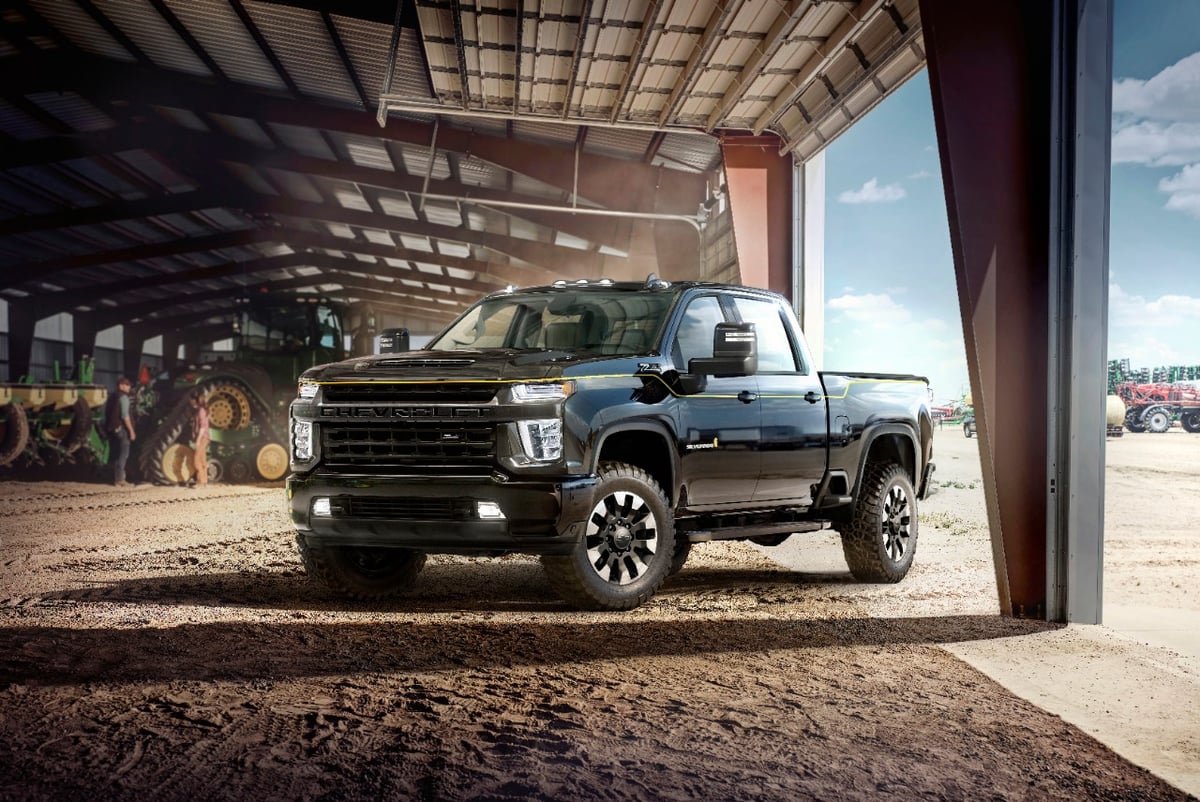
General Motors is doubling down on what it does best—and what actually makes money. The Detroit automaker announced over $1.3 billion in new U.S. manufacturing investments focused on boosting production capacity for transmissions and next-generation V8 engines that power its flagship full-size pickups: the Chevrolet Silverado and GMC Sierra. This strategic pivot marks a significant departure from the company's previous approach and signals a more pragmatic, near-term profitability focus that stands in stark contrast to earlier capital allocation decisions that triggered billion-dollar write-downs.
The move reflects a fundamental recalibration in how legacy automakers are approaching the energy transition. Rather than aggressively pursuing uncertain electric vehicle markets with massive upfront costs and unproven demand, GM is strategically investing in vehicles with proven market demand, established supply chains, and substantial profit margins. Full-size pickup trucks represent some of the highest-margin vehicles in the American automotive market, commanding premium pricing and generating robust cash flow that funds broader corporate operations.
Strategic Pivot Away from Previous EV Missteps
This investment announcement carries particular significance given GM's recent history with electric vehicle commitments. The company previously announced ambitious EV-focused manufacturing investments that resulted in substantial financial write-downs, forcing the automaker to reassess its capital allocation strategy. Unlike those initiatives—which often faced demand uncertainty, supply chain constraints, and technological execution risks—the current transmission and V8 engine investments target established powertrains with:
- Proven customer demand in the lucrative full-size pickup segment
- Lower technological and execution risk compared to emerging EV platforms
- Immediate and predictable profit potential rather than speculative future revenues
- Strong near-term cash generation capabilities
- Existing manufacturing expertise and supplier relationships
The full-size pickup truck category remains one of Detroit's most dependable profit engines. Silverado and Sierra models benefit from:
- Premium pricing power in a competitive segment
- Strong brand loyalty among commercial and consumer buyers
- High per-unit profitability compared to most vehicle segments
- Stable demand patterns less susceptible to economic volatility
- Established dealer networks and customer service ecosystems
By investing in next-generation powertrains for these vehicles, GM positions itself to capitalize on current profitability while longer-term EV transitions mature. This represents a more measured approach than the aggressive timeline commitments that characterized earlier EV announcements across the auto industry.
Market Context: The Pickup Truck Premium and Industry Dynamics
The American full-size pickup truck market has consistently outperformed broader automotive segments in profitability and resilience. These vehicles command pricing that reflects their utility, brand prestige, and perceived performance characteristics. GM's investment in transmission and engine capacity directly supports meeting demand for these vehicles, which continue to generate substantially higher margins than mass-market sedans or crossovers.
This investment strategy also reflects broader industry realities. While legacy automakers pursue electrification commitments required by regulation and stakeholder expectations, the near-term revenue reality remains that internal combustion engine vehicles continue driving profitability. Competitors including Ford Motor Company ($F) and Stellantis ($STLA) similarly rely on full-size pickup profitability to fund transformation initiatives.
The transmission investment is particularly noteworthy, as modern transmission technology directly impacts fuel efficiency, performance, and customer satisfaction metrics. Next-generation V8 engines represent an evolution rather than obsolescence—refinements that deliver improved efficiency while maintaining the power and torque characteristics that truck buyers demand.
GM's investment comes amid:
- Sustained strong demand for full-size pickups despite economic uncertainties
- Premium pricing holding firm in the luxury truck segment
- Commercial fleet demand remaining robust
- Consumer preference for trucks in certain markets and demographics
- Regulatory timelines that allow ICE production through the next decade
Investor Implications: Profit-Focused Capital Allocation
For General Motors shareholders, this investment announcement signals management's commitment to near-term profitability and cash generation. Rather than betting heavily on uncertain future technologies, the company is funding growth in proven, high-margin segments. This approach directly supports dividend sustainability and capital returns to shareholders—critical factors for GM's valuation and investor perception.
The strategy suggests a more mature, balanced approach to the energy transition compared to peers pursuing aggressive EV-only timelines. By maintaining and expanding capacity for profitable ICE vehicles while selectively advancing EV capabilities, GM positions itself to capture cash flows across the transition period rather than front-loading massive investments in uncertain technology adoption patterns.
For the broader automotive sector, GM's move reinforces the reality that legacy automakers will depend on internal combustion engine profitability for years to come. This validates investment in existing powertrains and manufacturing facilities rather than wholesale abandonment of proven technologies. Investors watching companies like Ford ($F) and Stellantis ($STLA) should recognize that similar profit-focused strategies are likely emerging across the industry.
The $1.3 billion commitment also represents meaningful economic stimulus for U.S. manufacturing communities, supporting union labor agreements and supply chain ecosystems that benefit regional economies. This domestic manufacturing focus aligns with policy priorities and may attract favorable regulatory or tax treatment.
Looking Ahead: Balancing Transformation and Profitability
General Motors' investment strategy reflects a maturing perspective on automotive industry transformation. Rather than an all-or-nothing bet on electrification, the company is taking a more pragmatic approach: extract maximum profitability from current proven business segments while carefully advancing next-generation technology. The $1.3 billion transmission and V8 engine investment demonstrates this balanced philosophy.
This capital allocation approach should appeal to investors prioritizing near-term returns and financial stability. By supporting production of the company's highest-margin vehicles, GM positions itself to generate the cash flows necessary for continued innovation, shareholder returns, and long-term competitiveness. The strategy acknowledges that automotive transformation will span decades, not years, and that legacy automakers must fund their own evolution through current profitability.
As the automotive industry navigates competing pressures—regulatory mandates, technological disruption, investor demands, and shareholder expectations—GM's focused investment in proven vehicles represents a credible pathway for generating value through the transition period while positioning for longer-term competitiveness.