
The Convergence of Musk's Business Empire
Elon Musk has engineered an intricate web connecting four major entities—SpaceX, xAI, Tesla, and Nvidia—into a coordinated artificial intelligence and infrastructure ecosystem that could reshape multiple industries simultaneously. This integrated network leverages each company's unique strengths: Nvidia's computational horsepower, Tesla's vast real-world data streams, xAI's large language model development, and SpaceX's global connectivity infrastructure. The architecture represents one of the most ambitious attempts to create vertical integration across AI hardware, software, data, and communications networks, with profound implications for investors seeking exposure to next-generation AI capabilities.
The Mechanics of the Integrated Ecosystem
At the core of this interconnected system lies a symbiotic relationship between the four companies:
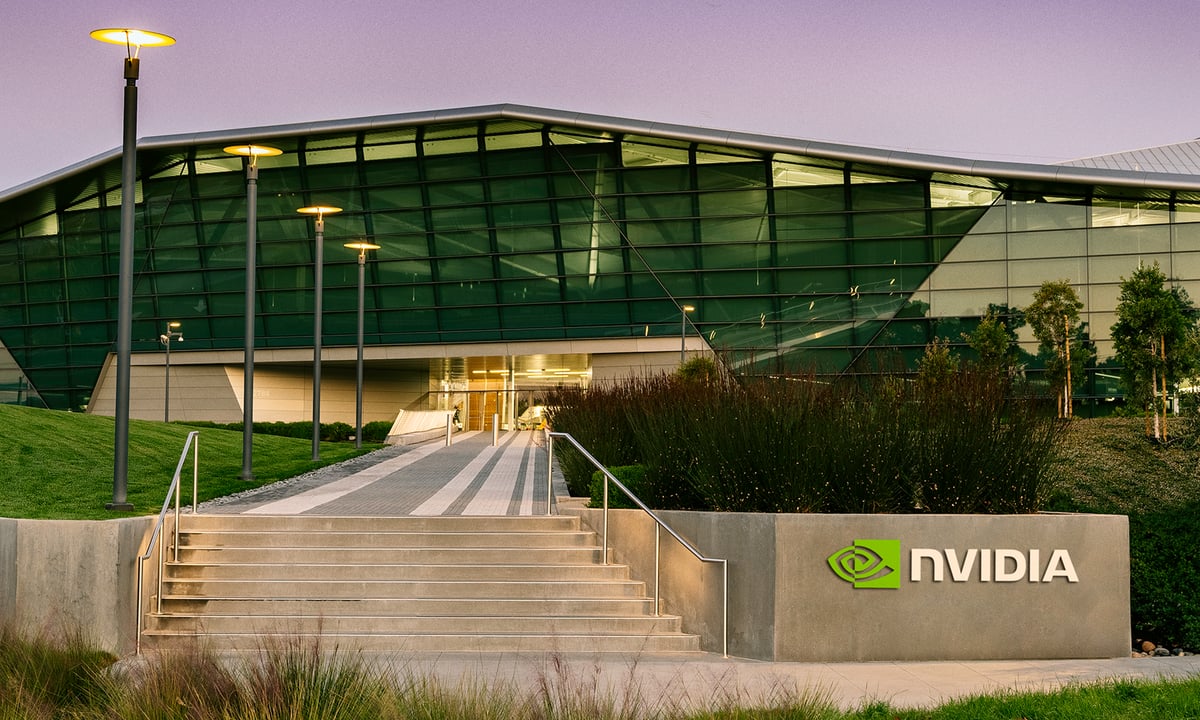
Nvidia's GPU Infrastructure: Nvidia ($NVDA) supplies the graphics processing units essential for training xAI's artificial intelligence models. These GPUs represent the computational backbone enabling machine learning operations at scale. With global GPU scarcity remaining a critical bottleneck for AI development, Nvidia's dominant position in this supply chain gives Musk's companies a structural advantage in model training and deployment.
Tesla's Data Advantage: Tesla ($TSLA) contributes billions of miles of real-world driving data collected from its vehicle fleet—an invaluable asset for refining autonomous driving algorithms and developing advanced robotics. This continuous data stream feeds directly into xAI model improvement, creating a feedback loop where better AI models enhance Tesla's autonomous capabilities, which in turn generates more refined training data. This relationship directly addresses one of autonomous driving's greatest challenges: obtaining diverse, representative real-world datasets.
xAI's AI Development: xAI, Musk's artificial intelligence startup, sits at the intellectual center of this ecosystem, developing advanced large language models and reasoning systems. By having direct access to Tesla's proprietary driving data and Nvidia's computational resources without market intermediaries, xAI can develop specialized models optimized specifically for automotive and robotics applications rather than general-purpose AI systems.
SpaceX's Connectivity Layer: SpaceX provides Starlink, a satellite-based broadband network that supplies critical infrastructure connectivity. This enables seamless communication between Tesla vehicles, xAI data centers, and Nvidia's computing infrastructure globally. For autonomous vehicles and distributed robotics systems, reliable low-latency connectivity is essential—Starlink eliminates dependence on terrestrial networks and positions the ecosystem as infrastructure-agnostic.
Market Context and Competitive Positioning
This integrated approach represents a departure from the traditional siloed structure of automotive, AI, and satellite communication companies. Traditional automakers rely on external suppliers for both hardware and software, limiting their control over AI capabilities and data pipelines. Conversely, Musk's architecture internalizes these critical functions.
Industry Backdrop: The AI semiconductor market continues explosive growth, with demand for GPUs exceeding supply projections. Nvidia remains the undisputed leader with approximately 80% market share in AI accelerators, making it the essential component in any large-scale AI development effort. Tesla's autonomous driving ambitions have long faced criticism regarding data quality and model sophistication—direct access to xAI's cutting-edge models addresses these concerns structurally.
Competitive Landscape: Traditional automakers like Ford and General Motors struggle to develop competitive autonomous systems while maintaining supplier relationships that distribute control and profit margins. Meanwhile, tech-native competitors like Waymo (Alphabet subsidiary) possess advanced autonomous technology but lack the vertically integrated data and manufacturing advantages Tesla commands. This ecosystem gives Tesla potential advantages in both AI sophistication and system integration speed.
The satellite connectivity angle is particularly strategic. Unlike competitors dependent on cellular infrastructure controlled by telecom carriers, Tesla and xAI gain infrastructure independence through Starlink, reducing operational risks and regulatory dependencies.
Investment Access and Portfolio Implications
For investors seeking exposure to this integrated ecosystem, direct access remains limited. SpaceX is not yet publicly traded, though the company has announced an initial public offering (IPO) scheduled for June 2026. This creates a multi-year window where investors cannot directly purchase SpaceX equity.
Current Investment Vehicles:
- Tesla ($TSLA) provides the most direct exposure, combining autonomous driving development, robotics ambitions, and energy storage—all enhanced by this ecosystem integration
- Nvidia ($NVDA) offers indirect exposure as the essential hardware supplier, though the company serves thousands of customers beyond Musk's enterprises
Strategic Considerations: While concentration in Musk-related assets might seem attractive, diversification experts caution against overweighting positions in interconnected companies with a single visionary leader. Musk's companies operate at significant execution risk, particularly regarding autonomous driving timelines and xAI's ability to compete with established AI labs like OpenAI and Google's DeepMind.
The June 2026 SpaceX IPO creates a potential inflection point. Investors should monitor:
- Progress on Tesla's Full Self-Driving (FSD) capabilities and robotics development
- xAI's technical achievements relative to competitors
- Starlink's commercial adoption and profitability trajectory
- Nvidia's ability to meet ecosystem demands while serving broader markets
Investors should also consider that this ecosystem's success depends on technological breakthroughs—autonomous driving at scale, advanced robotics, and large language models—that remain uncertain timelines despite substantial progress.
Forward-Looking Implications
The integration of SpaceX, xAI, Tesla, and Nvidia represents an ambitious attempt to create a closed-loop AI development and deployment system. If successful, it could establish a significant competitive moat in autonomous vehicles, robotics, and satellite communications. However, the ecosystem's success hinges on execution across multiple complex domains simultaneously.
For investors, the SpaceX IPO in June 2026 represents a key event that will allow direct participation in what currently remains a private enterprise. Until then, exposure through Tesla and Nvidia provides indirect access, though with the caveat that these companies operate across diverse markets beyond Musk's ecosystem. A diversified approach—avoiding overconcentration in Musk-related assets while maintaining exposure to the AI infrastructure buildout—likely represents prudent portfolio positioning given both the significant opportunity and inherent execution risks.