
A Case for Patient Capital: Three Secular Growth Stories
In an era of volatile markets and shortened investment horizons, identifying stocks with genuine two-decade compounding potential has become increasingly valuable for long-term investors. Three companies stand out as possessing the structural advantages, market positions, and growth engines necessary to deliver meaningful shareholder returns across an extended timeline: Amazon ($AMZN), O'Reilly Automotive ($ORLY), and Nike ($NKE). Each company operates within distinct industries yet shares a common thread—powerful secular tailwinds, competitive moats, and multiple levers for value creation that extend far beyond current market valuations.
The Multi-Engine Growth Story Behind Each Giant
Amazon's Cloud Computing and Digital Ecosystem
Amazon represents perhaps the most compelling case for multi-decade ownership. The e-commerce pioneer has evolved into a diversified technology powerhouse with three particularly significant high-margin growth engines driving future value creation:
- Amazon Web Services (AWS): Remains the dominant cloud infrastructure provider with significant pricing power and sticky customer relationships
- Advertising business: Growing at accelerating rates with minimal cannibalization of other segments, leveraging Amazon's unmatched first-party customer data
- Custom silicon: Amazon's development of proprietary chips for its data centers and cloud customers reduces reliance on external suppliers and improves margins
These businesses operate at substantially higher margins than Amazon's retail foundation, creating a favorable earnings mix shift over time. The company's ability to cross-sell services across its ecosystem—from logistics to payments to cloud infrastructure—creates compounding advantages that strengthen with scale.
O'Reilly's Defensive Positioning in Auto Parts
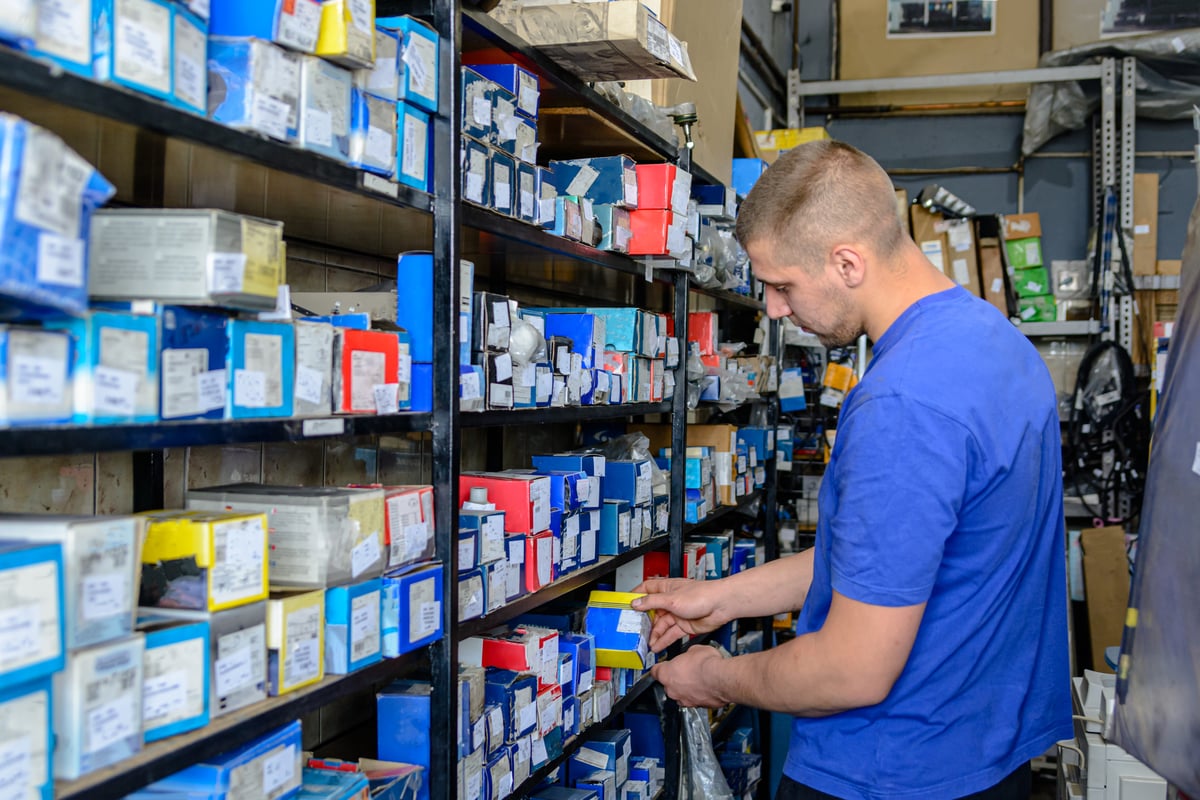
O'Reilly Automotive ($ORLY) occupies a uniquely defensible position within the automotive aftermarket sector. Two critical structural trends support the thesis for sustained long-term growth:
The aging vehicle fleet dynamic: The average age of vehicles on U.S. roads has increased substantially, extending the period during which vehicles require maintenance and replacement parts. This secular trend independently drives demand for aftermarket components regardless of new vehicle sales cycles.
The shift toward independent repair: Consumers and small repair shops increasingly choose independent service facilities over dealerships due to cost advantages and convenience. O'Reilly, as the largest independent auto parts retailer in North America, captures a disproportionate share of this structural migration away from franchise dealership service departments.
These dual tailwinds create a business model that benefits from demographic and economic shifts beyond management's control, providing durable competitive positioning.
Nike's Enduring Brand Fortress
Nike ($NKE) maintains unparalleled global brand dominance in athletic footwear and apparel despite near-term margin compression. The company's brand equity—built over decades through athlete endorsements, marketing excellence, and product innovation—creates pricing power that rivals few consumer companies.
While current margin pressures from supply chain normalization and competitive intensity warrant monitoring, Nike's fundamental position as the aspirational athletic brand globally provides confidence that pricing power will normalize and expand over a 20-year horizon. The company's direct-to-consumer transition and digital expansion create additional margin opportunities as the business matures.
Market Context: The Broader Investment Landscape
These three stocks merit examination within their respective competitive and macroeconomic contexts. The cloud computing market dominated by Amazon faces increasing competition from Microsoft ($MSFT) and Alphabet ($GOOGL), yet AWS maintains structural advantages in market share, customer diversity, and technical capabilities. The advertising market, Amazon's fastest-growing segment, benefits from the secular shift toward digital and e-commerce advertising.
In the automotive aftermarket, O'Reilly competes with AutoZone ($AZO) and Advance Auto Parts, yet maintains operational excellence and market share momentum. The independent repair channel—O'Reilly's core advantage—continues consolidating around large, well-capitalized players.
Nike faces intensifying competition from both established brands like Adidas and emerging athletic companies, while broader retail sector pressures persist. However, Nike's vertical integration, brand strength, and innovation capabilities position it defensively within this competitive landscape.
Regulatory headwinds merit consideration: Amazon faces ongoing antitrust scrutiny from regulators globally, particularly regarding its marketplace practices and cloud dominance. However, structural regulatory intervention appears unlikely over a 20-year period given the competitive nature of cloud markets and e-commerce.
Why These Stocks Matter for Long-Term Investors
For investors with extended time horizons—whether endowments, pension funds, or individual savers building wealth—these three companies offer different but complementary advantages. Amazon provides exposure to secular digitalization trends. O'Reilly delivers defensive characteristics through demographic tailwinds and capital efficiency. Nike offers brand durability and emerging margin expansion opportunities.
The compounding mathematics across 20 years dramatically favors companies with:
- Sustainable competitive advantages resistant to disruption
- Multiple revenue and profit growth vectors
- Strong capital allocation discipline
- Market positions unlikely to face wholesale disruption
All three companies satisfy these criteria, making them worthy of consideration for investors capable of maintaining positions through market cycles and valuation fluctuations.
The Long Game: Strategic Implications for Patient Capital
The case for holding Amazon, O'Reilly, and Nike for two decades rests not on near-term catalysts or quarterly earnings beats, but on fundamental business characteristics likely to generate value far into the future. Each company operates within markets or segments where secular tailwinds will persist—cloud adoption, vehicle aging, and athletic wear consumption—independent of macroeconomic cycles.
For investors willing to tolerate volatility and resist short-term performance anxiety, building positions in these secular compounders and allowing them to work across decades represents a time-tested approach to wealth accumulation. The combination of brand strength, operational excellence, and structural market advantages suggests these three monsters have significant room to grow—both in absolute terms and as a percentage of investor portfolios seeking long-term wealth creation.