
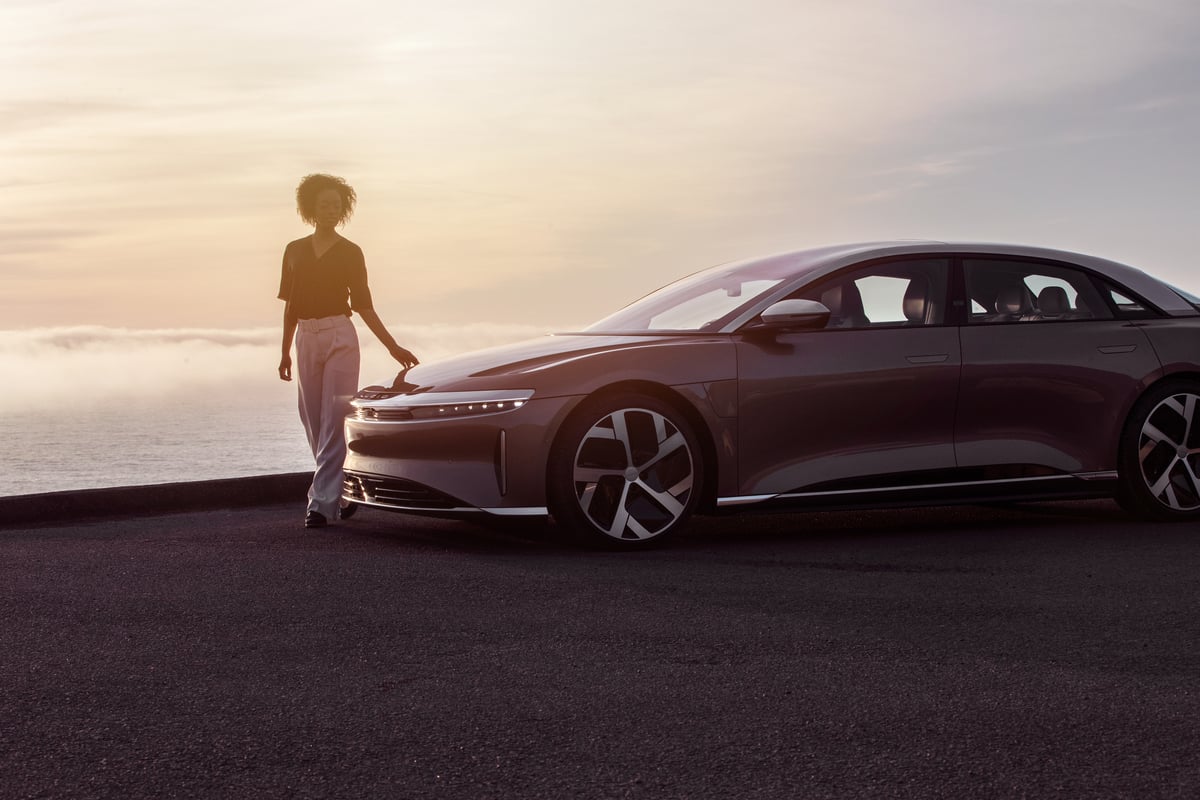
Lucid Group is positioning itself for a transformative period over the next decade, with plans to introduce affordable vehicle models priced below $50,000 to expand beyond its current luxury segment. This strategic shift mirrors Tesla's approach to scaling production and reaching broader consumer markets, signaling management's intent to transition from a premium-only manufacturer to a volume-based producer.
A critical component of the company's long-term strategy involves developing software and artificial intelligence capabilities for autonomous driving systems. By diversifying revenue streams beyond hardware sales, Lucid aims to establish recurring revenue opportunities that could support profitability in mature markets where vehicle margins face compression.
The company's execution on these initiatives remains uncertain, however. Historical production delays and ongoing financial constraints present material risks to the realization of its strategic roadmap. Success will depend on Lucid's ability to secure adequate capital, achieve manufacturing efficiencies at scale, and deliver autonomous driving technology that meets both regulatory and consumer expectations within the competitive EV landscape.