
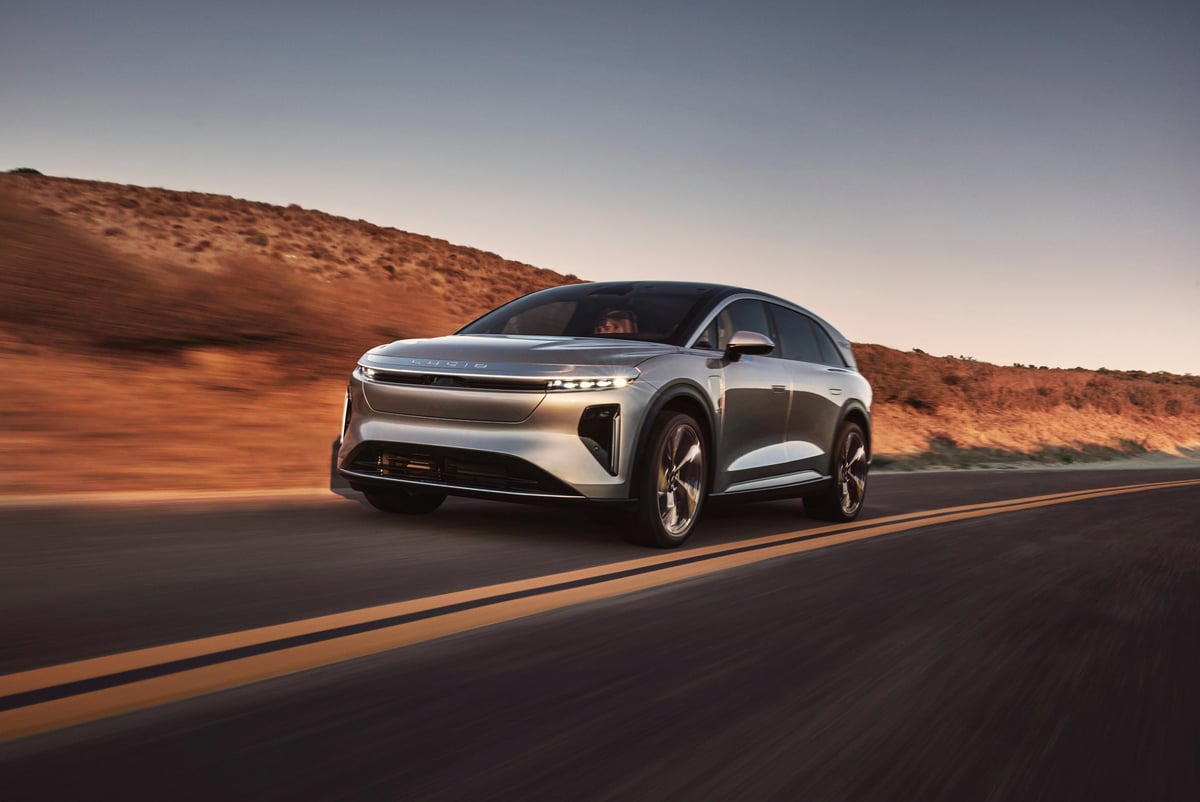
Electric vehicle manufacturers Lucid and Nio demonstrated strong sales growth in early 2025, with Lucid reporting a 55% year-over-year increase in deliveries and Nio posting a 72% sequential surge in quarterly shipments. Despite these positive momentum indicators, both companies continue to navigate significant financial hurdles that warrant investor scrutiny.
Lucid's path to profitability remains uncertain, with the company carrying an accumulated deficit of $14.8 billion and operating at negative margins. The manufacturer continues to burn substantial cash as it scales production and develops its product portfolio. In contrast, Nio has made greater progress toward financial sustainability, with projections indicating the company will achieve adjusted operating profitability by the fourth quarter of 2025, though this outlook depends on execution of its battery-swap business model.
While both companies stand to benefit from the ongoing global transition to electric vehicles, investors face material risks including execution uncertainty, capital requirements, and competitive pressures in an increasingly crowded market. The strength of delivery numbers must be weighed against each company's distinct financial constraints and strategic dependencies before making investment decisions.