
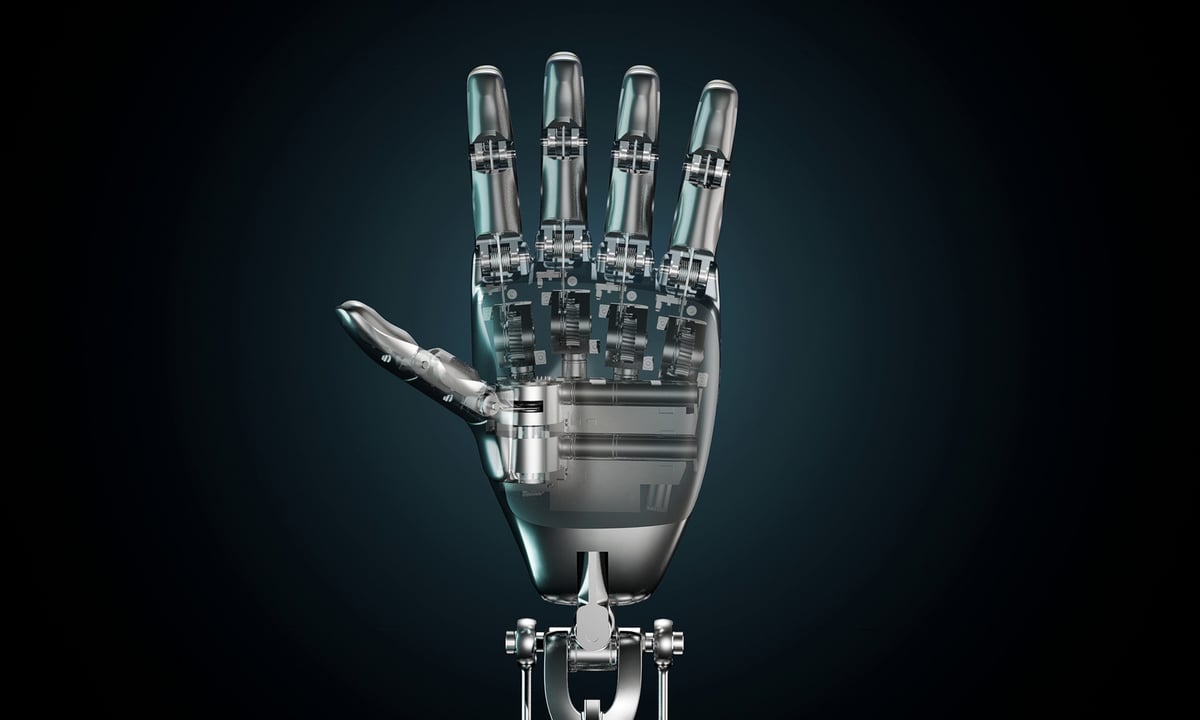
Tesla is strategically shifting its business focus toward robotics and artificial intelligence, positioning the Optimus humanoid robot as a catalyst for future growth. The autonomous robot initiative represents a significant expansion beyond the company's core electric vehicle operations, reflecting management's long-term vision for the technology sector.
The company faces headwinds in its traditional EV business, with recent reports indicating declining sales volumes and contracting profit margins. However, market participants have largely overlooked these near-term challenges, maintaining optimistic sentiment toward Tesla's broader technological ambitions. Analyst Dan Ives projects that successful commercialization of the Optimus platform and autonomous driving capabilities could drive Tesla's market capitalization to $2 trillion by the conclusion of 2026.
The timeline suggests investors are pricing in meaningful progress on both the robotics and full self-driving fronts within the next two years. Market performance will likely depend on Tesla's ability to demonstrate concrete milestones in these high-stakes development initiatives, as the transition from automotive manufacturer to diversified technology company hinges on successful execution.