
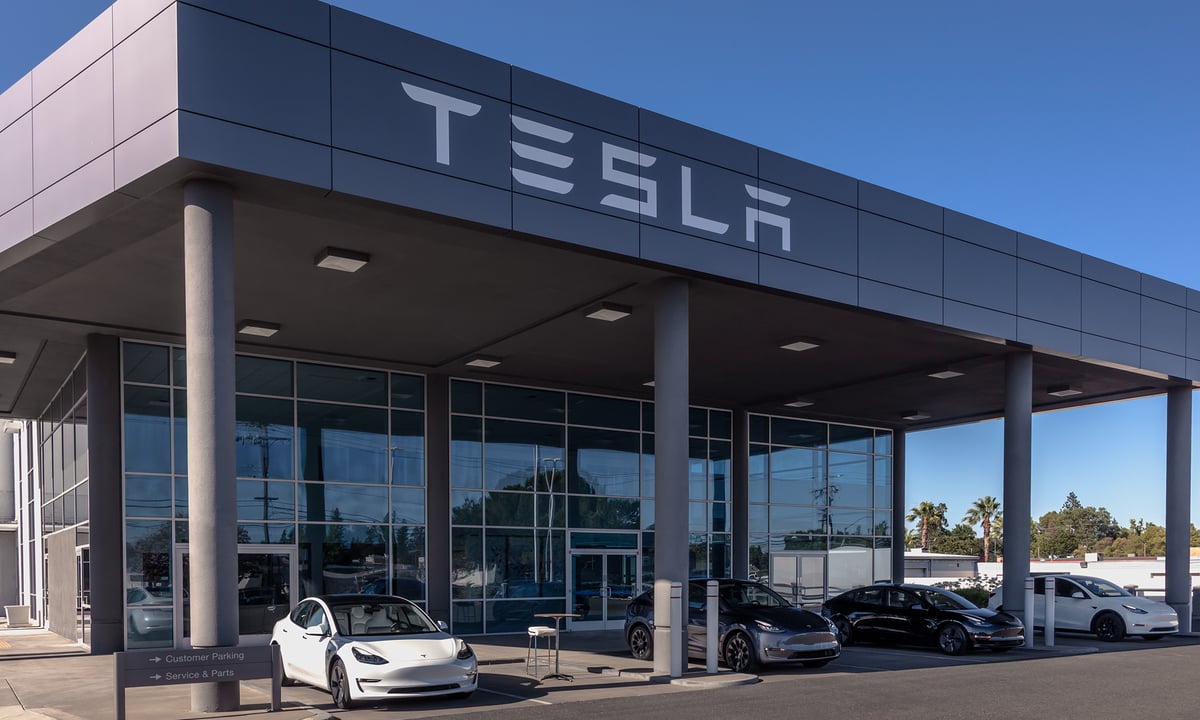
Tesla's stock has declined more than 5% year-to-date following fourth-quarter 2025 results that revealed significant operational headwinds. The electric vehicle manufacturer reported year-over-year declines across key metrics, including a 16% drop in vehicle deliveries to 495,570 units, alongside reduced revenue and profitability figures. The disappointing performance marks a notable shift for the company that has historically delivered growth metrics throughout recent market cycles.
The automotive company is redirecting capital and strategic focus toward emerging business segments including autonomous taxi services under the CyberCab brand, humanoid robotics through its Optimus division, and subscription-based Full Self-Driving capabilities. To support these initiatives, Tesla plans to substantially increase capital expenditures, potentially doubling them to exceed $20 billion annually. These ventures remain largely unproven in commercial scale, representing a significant departure from the company's established vehicle production business.
Valuation considerations present a notable constraint on investment appeal. Tesla currently trades at a forward price-to-earnings ratio of approximately 205, reflecting market expectations that new product lines must achieve exceptional commercial success to justify current pricing levels. Analysts note that even at modestly discounted valuations, the company would require blockbuster market adoption of its emerging ventures to support near-term valuations, presenting a considerable execution risk for investors.