
A Shoe Giant Stumbling: Nike's Performance Crisis
Nike ($NKE) finds itself at a critical juncture. The athletic apparel and footwear powerhouse has dramatically underperformed the broader market, with its stock declining 46% over the past three years while the S&P 500 climbed 74%—a performance gap that would concern any investor. This represents a significant erosion of shareholder value during a period when the overall market recovered from pandemic-era volatility and reached new heights. The company's stumble comes amid evolving consumer preferences, intensified competition, and internal operational challenges that have demanded urgent strategic intervention.
The appointment of Elliott Hill as CEO marks a decisive turning point in the company's recent history. Hill, who previously held significant leadership roles within Nike before departing, has returned to the helm with a clearly defined mandate: to stabilize the business and reignite growth through targeted strategic initiatives. His turnaround strategy represents management's acknowledgment that the status quo is untenable and that fundamental changes to how Nike operates are necessary to restore the company to its former competitive position.
The Turnaround Strategy: Three Pillars of Recovery
Elliott Hill's approach to revitalizing Nike rests on three interconnected strategic pillars, each addressing specific weaknesses that have contributed to the company's underperformance:
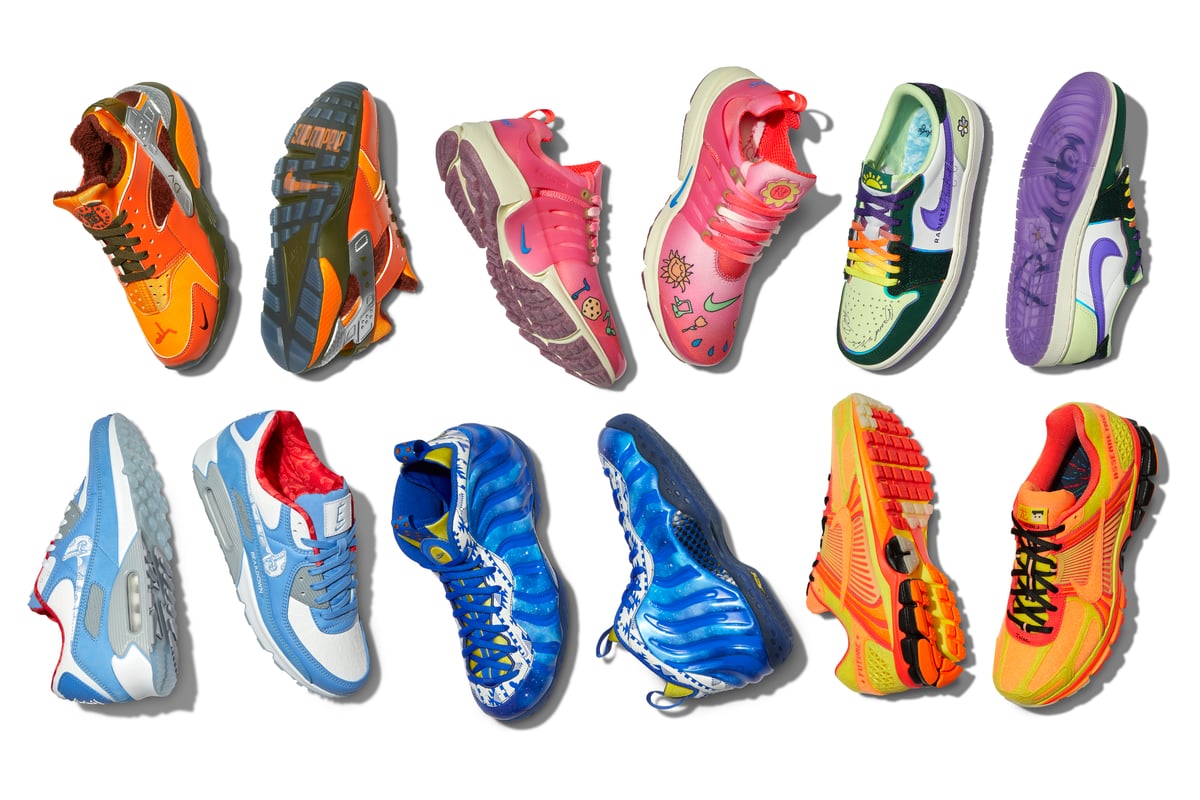
Product Innovation and Design Excellence forms the foundation of the turnaround. Nike must reassert its position as the premium innovator in athletic footwear and apparel, competing against increasingly sophisticated rivals. This involves accelerating the development cycle for new products, investing in cutting-edge materials and manufacturing technologies, and ensuring that each new launch captures consumer imagination and justifies premium pricing.
Wholesale Relationship Rebuilding represents perhaps the most critical operational priority. In recent years, Nike pursued an aggressive direct-to-consumer strategy, which strained relationships with key retail partners including major department stores and specialty athletic retailers. These wholesale channels remain essential distribution networks, and their alienation has created unnecessary friction in the supply chain and reduced market penetration. Restoring these partnerships while maintaining DTC momentum requires delicate negotiation and demonstrated commitment.
Margin Expansion addresses the profitability side of the equation. By optimizing manufacturing costs, improving supply chain efficiency, and maintaining pricing discipline, Nike can improve its bottom-line performance. This initiative is particularly crucial because gross margin pressure has been a persistent headwind, making it difficult to convert top-line growth into shareholder returns.
Analysts tracking the company project 9.2% annualized EPS growth through fiscal 2028, suggesting that if the turnaround succeeds according to plan, earnings per share should expand at a respectable pace. However, this projection carries significant caveats and depends heavily on flawless execution across all three strategic initiatives.
Market Context: A Competitive Landscape in Flux
Understanding Nike's challenges requires examining the broader athletic apparel and footwear sector. The industry has undergone substantial transformation over the past decade, driven by shifting consumer preferences toward athleisure, the rise of direct-to-consumer brands, and changing retail dynamics accelerated by the pandemic.
Nike's competitive position has eroded relative to both established rivals and emerging challengers. Competitors such as Adidas ($ADS), Puma ($PUM), and On Holding ($ONON) have gained market share through aggressive innovation and targeted marketing. Additionally, the fragmentation of athletic apparel into specialized categories—running, basketball, training, lifestyle—means that Nike can no longer rely on broad-based dominance.
The wholesale retail environment presents another layer of complexity. Traditional sporting goods retailers have consolidated and faced pressure from e-commerce disruption. Meanwhile, direct-to-consumer channels have matured, with consumer acquisition costs rising and brand loyalty becoming more volatile. This dual pressure has forced athletic apparel companies to recalibrate their distribution strategies and pricing approaches.
Regulatory and macroeconomic factors add additional uncertainty. Consumer spending patterns remain sensitive to inflation and interest rates, particularly in discretionary categories like premium athletic footwear. Supply chain vulnerabilities, particularly regarding manufacturing in Asia, continue to pose operational risks.
Investor Implications: Risk-Reward Calculus
For equity investors, Nike at this juncture presents a classic "value trap versus turnaround opportunity" dilemma. The stock's 46% decline has created a lower valuation entry point, which may be attractive to value-oriented investors. However, the company's challenges are genuine and multifaceted, and there is no guarantee that management's turnaround strategy will succeed within the projected timeframe.
Several considerations should inform investment decisions:
-
Execution Risk: Turnarounds are inherently risky. Even well-conceived strategies often encounter implementation challenges, market headwinds, or competitive responses that derail management plans. The three-year outlook to fiscal 2028 provides a reasonable timeframe for assessment, but patience and tolerance for volatility are essential.
-
Competitive Dynamics: The athletic apparel sector has become more competitive, and complacency is no longer viable. Nike must continuously innovate and defend market share against both legacy competitors and upstart brands.
-
Consumer Sentiment: Brand equity remains Nike's greatest asset, but it is not immutable. Consumer preferences shift, and maintaining relevance with both legacy customers and younger demographics requires constant cultural alignment.
-
Margin Sustainability: While margin expansion is achievable, sustaining elevated margins in an increasingly competitive market will be challenging. Price elasticity and competitive pressure may limit Nike's ability to maintain pricing discipline.
The 9.2% projected EPS growth through fiscal 2028 should be viewed as a baseline scenario under relatively favorable assumptions. Downside scenarios involving slower turnaround progress, increased competitive pressure, or macroeconomic headwinds could easily result in lower returns or additional share price declines.
Investor suitability analysis suggests that only patient, risk-tolerant investors should consider initiating positions at current levels. Those with lower risk tolerance or shorter investment horizons should await greater evidence of turnaround progress before committing capital. Conversely, investors with longer time horizons and the capacity to withstand volatility may find the risk-reward profile sufficiently attractive, particularly given the depressed valuation.
Looking Ahead: The Three-Year Test
Nike stands at a crossroads. Under Elliott Hill's leadership, the company has articulated a coherent strategy to address its fundamental challenges. The next three years will be critical in determining whether management can successfully execute this agenda and restore the company to competitive prominence.
Success would validate the turnaround thesis and likely drive substantial stock appreciation, particularly if the company achieves or exceeds the projected 9.2% EPS growth. Failure, by contrast, could result in further market share losses and additional shareholder value destruction. The uncertainty inherent in this outcome makes Nike a fundamentally different investment proposition than the defensive, stable-growth business many investors believed they owned just a few years ago.
For equity market participants, monitoring Nike's progress toward these strategic objectives—quarterly earnings releases, wholesale partnership announcements, new product launches, and market share data—will provide essential signals regarding turnaround momentum. The next three years will determine whether Nike can successfully navigate its current challenges and reclaim its position as the dominant force in global athletic apparel and footwear.