
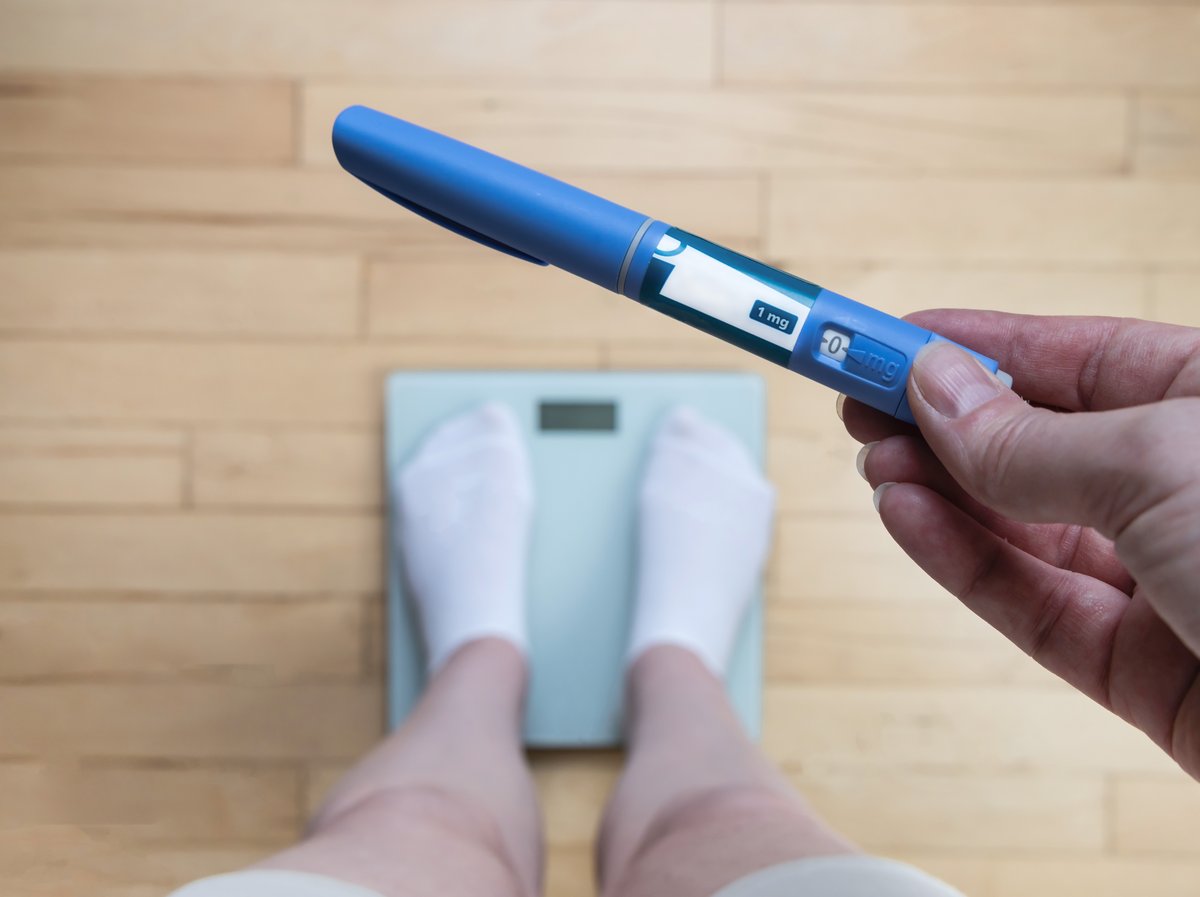
Novo's Competitive Challenge in the Booming Obesity Market
Novo Nordisk faces a significant setback in the high-stakes obesity drug race after its experimental treatment Kagrama demonstrated inferior weight-loss efficacy compared to Eli Lilly's Zepbound in an 84-week clinical trial. The disappointing results represent a critical juncture for the Danish pharmaceutical giant, which has aggressively positioned itself to capitalize on the explosive growth of the GLP-1 receptor agonist market. The trial outcome has immediately raised questions about Novo's competitive positioning in what has become one of the most lucrative therapeutic categories in modern medicine, potentially reshaping investor expectations for the company's obesity franchise and its ability to maintain market share against increasingly formidable competition.
The setback comes at a particularly vulnerable moment for Novo Nordisk ($NVO), as the global obesity market experiences unprecedented expansion. With obesity affecting approximately 1 billion people worldwide and only a fraction receiving pharmaceutical treatment, the addressable market potential has attracted intense competition and substantial capital allocation from major pharmaceutical companies. Eli Lilly ($LLY), meanwhile, has capitalized on strong efficacy data and robust demand for Zepbound, securing its position as the market leader in this emerging category. For Novo, which developed the foundational GLP-1 technology through its blockbuster diabetes drug Ozempic, the trial results suggest that its obesity offerings may struggle to differentiate in an increasingly crowded competitive landscape.
Key Details: Trial Results and Clinical Implications
The 84-week trial data reveals a meaningful gap between Kagrama's weight-loss performance and the efficacy demonstrated by Zepbound in comparable studies. While specific weight-reduction percentages remain subject to full data analysis and publication, the trial results showed sufficient underperformance relative to Eli Lilly's leading obesity treatment to trigger immediate reassessment from investors and market analysts. This differential efficacy carries substantial implications for patient outcomes and real-world adoption rates, as healthcare providers and patients increasingly make treatment selections based on demonstrated clinical benefits.
Key considerations from the trial results include:
- Clinical efficacy gap: Kagrama demonstrated weaker weight-loss outcomes than Zepbound in the direct comparative context
- Trial duration: The 84-week timeframe provides extended follow-up data, offering insights into durability and sustained benefit
- Competitive baseline: Results highlight Zepbound's emerging position as the clinical standard against which other obesity treatments are measured
- Market messaging challenges: Novo faces difficulty in marketing a secondary obesity option in a market increasingly dominated by a perceived leader
The timing of these results amplifies their competitive impact. Novo Nordisk had been working to establish Kagrama as a meaningful alternative in the obesity market, betting on factors such as dosing convenience or safety profiles to offset any efficacy differences. However, when head-to-head efficacy becomes the primary differentiator—as it has in the GLP-1 obesity space—a clinical disadvantage becomes exceptionally difficult to overcome from a market positioning perspective.
Market Context: The GLP-1 Revolution and Competitive Dynamics
The obesity drug market represents one of the most significant pharmaceutical opportunities of the past decade, with analyst estimates suggesting potential annual peak sales exceeding $100 billion globally. This extraordinary market potential has fundamentally reshaped pharmaceutical strategy and capital allocation. Novo Nordisk, through its development of GLP-1 technology originally designed for diabetes management, held early-mover advantages and significant expertise in this therapeutic area. The company's Ozempic and Wegovy became household names, generating substantial revenues and establishing Novo as a central player in metabolic disease management.
However, Eli Lilly has emerged as an increasingly formidable competitor, developing tirzepatide-based therapies that combine GLP-1 and GIP receptor agonist mechanisms. This dual-action approach has demonstrated superior weight-loss efficacy in clinical trials compared to GLP-1-only formulations, positioning Zepbound as the clinical leader in the obesity space. Eli Lilly's strong execution in bringing Zepbound to market and managing supply constraints has reinforced investor confidence in the company's obesity franchise.
The competitive landscape also includes emerging players and alternative mechanisms:
- Amgen ($AMGX): Developing next-generation obesity treatments with distinct mechanisms
- Structure Therapeutics and other smaller biotech firms exploring novel GLP-1 variants
- Roche and other companies exploring oral formulations and alternative delivery methods
- Viking Therapeutics and others pursuing combination therapies
In this context, Novo Nordisk's Kagrama trial miss represents not merely a single clinical disappointment but rather evidence of competitive erosion in a market where the company once held dominant positioning. The result validates investor concerns about Novo's ability to compete against Eli Lilly's superior efficacy profile and increasingly established market presence.
Investor Implications: Revenue Growth and Valuation Pressure
The trial results carry immediate and material implications for Novo Nordisk shareholders. The company's obesity growth trajectory—a critical component of investor thesis supporting current valuation multiples—now faces downward revision. Analysts covering the company will likely reduce obesity-related revenue forecasts, particularly for mid-to-late cycle peak sales estimates for Kagrama. The reduction in obesity growth expectations directly impacts Novo's overall earnings forecasts and may pressure the company's equity valuation, as investors reassess the company's long-term growth profile.
For shareholders, several critical questions now demand answers:
- Market penetration: Will Novo's obesity franchise—including Wegovy—lose prescriber and patient share to Zepbound as awareness of efficacy differences spreads?
- Pricing strategy: Can Novo maintain pricing power for Wegovy and other offerings if Zepbound becomes the clinically preferred option?
- Pipeline alternatives: Does Novo have sufficient late-stage obesity assets to compensate for Kagrama's weakness?
- Strategic pivot: Will Novo pursue alternative strategies such as combination therapies or novel mechanisms to regain competitive positioning?
The market reaction to these results will likely produce several divergent effects. Novo Nordisk equity faces downward pressure as investors reprice growth expectations and potential peak sales for the obesity franchise. Conversely, Eli Lilly ($LLY) likely benefits from reinforced conviction regarding Zepbound's market leadership and durability. Investors should monitor whether Novo responds with strategic announcements—potentially including partnerships, acquisitions, or accelerated development of alternative obesity assets—to restore confidence in the company's competitive positioning.
From a sector perspective, the Novo setback reinforces the emerging reality that obesity drug development has developed clear clinical leaders and followers. Market consolidation around the most efficacious options appears likely, potentially reducing total addressable market for secondary alternatives. This dynamic favors companies with genuinely differentiated mechanisms or superior efficacy profiles.
Looking Forward: Strategic Imperatives for Novo
Novo Nordisk faces a critical juncture requiring decisive action to maintain investor confidence and market competitiveness. The company must clearly articulate how it plans to compete in an obesity market increasingly defined by Eli Lilly's efficacy leadership. Whether through enhanced development of Wegovy, exploration of combination therapies, or acceleration of alternative pipeline assets, Novo must demonstrate a credible path to sustained obesity market relevance.
The obesity drug market remains large enough to support multiple profitable competitors, but Novo's position—once seemingly unassailable—now requires active defense and offensive innovation. Investors should expect management commentary addressing competitive strategy, potential pipeline acceleration, and reassessment of peak sales assumptions for obesity assets. The coming months will prove critical in determining whether this trial disappointment represents a temporary setback or the beginning of meaningful market share erosion that fundamentally reshapes the obesity drug competitive landscape.