
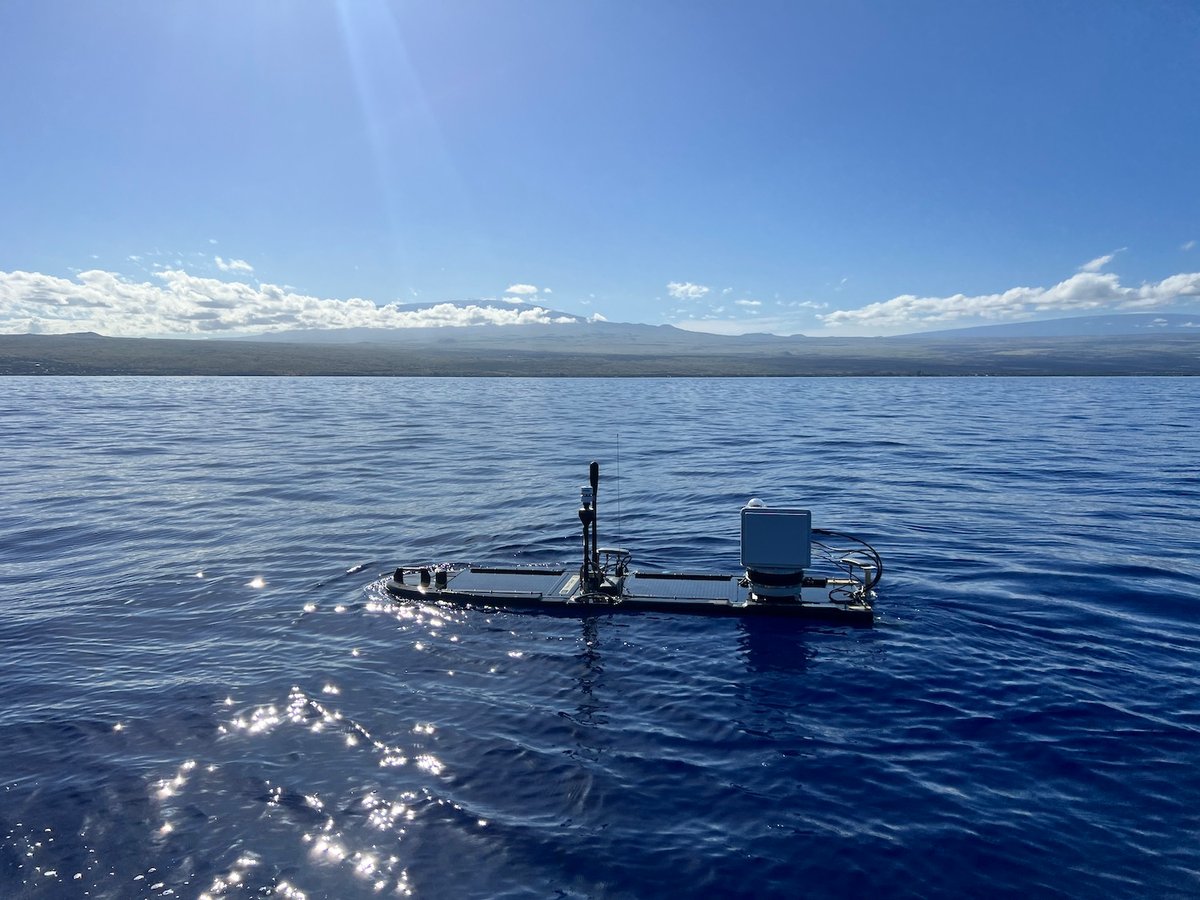
Boeing's Liquid Robotics Lands $25M Japan Defense Contract
Boeing's autonomous maritime subsidiary has secured its first major government defense contract, marking a significant milestone for the company's ocean robotics division. Liquid Robotics, acquired by Boeing in 2016, will supply 20 Wave Glider unmanned surface vehicles to Japan under a $25 million agreement, underscoring growing international demand for autonomous naval surveillance and defense capabilities in an increasingly contested Indo-Pacific region.
Key Details of the Contract
The Japan defense contract represents a watershed moment for Liquid Robotics' commercial trajectory since Boeing's acquisition eight years ago. According to the deal parameters:
- Total contract value: $25 million
- Quantity: 20 Wave Glider unmanned surface vehicles
- Unit price: Approximately $830,000 per vehicle (calculated from total value)
- Previous unit cost: $300,000 at the time of Boeing's 2016 acquisition
- Price appreciation: Nearly 177% increase per unit since acquisition
The dramatic per-unit price escalation reflects both the technological advancement of the Wave Glider platform and the premium pricing power that Boeing commands for defense applications. The shift from commercial marine research pricing to military-grade defense contracts fundamentally alters the economics of Liquid Robotics' business model. The Japanese military's willingness to pay this premium demonstrates strong international confidence in the platform's capabilities and reliability for strategic maritime operations.
Japan's procurement of these autonomous systems coincides with broader regional defense modernization efforts and growing naval tensions in the Taiwan Strait and South China Sea. The contract underscores Tokyo's commitment to leveraging cutting-edge autonomous technologies for extended maritime surveillance and reconnaissance operations—missions where persistent, unmanned platforms offer substantial operational advantages over traditional surface vessels.
Market Context and Competitive Landscape
Liquid Robotics operates within a rapidly expanding autonomous naval systems market that has attracted significant government investment and private capital. The company competes in an ecosystem that includes established defense contractors and specialized maritime robotics firms developing unmanned surface vessels, underwater drones, and autonomous surveillance platforms.
The broader context for this contract includes:
- Growing Indo-Pacific tensions driving allied defense spending in maritime capabilities
- Japan's defense budget expansion as the country confronts geopolitical headwinds
- International demand for persistent autonomous surveillance in contested waters
- Technology integration of AI, maritime autonomy, and networked defense systems
- Supply chain resilience concerns driving allied nations toward trusted suppliers
The Japanese defense sector has been modernizing aggressively, with Tokyo allocating increased resources to maritime and air defense capabilities. By choosing Boeing's Liquid Robotics platform, Japan is betting on proven technology from a trusted U.S. defense contractor at a critical moment when autonomous capabilities offer strategic advantages in extended maritime operations. This contract validates the commercial viability of the Wave Glider platform in defense applications and potentially opens additional procurement opportunities with other allied nations seeking similar capabilities.
Investor Implications
For $BA shareholders, this contract represents several important dimensions:
Revenue Recognition and Segment Performance: The $25 million contract will flow through Boeing's Defense, Space & Security (BDS) segment, which has faced operational challenges but remains a critical revenue stream. This international defense win demonstrates that Boeing's portfolio extends beyond commercial aerospace into strategically valuable autonomous systems with substantial margin potential.
Pricing Power and Margins: The near-tripling of unit economics since acquisition reveals significant margin expansion opportunities. Moving from $300,000 commercial units to $830,000 defense-grade systems suggests healthy gross margins that exceed typical aerospace manufacturing benchmarks. This pricing trajectory could prove attractive to investors concerned about Boeing's overall margin compression in commercial aviation.
Market Expansion and Recurring Opportunities: Japan's procurement of 20 units likely represents an initial order with potential for follow-on contracts, spares, and logistics support. If the Wave Gliders perform effectively in Japanese service, allied nations including Australia, South Korea, and potentially NATO members may follow with their own procurement initiatives. This creates a potential installed-base model for long-term revenue generation.
Strategic Asset Value: Liquid Robotics demonstrates that Boeing's 2016 acquisition has matured into a commercially viable defense platform. In an era when investors scrutinize Boeing's capital allocation and acquisition strategy, this contract provides evidence that the company's portfolio diversification beyond traditional commercial aviation is bearing fruit. The autonomous naval systems market could represent an underappreciated growth vector within Boeing's defense business.
Geopolitical Tailwinds: U.S. defense contractors benefit substantially from allied nations' accelerating military modernization. Japan's procurement signals strong demand momentum for autonomous capabilities among like-minded nations facing shared security concerns. This creates a favorable environment for Boeing to pursue similar contracts across the Indo-Pacific region.
However, investors should note that a single $25 million contract, while strategically significant, represents a modest percentage of Boeing's overall revenue base. The company generated approximately $66 billion in annual revenue in recent fiscal years, meaning this contract contributes less than 0.04% of annual sales. The significance lies more in trend validation and market opportunity validation than immediate financial impact.
Looking Forward
Boeing's Liquid Robotics division has successfully demonstrated the commercial viability of autonomous surface vehicles in defense applications. The Japan contract represents not merely a $25 million transaction but rather validation that the autonomous maritime systems market is maturing into significant government procurement opportunities. The tripling of unit prices reflects the transition from niche commercial research tools to purpose-built military systems with substantial capability premiums.
For the defense industry broadly, this contract exemplifies how autonomous technologies are reshaping naval warfare concepts. Nations increasingly recognize that unmanned systems offer persistent surveillance, reduced crew risk, and extended operational range—advantages that drive substantial procurement budgets. As allied navies modernize their fleets, platforms like the Wave Glider will likely see expanded demand.
Investors tracking Boeing's transformation should monitor whether this Japan success translates into additional international defense contracts. If Liquid Robotics can replicate this success across allied nations in the Indo-Pacific and Europe, the subsidiary could become a meaningful contributor to Boeing's BDS segment profitability and growth trajectory—potentially offsetting headwinds in commercial aviation and space systems.