
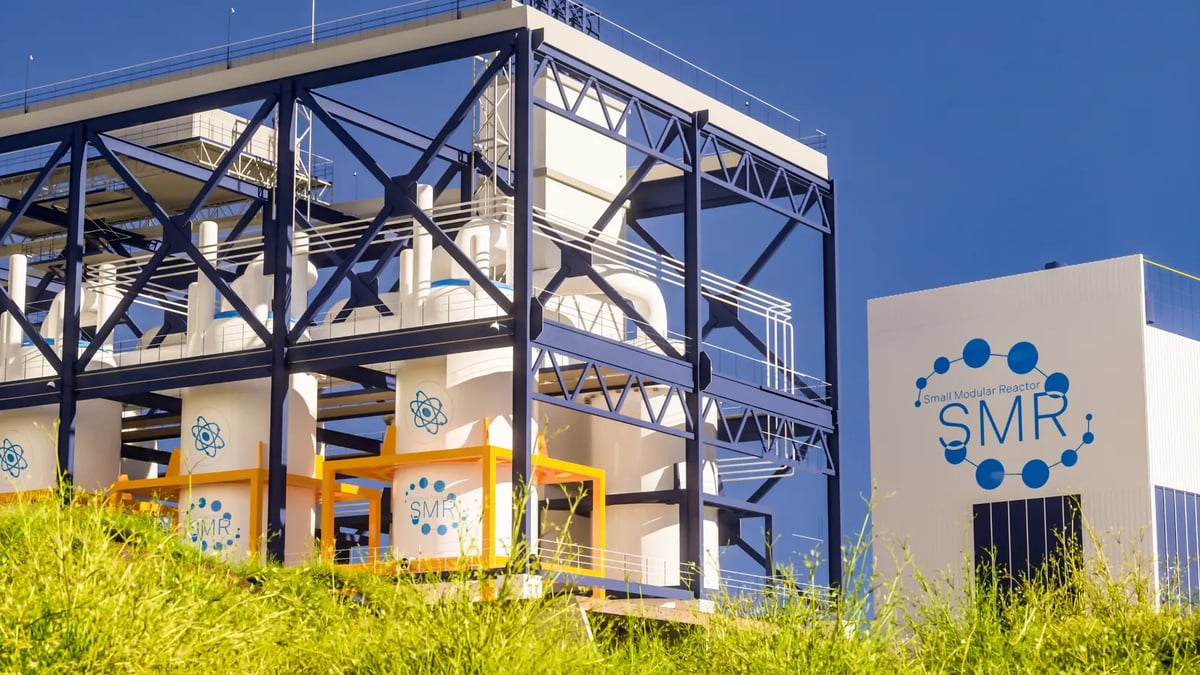
The Next Generation of Nuclear Energy
NuScale Power, an Oregon-based nuclear energy company, has emerged as a compelling investment thesis for the next decade as artificial intelligence and data centers drive unprecedented electricity demand. The company is the only U.S. firm to secure NRC-approved small modular reactor (SMR) design, positioning it uniquely in a nascent but rapidly expanding market. As global tech giants race to power energy-intensive AI operations, NuScale's innovative approach to nuclear energy could transform how America meets its future power needs.
The company's strategic positioning extends beyond domestic ambitions. NuScale is actively pursuing international projects, including operations in Romania and collaborations with the Tennessee Valley Authority (TVA), one of the nation's largest power producers. These partnerships underscore growing confidence in SMR technology as a viable solution to the clean energy puzzle that has vexed policymakers and investors for decades.
The Case for NuScale
Bank of America has identified a staggering $10 trillion nuclear energy market opportunity, reflecting Wall Street's growing conviction that nuclear power will play a critical role in the global energy transition. Small modular reactors represent a paradigm shift from traditional large-scale nuclear plants, offering:
- Smaller capital requirements compared to conventional reactors
- Factory construction reducing on-site construction risks and delays
- Flexible deployment suitable for remote locations and industrial applications
- Scalable power generation aligned with diverse customer needs
The regulatory approval of NuScale's design is particularly significant. Securing NRC approval demonstrates that the company's technology meets stringent U.S. safety and performance standards—a critical hurdle that separates serious contenders from speculative ventures. This approval positions NuScale ahead of competitors and validates years of research and development investment.
The emerging market for AI data centers represents a powerful tailwind for nuclear power providers. Major cloud and AI companies—including operations at companies like Microsoft, Google, and Meta—require enormous, consistent power supplies that coal and natural gas cannot sustainably provide. Nuclear energy, with its 24/7 reliability, zero carbon emissions, and small physical footprint, addresses this demand perfectly. Unlike solar and wind, which depend on weather conditions, nuclear power offers the baseline capacity that data centers demand.
Financial Reality Tempers Optimism
Despite compelling long-term prospects, investors must acknowledge significant near-term challenges. NuScale remains unprofitable and has not yet secured a confirmed first commercial sale. This creates substantial execution risk—the company must demonstrate it can not only design reactors but manufacture and deploy them at cost-competitive prices.
The path from regulatory approval to revenue generation typically requires years of construction, testing, and operational validation. First-mover advantages in nuclear technology can be substantial, but they come with first-mover risks. Supply chain complexities, regulatory hurdles at the project level, and capital intensity all present obstacles that could delay revenue realization.
The company's financial runway and funding requirements warrant close scrutiny. Developing and commercializing nuclear technology demands patient capital and investor tolerance for extended development timelines. Any disruption to funding or project delays could materially impact shareholder returns.
Market Context and Competitive Landscape
NuScale operates within a broader nuclear renaissance driven by climate imperatives and energy security concerns. The U.S. nuclear sector has historically struggled with cost overruns and long construction timelines, but the SMR concept promises to overcome these historical impediments. However, NuScale faces emerging competition from other SMR developers and international players exploring similar technologies.
The renewable energy sector, while growing rapidly, cannot single-handedly meet global power demands, particularly the specialized requirements of industrial applications and data centers. This creates a credible thesis for nuclear's role in a diversified energy portfolio. Regulatory tailwinds are also favorable—both the U.S. government and many state administrations have signaled support for nuclear expansion through subsidies, tax credits, and streamlined permitting processes.
The TVA partnership is particularly noteworthy, as it represents validation from one of America's most established utility operators. If the TVA deployment succeeds, it could catalyze broader industry adoption and unlock additional revenue streams for NuScale.
Investment Implications
For investors with extended time horizons and risk tolerance for development-stage companies, NuScale represents an intriguing long-term opportunity. The combination of proven regulatory approval, substantial market demand from AI and data centers, and a multi-trillion dollar addressable market creates compelling upside potential.
However, this opportunity comes with substantial caveats:
- Execution risk remains high; the company must deliver projects on schedule and within budget
- Profitability timelines are uncertain and could extend beyond current guidance
- Capital requirements for manufacturing and deployment could necessitate additional fundraising
- Competitive dynamics may intensify as others pursue SMR development
NuScale is not a play for conservative investors seeking stable cash flows. Rather, it represents a leveraged bet on nuclear energy's critical role in powering the AI-driven future. The investment thesis depends on successful project execution, market adoption, and the company's ability to achieve cost-competitive manufacturing at scale.
The nuclear energy sector's transformation is only beginning. As data centers consume ever-greater amounts of electricity and climate regulations tighten, the margin for error in America's energy infrastructure narrows. NuScale Power, assuming successful execution, could occupy a central position in meeting these demands. The next decade will determine whether the company can transform from an interesting technology story into a genuine powerhouse of American industrial development.