
Hydrogen vs. Nuclear: Which Energy Stock Wins the AI Data Center Race?
As artificial intelligence infrastructure demands skyrocket, two competing energy technologies are vying to power the next generation of data centers: Plug Power ($PLUG), a hydrogen fuel cell pioneer, and Oklo Inc. ($OKLO), an emerging small modular reactor (SMR) developer. While both companies are positioned to capitalize on the explosive growth in AI-driven energy consumption, their approaches differ fundamentally—and early indicators suggest one may have a decisive advantage in capturing this transformative market opportunity.
The Competing Technologies and Current Market Position
The energy demands of modern AI data centers have created an unprecedented opportunity for alternative power generation. Major technology companies are desperately seeking reliable, scalable, and carbon-neutral energy sources to support their compute-intensive operations. This urgency has created a dual-track competition between two distinctly different approaches:
Plug Power, the more established player, has built its reputation on hydrogen fuel cell technology. The company has spent years developing infrastructure for hydrogen production, storage, and fuel cell systems, with particular success in the logistics and materials handling sectors. Their proven track record includes:
- Decades of operational experience in hydrogen fuel cells
- Established supply chain relationships and manufacturing capabilities
- Current contract portfolio heavily concentrated in logistics and warehouse automation
- Demonstrated ability to produce and distribute hydrogen at scale
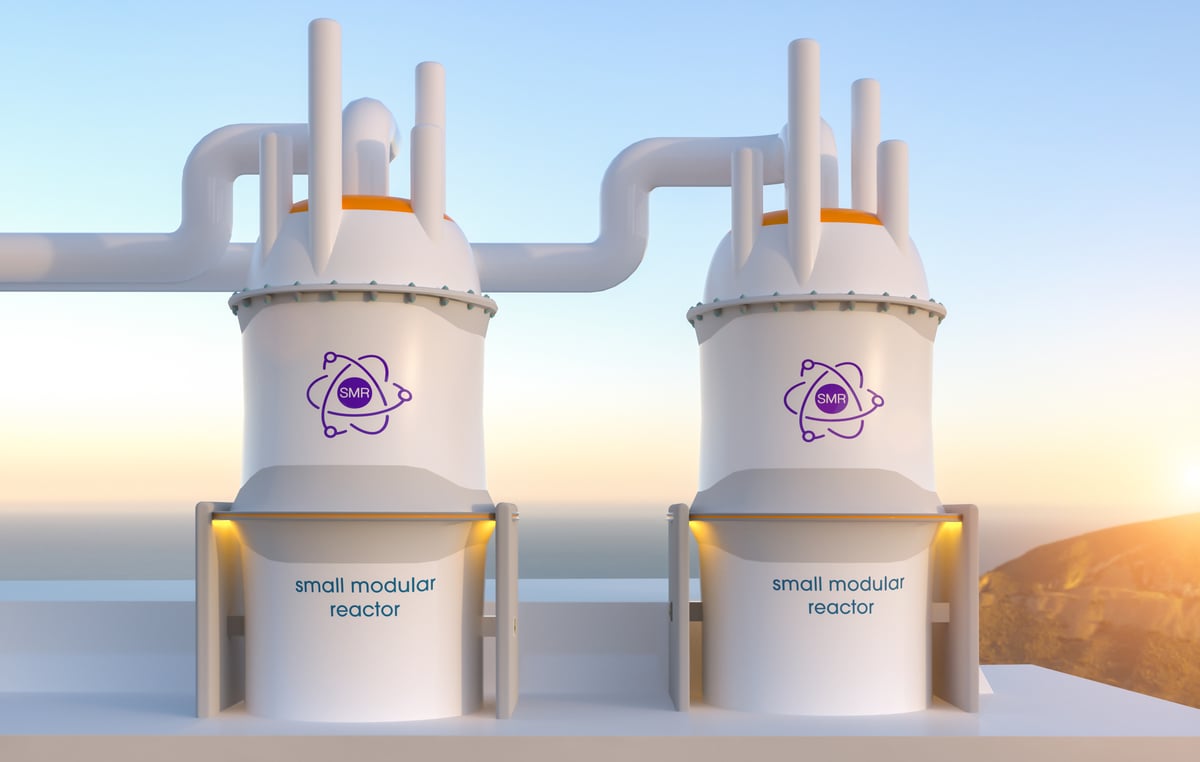
Oklo Inc., by contrast, represents a newer paradigm in clean energy: small modular reactors. These compact nuclear facilities promise:
- Significantly lower projected operating costs compared to traditional nuclear plants
- Modular design allowing for deployment in diverse geographic locations
- High power density—generating substantial electricity in a smaller physical footprint
- Strategic partnerships with major technology companies seeking reliable baseload power
The critical distinction lies not merely in technology maturity, but in market alignment. Oklo has secured strategic partnerships with major AI infrastructure players, positioning itself as the preferred partner for enterprises building next-generation data centers. In contrast, Plug Power's current revenue streams remain heavily dependent on logistics applications, a sector with fundamentally different characteristics than mission-critical data center power requirements.
Market Context: Why AI Data Centers Are Transforming Energy Markets
The AI boom has fundamentally altered energy market dynamics. Data centers powering large language models, generative AI platforms, and neural network training consume extraordinary amounts of electricity. Industry analysts project that AI-related data center power consumption could account for a substantial and growing percentage of global electricity demand within the next decade.
This creates an unprecedented competitive opportunity, but with strict requirements:
- Reliability: Data center operators require 24/7 power availability with minimal downtime
- Scalability: Solutions must accommodate rapid growth in compute capacity
- Environmental credentials: Major tech companies face investor pressure and regulatory requirements for carbon neutrality
- Cost efficiency: Operating margins depend on keeping energy costs manageable at massive scale
- Site flexibility: Not all locations can accommodate traditional large-scale nuclear plants or extensive hydrogen infrastructure
The competitive landscape extends beyond $PLUG and $OKLO. Traditional utility companies, renewable energy developers, and other nuclear technology firms are actively pursuing data center power contracts. However, the fundamental advantage for specialized providers lies in their ability to offer solutions optimized specifically for data center requirements rather than retrofitting existing infrastructure.
Oklo's competitive positioning appears stronger on multiple dimensions:
- Operating cost advantage: Projected costs are substantially lower than both Plug Power's hydrogen operations and traditional nuclear facilities
- Enterprise partnerships: The company has already secured relationships with major AI infrastructure companies, signaling market confidence
- Technical alignment: SMR baseload power matches data center operational requirements better than intermittent or fuel-dependent solutions
- Scalability without logistics: Unlike hydrogen, which requires distribution infrastructure, SMRs can be deployed modularly at or near data center locations
Plug Power faces structural challenges in competing for this market:
- Logistics heritage: The company's operational expertise and existing relationships are concentrated in materials handling, not power generation
- Infrastructure requirements: Hydrogen fuel cells require extensive supply chain development for hydrogen production, storage, and delivery
- Operating economics: Current hydrogen production and distribution costs remain higher than nuclear alternatives for comparable power output
- Market positioning: Lacks the strategic partnerships with major AI companies that Oklo has already cultivated
Investor Implications: Divergent Trajectories Ahead
For equity investors evaluating these competing energy plays, the divergence in market positioning carries significant implications. Oklo Inc. appears positioned for accelerated growth capturing the high-margin, high-reliability segment of data center power demand. The company's partnerships with technology sector leaders suggest confidence in its technological roadmap and business model. Moreover, the SMR approach addresses a genuine market gap: reliable, scalable, geographically flexible baseload power without the industrial-scale hydrogen infrastructure requirements.
Investors considering $OKLO should monitor:
- Execution on announced partnerships and deployment timelines
- Regulatory approvals for SMR licensing and operation
- Competitive responses from traditional nuclear and renewable energy companies
- Customer expansion beyond initial technology sector partnerships
Plug Power faces a more challenging investor scenario. The company must successfully pivot from logistics-focused fuel cell applications to competing in the data center power market. This requires:
- Establishing new partnerships with AI infrastructure companies
- Demonstrating hydrogen's cost competitiveness against emerging nuclear alternatives
- Building or partnering for hydrogen production and distribution infrastructure at scale
- Marketing hydrogen as a superior solution despite apparent cost disadvantages
The broader market context matters as well. Regulatory environments increasingly favor zero-carbon energy sources, providing tailwinds for both technologies. However, the specific regulatory pathway for SMRs appears clearer and more advanced than for large-scale hydrogen deployment. Nuclear licensing frameworks exist and are being modernized; hydrogen infrastructure regulation remains nascent.
From a portfolio perspective, $OKLO represents exposure to a technology-enabled play on the AI infrastructure boom with favorable competitive positioning. $PLUG represents a more speculative bet requiring significant market repositioning and overcoming apparent structural cost disadvantages. Investors prioritizing quality of competitive moat and partnership validation would likely favor Oklo, while those seeking higher-risk exposure to hydrogen's long-term potential might consider Plug Power for a smaller position.
Looking Forward: The Energy Competition Heats Up
The race to power AI data centers is only beginning, and both companies will likely find market opportunities. However, the evidence suggests Oklo Inc. has captured the strategic advantage through superior unit economics, proven partnerships with marquee customers, and a business model better aligned with data center operational requirements. Plug Power's hydrogen fuel cell expertise remains valuable, but pivoting from logistics to power generation represents a significant challenge.
Investors should expect continued announcements from both companies regarding partnerships, deployments, and cost reductions. Watch for quarterly updates on customer pipeline development, operating cost metrics, and regulatory progress. The ultimate winner will be determined not by technology merit alone, but by execution, market acceptance, and the ability to deliver on promised performance at scale—advantages that currently appear to favor Oklo's modular nuclear approach.