
Brent crude oil briefly topped $119 per barrel this week, marking the latest volatility spike in global energy markets as Iran ramped up retaliatory attacks on gas and oil infrastructure across the Persian Gulf region. The escalation, triggered by Israel's strike on Iran's South Pars natural gas field, has reignited geopolitical tensions that threaten to disrupt one of the world's most critical energy chokepoints and sent shockwaves through oil markets already grappling with supply uncertainty.
The spike underscores the fragility of global energy supplies and the outsized influence of Middle Eastern geopolitics on international commodity prices. For investors, the implications are profound—affecting everything from energy sector valuations to inflation expectations and broader portfolio risk management.
The Attack and Its Immediate Impact
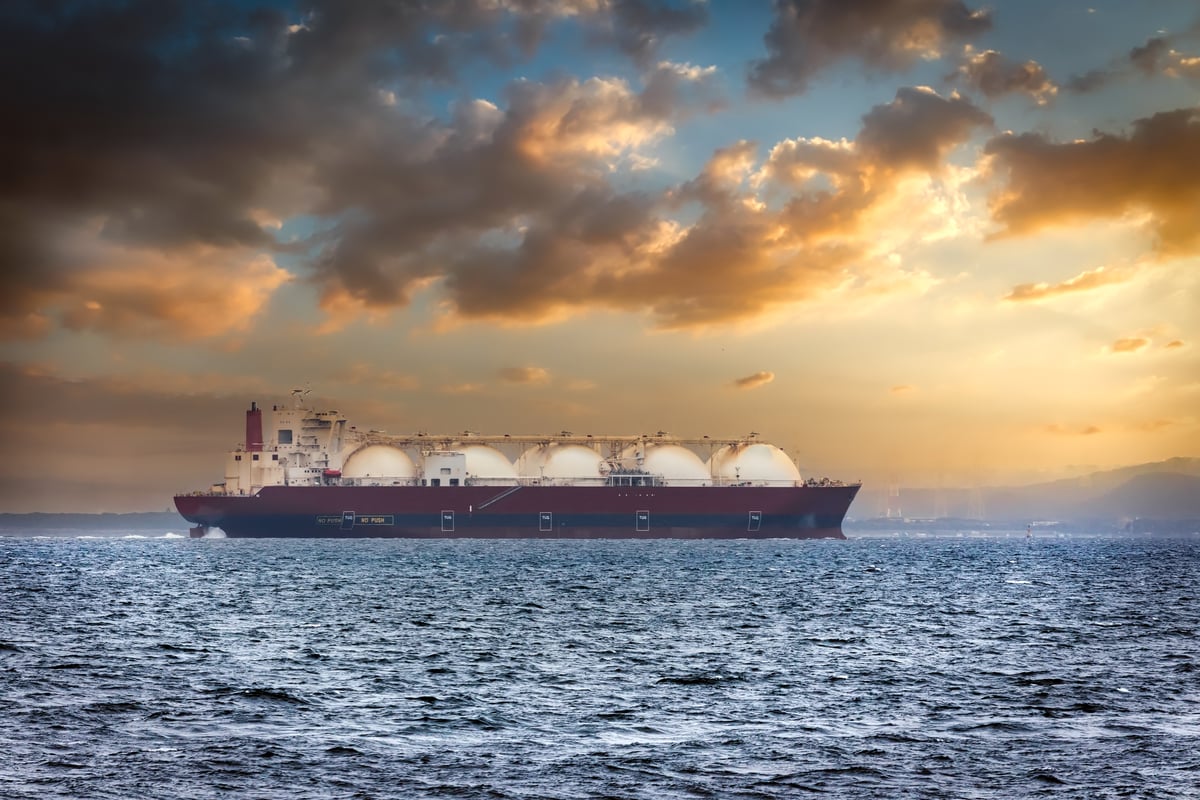
Iran's retaliatory strikes targeted critical energy infrastructure in the Persian Gulf, with particularly severe consequences for Qatar's liquefied natural gas (LNG) export terminals. The attacks damaged these facilities significantly, reducing Qatar's LNG export capacity by 17%, a substantial blow to one of the world's largest LNG exporters. Critically, repairs to the damaged infrastructure are expected to take 3 to 5 years to complete, meaning this capacity reduction will persist as a medium-term supply constraint.
The timing compounds existing market tightness:
- Brent crude is up 80% year-to-date, reflecting cumulative geopolitical premiums
- WTI (West Texas Intermediate) has surged 70% in the same period
- The $119 spike represents a significant intraday volatility event in an already elevated price environment
- Qatar's LNG capacity reduction removes approximately 17% of export volume from an already tight global LNG market
Beyond the direct infrastructure damage, Iran continues threatening oil tankers navigating the Strait of Hormuz, a waterway through which approximately 20% of global crude oil flows. This threat adds a persistent risk premium to oil prices and raises insurance costs for vessels transiting the region, further pressuring energy sector economics.
Market Context: A Volatile Energy Landscape
The current energy market environment reflects multiple overlapping tensions:
Geopolitical Risk Premium: The Middle East remains the epicenter of global oil supply vulnerability. With the Strait of Hormuz serving as the sole export route for a significant portion of OPEC production, any disruption—whether from military action, blockades, or infrastructure attacks—has outsized pricing power. This risk is now embedded in crude valuations, with traders pricing in the possibility of supply interruptions.
LNG Market Tightness: Global LNG markets have been tight following elevated demand in Asia and Europe, particularly as countries seek alternatives to Russian natural gas. Qatar's 17% capacity reduction directly removes supply from this constrained market, likely keeping LNG prices elevated for years. The repair timeline extending to 5 years means this is not a temporary shock but a structural change to global supply curves.
Energy Sector Strength: Major integrated energy companies with Gulf operations—including those with significant upstream presence in Qatar, the UAE, and Saudi Arabia—have benefited substantially from elevated commodity prices. However, escalating geopolitical risk also increases operational uncertainty and insurance/security costs for these players.
Inflation and Monetary Policy Implications: Sustained crude oil above $100/barrel and LNG supply constraints feed into global inflation dynamics. Central banks monitoring energy-driven price pressures face difficult policy decisions, as energy supply shocks largely sit outside their control mechanisms. This creates potential headwinds for rate-sensitive assets including equities and fixed income.
Investor Implications: Risk and Opportunity
The current oil market setup presents several critical considerations for portfolio managers:
Energy Sector Valuations: Energy stocks have performed exceptionally well this year, with crude's 80% YTD rally and supply concerns supporting sector fundamentals. However, the valuation question hinges on whether current prices are sustainable or represent a geopolitical peak. Extended supply disruptions would support higher valuations; conversely, any resolution of Middle East tensions could trigger sharp downward corrections.
Hedging Costs: Companies with direct exposure to Persian Gulf operations or dependence on Middle Eastern energy supplies face elevated hedging costs. Airlines, petrochemical manufacturers, utilities, and other energy-intensive industries are absorbing higher input costs, which compress margins unless they can pass costs to consumers.
Broader Inflation Dynamics: Persistent oil prices above $100/barrel keep inflation elevated, constraining central bank flexibility. This particularly impacts growth-dependent sectors and emerging market currencies that benefit from lower energy prices. Real interest rates remain negative in many jurisdictions, a dynamic crude prices help perpetuate.
LNG Investment Thesis: The 3-5 year repair timeline for Qatar's facilities creates a structural LNG supply deficit that could drive elevated prices for years. This benefits LNG exporters including Australia's LNG producers and U.S. LNG exporters, while pressuring industrial consumers in Europe and Asia dependent on relatively affordable gas supplies.
Volatility as the Base Case: Unlike previous cycles where a clear trend emerged, current conditions suggest sustained volatility around elevated price levels as the most likely scenario. The combination of persistent geopolitical risk, supply constraints, and relatively inelastic demand in developed economies creates an environment where both upside surprises (further attacks) and downside risks (demand destruction from recession) remain material.
Investors should recognize that energy markets have fundamentally shifted from a supply glut mentality to a supply constraint outlook. The question is no longer whether prices will remain elevated, but rather at what price equilibrium the market ultimately settles and how long geopolitical premiums persist.
Forward Outlook
As global energy markets digest the implications of Iran's attacks and Qatar's capacity loss, the baseline scenario points toward sustained volatility and structurally higher prices than the 2010-2020 decade average. The 20% of global crude flowing through the Strait of Hormuz remains vulnerable to further disruption, keeping a risk premium embedded in crude valuations indefinitely.
For investors, the immediate takeaway is that energy market fundamentals have shifted materially. Supply constraints are real, geopolitical risk is elevated, and the repair timeline for damaged LNG facilities extends well beyond typical market expectations. Portfolio positioning should reflect this new reality, with particular attention to exposure to energy-intensive sectors, inflation dynamics, and the potential for sustained commodity strength.