
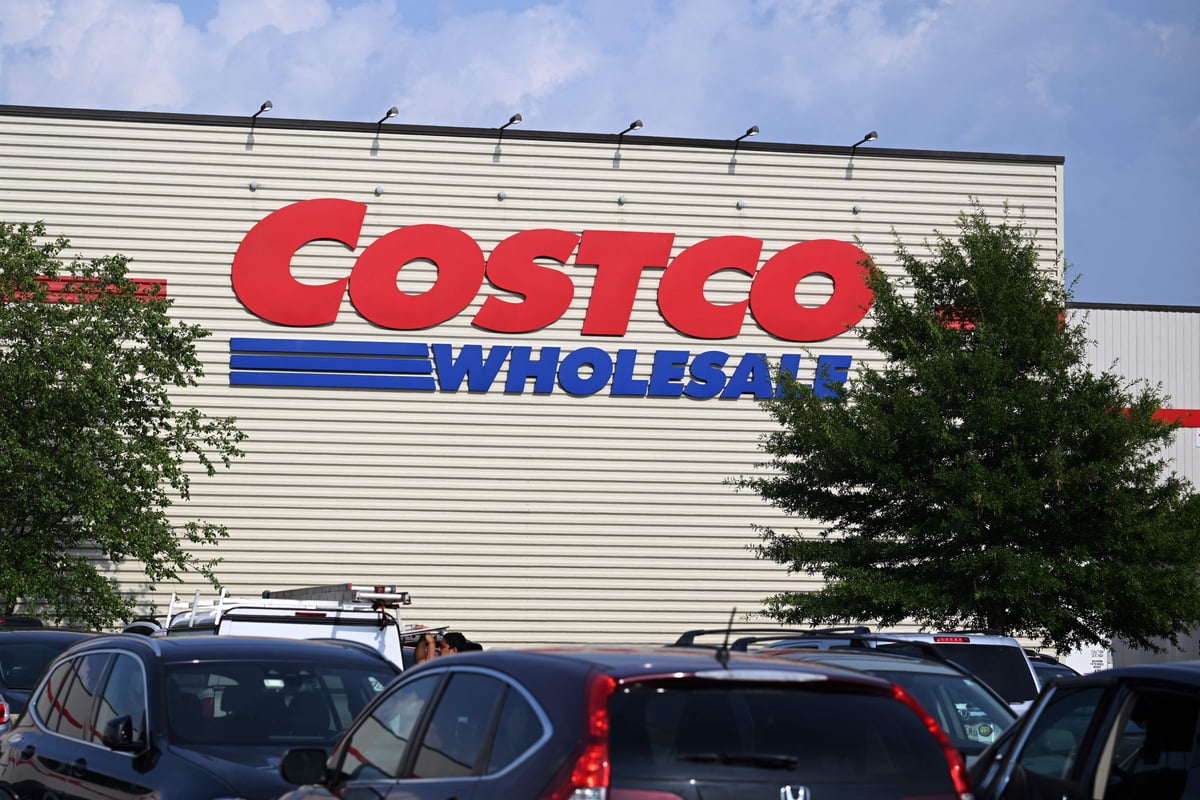
Tariff Lawsuits Could Weigh on Costco Valuation Despite Long-Term Strength
Costco Wholesale Corporation ($COST) faces a mounting legal and financial challenge from tariff-related litigation that threatens to dampen near-term profitability, even as the membership retailer's fundamental business model remains robust. The company confronts potential refund obligations and lawsuit expenses stemming from tariff disputes—issues that could create a meaningful headwind for earnings growth in the coming quarters and warrant a reassessment of the stock's currently elevated valuation metrics.
The Tariff Problem and Financial Exposure
While Costco has built an enviable reputation as one of America's most efficient and customer-focused retailers, it now faces legal exposure related to tariffs that could impose material costs on the business. The company stands accused in tariff-related lawsuits that carry the potential for significant refund obligations—a scenario that would directly impact bottom-line profitability.
The specific nature of these tariff disputes suggests they may relate to:
- Import tariff assessments on products in Costco's supply chain
- Alleged overcharges passed through to the company that may require reimbursement
- Compliance disputes with customs and tariff regulations
- Multi-year exposure that could affect multiple quarters of results
These legal entanglements represent an unusual vulnerability for a company known for operational excellence and tight cost control. Unlike operational challenges, which can be addressed through management initiatives, tariff litigation introduces an element of uncertainty that falls largely outside management's direct control.
Market Context: Valuation Under Pressure
Costco's current valuation metrics paint a picture of a premium retailer priced for perfection. The stock trades at a P/E ratio of 51—substantially elevated compared to many of its retail peers and the broader market—reflecting investor confidence in the company's competitive advantages and growth trajectory.
However, this lofty valuation sits uncomfortably alongside the company's recent profit growth trajectory. With earnings growth of approximately 13%, Costco's expansion rate, while respectable, appears modest relative to its valuation multiple. The disconnect becomes particularly acute when factoring in near-term headwinds from tariff-related obligations.
The retail sector context makes this analysis more compelling:
- Traditional retailers typically trade at P/E multiples between 15-25x earnings
- Premium operators like Costco command premiums, but 51x suggests significant growth expectations are already priced in
- Modest 13% profit growth raises questions about whether current valuations can be sustained
- Tariff exposure introduces downside risk not fully reflected in recent valuations
Walmart ($WMT) and Target ($TGT), while operating different models, trade at substantially lower multiples despite their own strengths. Amazon ($AMZN), which faces fewer tariff-related legal exposures, commands a valuation premium tied to higher growth prospects—a contrast that sharpens questions about Costco's current pricing.
The Near-Term Earnings Impact
The financial implications of tariff litigation extend beyond a single quarter. Should Costco face substantial refund obligations, the company would need to:
- Establish legal reserves for potential settlements or judgments, reducing reported earnings
- Pay refunds directly to customers or government entities, consuming cash flow
- Incur legal defense costs that burden the income statement
- Manage reputational risk if customers perceive the company unfavorably in dispute resolution
For a company delivering 13% profit growth, absorbing material tariff-related charges would represent a meaningful drag on year-over-year earnings comparisons. In a market environment where investors have grown accustomed to steady earnings expansion, such a stumble could prompt valuation compression.
The uncertainty itself carries cost. Capital markets penalize ambiguity, particularly when dealing with large corporations where material exposures remain unresolved. Until Costco provides clarity on the potential scope and timing of tariff-related obligations, institutional investors may opt to reduce positions or avoid initiating new ones.
Investor Implications and Valuation Reset
For shareholders and prospective investors, this situation presents a classic tension between long-term fundamentals and near-term headwinds. Costco's underlying business model—a membership-based warehouse operator with strong pricing power, customer loyalty, and operational efficiency—remains intact and valuable. The company's long-term growth prospects have not fundamentally changed.
Yet the current P/E ratio of 51 increasingly appears disconnected from near-term reality. Investors should consider whether the stock deserves such premium valuation multiple while:
- Tariff litigation remains unresolved, creating quarterly uncertainty
- Profit growth of 13% shows moderation relative to the valuation premium
- Downside risks to earnings have increased due to legal exposure
- Comparable retailers trade at substantially lower multiples without similar litigation burdens
Investors with existing Costco positions may wish to reassess allocation sizes pending resolution of tariff disputes. Those considering entry points might prudently await either:
- Clarification from management on the scope and timeline of tariff obligations
- Partial resolution of key lawsuits reducing the uncertainty discount
- Valuation compression to levels that better reflect near-term earnings visibility
- Updated guidance incorporating tariff-related costs
Forward Outlook
Costco Wholesale enters a period of heightened uncertainty created by its tariff-related legal exposure. While the company's operational excellence and member value proposition remain compelling long-term investment characteristics, the near-term earnings trajectory and appropriate valuation multiple warrant investor scrutiny. The intersection of litigation-driven uncertainty, modest profit growth, and elevated valuation multiples creates an asymmetric risk-reward profile until tariff matters reach resolution.
For the investment community, the calculus is clear: Costco's fundamentals may justify a premium valuation in calmer times, but the current environment calls for a discount until legal and financial uncertainties dissipate. Prudent investors should monitor quarterly earnings announcements closely for tariff-related developments and management commentary that clarifies the company's path forward.