
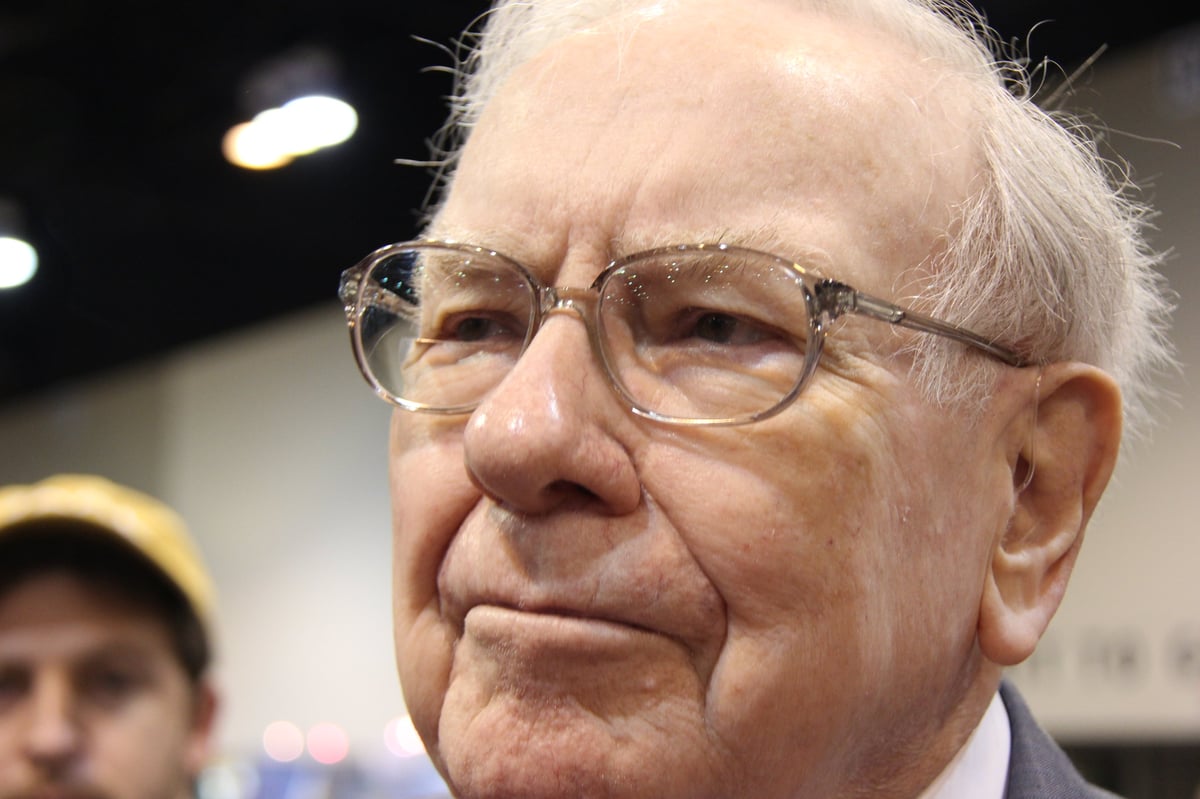
Berkshire Hathaway's Historic Share Repurchase Campaign
Berkshire Hathaway ($BRK.A, $BRK.B) has deployed a staggering $78 billion in share repurchases since July 2018, according to recent disclosures. This colossal capital allocation strategy—orchestrated by Warren Buffett and his successor Greg Abel—dwarfs the company's spending on major equity investments during the same period. To put this figure in perspective, the $78 billion exceeds the combined acquisition spending on Apple ($AAPL), Chevron ($CVX), Bank of America ($BAC), and Occidental Petroleum ($OXY) over comparable timeframes, underscoring the scale of Berkshire's commitment to returning capital to shareholders through repurchases.
The buyback program, which paused for 21 months, has since resumed in March 2026. This renewed vigor in share repurchasing represents a deliberate strategic pivot, signaling management's confidence in Berkshire's intrinsic value and long-term prospects. The effect has been substantial: the company's outstanding share count has contracted by 12.6% since the program's inception, a meaningful reduction that mechanically enhances earnings per share even without underlying business growth.
The Strategic Mathematics of Buybacks
Share repurchases function as a dual-purpose capital allocation tool for Berkshire Hathaway. First, they directly benefit remaining shareholders by concentrating future earnings across fewer shares outstanding. When a company repurchases 12.6% of its equity base, each remaining share claims a proportionally larger slice of corporate profits. This is particularly powerful for Berkshire, given the company's substantial and growing earnings base.
Second, buybacks signal management confidence in valuation. By spending $78 billion to repurchase shares, Buffett and Abel are making a powerful statement that Berkshire's stock trades at attractive valuations relative to intrinsic value. This contrasts sharply with external acquisitions: the company's selective deployment of capital toward Apple, Chevron, Bank of America, and Occidental Petroleum—despite the massive buyback effort—reflects disciplined capital allocation principles that Buffett has long espoused.
Key metrics from the repurchase program include:
- $78 billion deployed since July 2018
- 12.6% reduction in outstanding shares
- 21-month hiatus preceding March 2026 resumption
- Timing concentrated in periods when management assessed shares as undervalued
The resumption of buybacks after the extended pause suggests a reassessment of market conditions and Berkshire's valuation. During the halt, the company likely faced either elevated share prices (reducing repurchase efficiency) or competing capital priorities requiring dry powder preservation.
Market Context and Competitive Implications
The scale of Berkshire's buyback campaign must be contextualized within both Berkshire's operational landscape and the broader corporate repurchase environment. The $78 billion figure represents a significant portion of Berkshire's accumulated capital—capital that could theoretically have been deployed into transformational acquisitions or expanded stakes in existing holdings.
Compared to Berkshire's other major capital deployments, the buyback dwarfs traditional equity investments. The company has maintained positions in Apple, becoming one of its largest shareholders, while also building substantial stakes in Chevron, Bank of America, and Occidental Petroleum. Yet even the combined spending on these four blue-chip equities pales beside the $78 billion commitment to repurchasing Berkshire stock itself. This allocation preference reveals Buffett and Abel's assessment: Berkshire's own stock, at prices over this six-year-plus period, has offered superior risk-adjusted returns compared to available external investment opportunities.
Within the broader corporate buyback landscape, Berkshire's strategy stands out for its discipline and scale. Many large-cap companies execute repurchases opportunistically or as routine capital allocation. Berkshire's $78 billion program, by contrast, represents a deliberate, multi-year commitment executed across varying market conditions. The 21-month pause itself demonstrates this discipline—rather than mechanically repurchasing regardless of valuation, management halted the program when conditions became less favorable, preserving capital for more opportune moments.
The regulatory environment around buybacks has remained relatively stable, though periodic political scrutiny persists. Berkshire's repurchase authorization—granted by shareholders—operates within established legal frameworks that have existed since the SEC permitted open-market repurchases in 1982. Unlike dividend increases, which face greater scrutiny, share repurchases maintain broader political and regulatory acceptance, particularly when executed by fortress balance sheet companies like Berkshire.
Investor Implications and Forward Outlook
For Berkshire Hathaway shareholders, the buyback program carries profound implications. The 12.6% reduction in share count directly benefits remaining shareholders through enhanced earnings per share calculations, assuming stable or growing absolute earnings. This mechanical benefit compounds over time, creating a tailwind for per-share metrics independent of operational performance.
The strategy also reflects management succession stability and strategic continuity. Greg Abel's participation in the buyback decisions—alongside Buffett—demonstrates alignment between the founding patriarch and his successor regarding capital allocation philosophy. This consistency reduces shareholder anxiety about strategic shifts following eventual leadership transitions.
For prospective investors, the buyback program signals several messages:
- Management conviction: Buffett and Abel believe Berkshire shares offer compelling value
- Capital discipline: The company possesses sufficient financial strength to repurchase $78 billion while maintaining fortress cash reserves
- Shareholder-friendly governance: Rather than deploying capital into marginally-return acquisitions, management prioritizes per-share value creation
- Long-term orientation: The program's multi-year horizon and strategic pause demonstrate patient capital allocation
Looking forward, the resumption of buybacks in March 2026 suggests management expects continued share repurchase opportunities. The maintained authorization likely permits Berkshire to repurchase substantially more shares should valuations remain attractive and capital availability support such deployment. Investors should monitor quarterly 10-Q filings and annual proxy statements for repurchase activity and management commentary regarding the program's future pace.
Conclusion
Berkshire Hathaway's $78 billion buyback program since 2018 represents one of corporate America's most consequential capital allocation decisions. By choosing to repurchase its own stock at magnitudes exceeding external equity investments, the company has effectively declared its shares undervalued relative to intrinsic value. The 12.6% share count reduction creates lasting benefits for remaining shareholders through enhanced per-share metrics, while the strategic pause and March 2026 resumption demonstrate disciplined, valuation-sensitive execution.
As Berkshire navigates its post-Buffett era under Greg Abel's stewardship, this buyback commitment underscores continuity in capital allocation philosophy. For investors, the program offers valuable signals regarding management confidence, financial strength, and shareholder-centric governance. The coming years will reveal whether Berkshire maintains aggressive repurchase pace or modulates based on evolving valuations and capital needs—a metric worth watching for insights into how management assesses the company's valuation trajectory.