
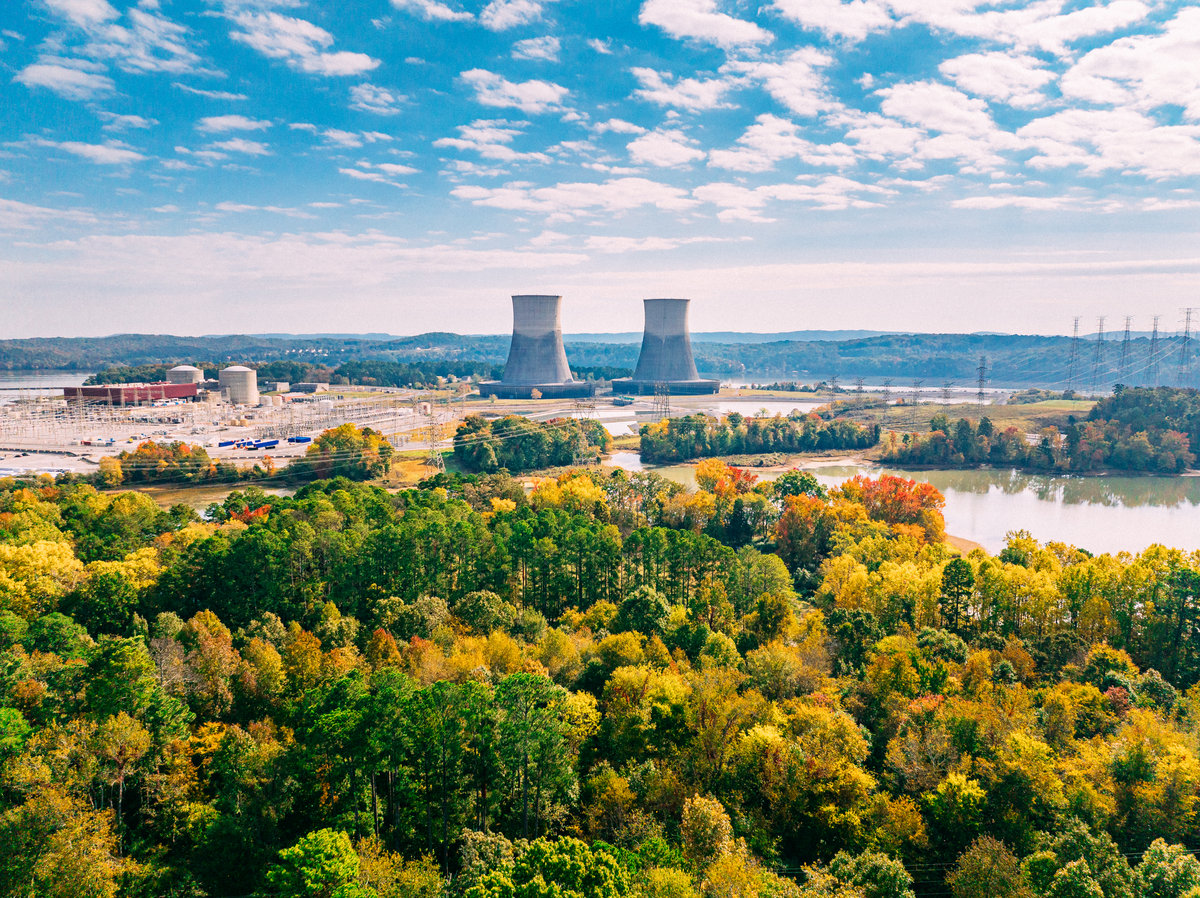
Nuclear Energy Stocks Poised for Breakout Year as AI, Geopolitics Fuel Demand Surge
Nuclear energy stocks are emerging as compelling investment opportunities heading into 2026, driven by a convergence of structural tailwinds including surging artificial intelligence infrastructure demands, escalating geopolitical tensions threatening conventional energy supplies, and unprecedented government backing for carbon-free power generation. The sector is experiencing renewed momentum after decades of relative stagnation, with investors increasingly viewing atomic energy as a critical solution to meet soaring electricity needs while maintaining net-zero emissions commitments.
The Perfect Storm of Demand Catalysts
Three major forces are simultaneously accelerating nuclear's appeal to institutional and retail investors alike. First, data centers powering AI systems are consuming unprecedented quantities of electricity, with major tech companies racing to secure reliable baseload power sources. Traditional fossil fuels face mounting regulatory headwinds and public relations challenges, while renewable energy sources struggle with intermittency issues that make them unsuitable as standalone solutions for compute-intensive operations.
Second, geopolitical instability is creating supply chain disruptions in oil and natural gas markets, pushing energy prices higher and making the case for energy independence increasingly compelling to policymakers worldwide. Tensions in key energy-producing regions have elevated concerns about price volatility and supply reliability, creating political will for diversified energy portfolios that reduce exposure to international market shocks.
Third, government support for nuclear expansion has shifted dramatically from skepticism to active promotion. Federal infrastructure spending, tax credits, and streamlined regulatory pathways are dramatically reducing the financial and bureaucratic barriers that historically hindered nuclear project development. Multiple governments are treating nuclear capacity expansion as essential infrastructure investment rather than a controversial technology.
NextEra Energy: Model Case for Strategic Positioning
NextEra Energy ($NEE) exemplifies how forward-thinking energy companies are capitalizing on these trends. The Florida-based utility giant has secured a landmark partnership with Alphabet ($GOOGL) to develop new nuclear plants, positioning itself at the intersection of AI infrastructure buildout and clean energy transition. This collaboration signals the increasing desperation of tech titans to secure dedicated power supplies for their rapidly expanding data center footprints.
The company's financial profile underscores its appeal to income-focused investors:
- 2.54% dividend yield providing steady income generation
- 32 consecutive years of dividend increases, demonstrating consistent commitment to shareholder returns
- Strategic exposure to both traditional utility operations and next-generation nuclear development
- Partnership opportunities with the world's largest tech companies seeking clean power solutions
NextEra's dividend track record—three decades of uninterrupted growth—ranks among the most impressive in the energy sector and speaks to management's confidence in the company's long-term earnings trajectory. The Alphabet partnership specifically validates the thesis that new nuclear capacity will command premium valuations and secure long-term power purchase agreements at favorable rates.
Market Context: A Sector Transformation Underway
The nuclear energy sector is undergoing a fundamental reassessment after years of being dismissed as yesterday's technology. Climate commitments requiring massive decarbonization have made nuclear indispensable, as renewable sources alone cannot reliably power the energy-intensive operations required by modern economies. Industrial users, from semiconductor manufacturers to data centers, are actively seeking nuclear power contracts to meet their own net-zero pledges.
This transformation extends beyond individual stocks to reshape sector dynamics. Traditional nuclear operators are expanding capacity, smaller companies are developing advanced reactor designs, and utilities are repositioning nuclear as a core growth driver rather than a legacy asset. Regulatory environments globally are evolving to support faster deployment timelines and reduce approval burdens that previously made nuclear projects prohibitively expensive.
The competitive landscape is shifting as well. Companies that successfully secure government contracts and develop partnerships with energy-hungry tech firms are likely to command significant valuation premiums. Conversely, energy companies perceived as lagging in nuclear strategy or overexposed to legacy fossil fuel operations may face valuation compression as capital flows toward the new energy paradigm.
Investor Implications: Reassessing Portfolio Allocation
For investment portfolios, nuclear energy stocks merit serious consideration across multiple investor profiles. Income investors benefit from dividend-paying utilities like NextEra with strong distribution histories and growth visibility. Growth investors should consider smaller nuclear technology companies and engineering firms likely to win significant construction contracts. ESG-focused investors can align capital with climate objectives while capturing attractive returns from a genuinely transformative energy transition.
The sector's re-rating is likely only in early innings. As AI power demands continue accelerating and geopolitical energy concerns persist, utilities and energy companies with meaningful nuclear exposure should see improving analyst estimates and multiple expansion. The Alphabet-NextEra partnership serves as a proof-of-concept that will likely spawn similar arrangements across the tech industry, creating a virtuous cycle of investment and capacity expansion.
However, investors should recognize legitimate risks: nuclear projects remain capital-intensive with extended timelines, regulatory uncertainty persists in some jurisdictions, and technological or construction challenges could derail specific projects. These factors argue for diversification within the nuclear/clean energy space rather than concentrated bets on individual companies.
Looking Ahead: Nuclear's Inflection Point
2026 appears positioned as a potential inflection point for nuclear energy investment as the convergence of AI demand, geopolitical pressure, and policy support becomes undeniable. Companies successfully executing on nuclear development strategies are likely to reward patient shareholders with both capital appreciation and growing dividends. The sector's transformation from perceived relic to essential infrastructure represents one of the most significant energy market rotations in decades, making nuclear exposure increasingly difficult for growth and ESG-oriented portfolios to ignore.