
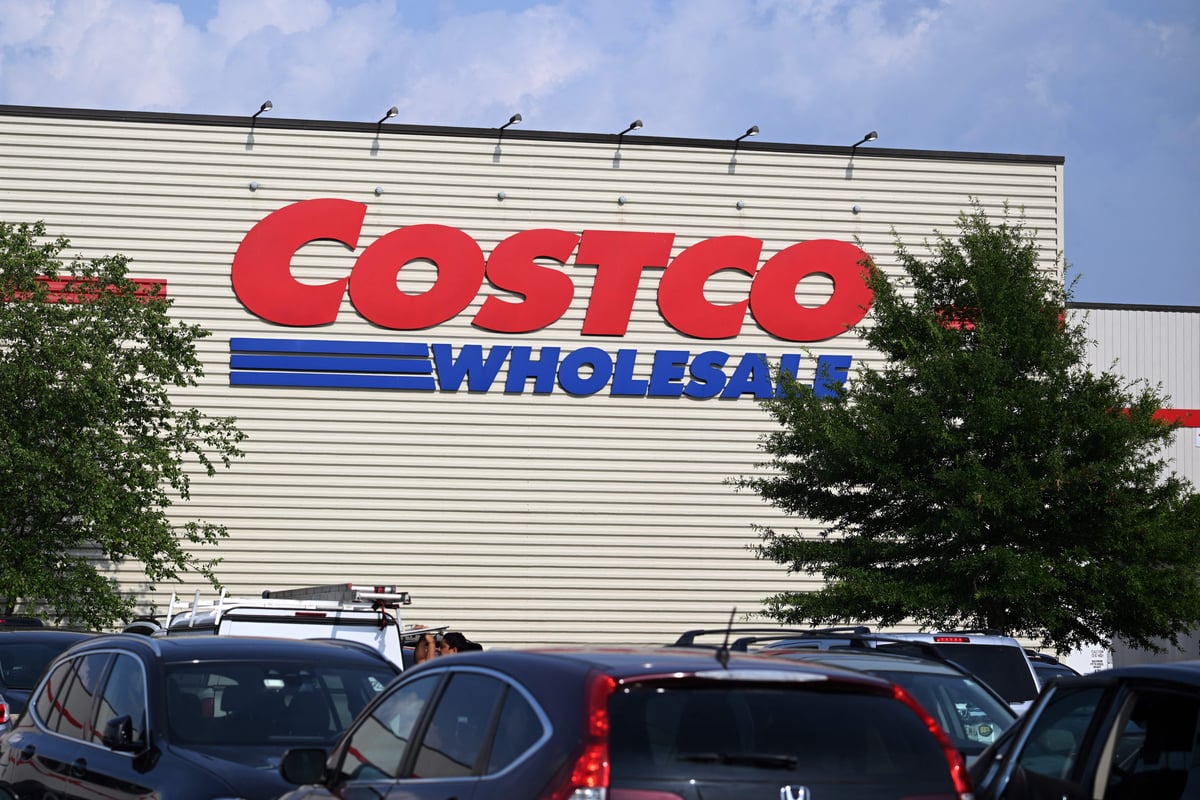
Costco Launches Standalone Gas Station Strategy to Fuel Membership Growth
Costco Wholesale Corporation ($COST) is making a significant strategic pivot by opening its first stand-alone gas station exclusively for members, with the inaugural location set to open in Mission Viejo, California in June and a second facility planned for Honolulu, Hawaii in 2027. This expansion marks a notable departure from the retailer's traditional model of operating gas stations directly adjacent to warehouse locations, signaling management's confidence in monetizing fuel as an independent revenue stream while simultaneously reducing operational congestion at existing facilities. The move underscores how the membership-based retailer continues to leverage ancillary services as a critical component of its profitability engine.
The Strategic Rationale Behind Stand-Alone Gas Operations
Costco's current gas station network already represents a formidable competitive asset, contributing approximately 10% of the company's net revenue. However, the existing model has created operational bottlenecks—gas pumps located at warehouse entrances consume valuable real estate and create traffic patterns that can deter members from accessing shopping areas during peak hours. By establishing standalone locations, Costco addresses this friction point while capitalizing on a proven profit driver.
The company's competitive pricing advantage remains a cornerstone of this strategy. Costco consistently prices gasoline $0.10 to $0.30 below the U.S. national average, creating a powerful membership incentive that extends beyond warehouse shopping. This pricing advantage, achievable through direct purchasing power and high-volume economics, transforms fuel into a membership acquisition and retention tool rather than merely a convenience offering.
Key strategic advantages of the standalone model include:
- Reduced warehouse congestion from fuel queues and vehicle traffic
- Expanded market reach to members who may live or work near standalone locations but far from warehouses
- Dedicated operational focus on fuel logistics without warehouse management conflicts
- Real estate optimization by freeing warehouse perimeter space for commercial or customer flow improvements
Market Context: The Membership Flywheel in Retail
The standalone gas station expansion cannot be understood in isolation from Costco's overarching business architecture. Unlike traditional retailers dependent on merchandise margin, Costco generates approximately 70% of its operating profit from membership fees rather than product sales. Gas stations serve as a force multiplier for this model by creating recurring touchpoints that strengthen membership value perception and renewal rates.
In the competitive landscape, Costco faces pressure from digital-native retailers ($AMZN) and alternative membership models. However, the company's integrated ecosystem—combining warehouse shopping, fuel access, pharmacy services, and financial products—creates significant switching costs and customer loyalty that competitors struggle to replicate. The fuel business, in particular, attracts price-sensitive consumers who might otherwise consider competitors like Sam's Club ($WMT subsidiary) or warehouse-light models.
The expansion also reflects secular trends favoring membership-based commerce. As consumers increasingly value transparency, savings visibility, and community, Costco's fee-based model aligns with emerging consumer preferences better than traditional retail's margin-dependent approach. Fuel pricing becomes particularly salient in inflationary environments, where membership savings accumulation drives renewal decisions.
From a macroeconomic perspective, the Mission Viejo and Honolulu locations represent high-demographic-quality markets. Mission Viejo, in Orange County, California, serves an affluent suburban population with high average household incomes and strong membership penetration. Honolulu's selection for a 2027 opening suggests Costco's confidence in geographic expansion despite Hawaii's isolated supply chain dynamics and higher operating costs.
Investor Implications and Financial Impact Assessment
For $COST shareholders, this announcement carries several material implications:
Revenue and Margin Profile: While gas stations operate on thin absolute margins (typically 3-5% gross margin), the high-velocity cash generation and membership value reinforcement justify the capital investment. The 10% revenue contribution becomes more valuable when contextualized within the membership fee structure—each gallon sold strengthens the case for renewal and attracts new members seeking tangible savings.
Capital Allocation Strategy: Standalone locations require less capital intensity than warehouse construction, making this an efficient use of Costco's balance sheet. However, investors should monitor the rollout pace and capital expenditure guidance. If management signals accelerated expansion beyond the two announced locations, it could impact near-term profitability while building long-term member lifetime value.
Competitive Moat Deepening: The strategy reinforces Costco's defensible competitive position. Few retailers possess the membership base, purchasing power, and operational expertise to replicate this model. Amazon's foray into convenience retail ($AMZN Just Walk Out) differs fundamentally in economics and member commitment, while traditional gas station operators lack Costco's traffic generation capability.
Membership Elasticity: Critically, gas pricing serves as a visible, quantifiable membership benefit. Unlike abstract warehouse discounts, fuel savings appear immediately at the pump. This tangibility likely improves renewal rates, particularly among price-sensitive demographics. Investors should expect management commentary on renewal rate impacts in future earnings calls.
Regulatory Considerations: Standalone gas operations in California and Hawaii face distinct regulatory frameworks. California's fuel market is heavily regulated, with special blend requirements and environmental oversight. Hawaii's isolation creates unique supply chain logistics. Costco's ability to navigate these complexities without margin pressure will be a key execution metric.
Looking Ahead: The Standalone Model as Growth Vector
The announcement of just two locations through 2027 suggests cautious, measured expansion rather than aggressive rollout. This disciplined approach reflects Costco's traditional playbook of organic growth with quality control. However, if the Mission Viejo flagship proves operationally successful and financially accretive, the company likely possesses hundreds of potential sites across high-density membership zones.
Future earnings reports and investor presentations should be monitored for:
- Membership fee growth acceleration attributable to fuel station access
- Renewal rate improvements in geographic markets with standalone locations
- Capital expenditure guidance for subsequent phases of expansion
- Unit economics disclosed for standalone locations versus warehouse-adjacent fuel operations
The standalone gas station strategy exemplifies how mature, successful retailers navigate growth constraints. Rather than chasing merchandise margin in saturated categories, Costco leverages existing competitive advantages in new operating models. For investors, this demonstrates management's strategic sophistication and commitment to the membership value thesis that has driven $COST outperformance relative to traditional retail peers.
As inflation concerns persist and consumer price sensitivity remains elevated, Costco's visible, quantifiable savings mechanisms—epitomized by below-market fuel pricing—position the company favorably for sustained membership growth and shareholder value creation.