
Geopolitical Disruption Reshapes Energy Markets
The closure of the Strait of Hormuz, one of the world's most critical maritime chokepoints, is triggering a dramatic reshuffling of global energy and commodity flows. Through which approximately 21% of the world's petroleum transits daily, the strait's blockade is creating both immediate supply shocks and longer-term structural shifts in energy markets. This disruption is generating significant trading opportunities for investors positioned in companies best suited to capitalize on rerouted supply chains, elevated energy prices, and expanded logistics networks.
As geopolitical tensions intensify and alternative shipping routes become necessary, specific sectors and companies are emerging as clear beneficiaries. Energy analysts have identified 10 stocks positioned to capitalize on the resulting market dislocations, spanning U.S. oil producers, refining operations, liquefied natural gas exporters, maritime shipping companies, and agricultural input suppliers.
Key Beneficiary Sectors in Focus
Upstream Energy and Refining Premium
U.S. oil producers stand to benefit directly from the Hormuz closure, as reduced global supply supports higher crude prices domestically and internationally. The disruption creates tailwinds for American energy independence narratives, with domestic producers capturing additional margin as crude values strengthen.
Petroleum refiners represent another critical opportunity, particularly as the closure widens crack spreads—the profit margin between crude oil inputs and refined product outputs. When supply constraints push crude prices higher while demand for gasoline and diesel remains firm, refiners capture outsized profits on each barrel processed. This dynamic has historically proven highly lucrative during supply disruptions.
LNG and Maritime Logistics
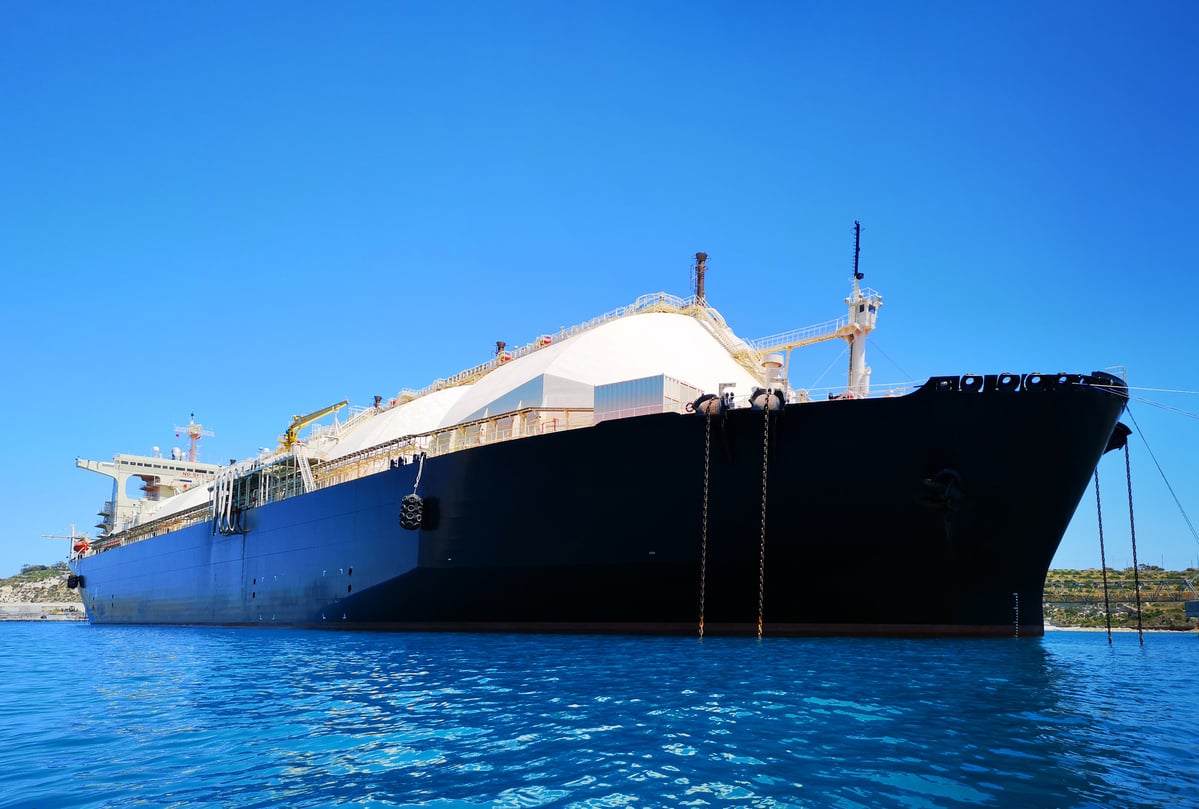
Liquefied natural gas (LNG) exporters are positioning themselves as critical infrastructure solutions. With traditional Middle Eastern supply routes disrupted, global LNG buyers are turning to alternative suppliers, particularly from the United States, Australia, and Qatar. U.S. LNG facilities are operating at or near full capacity, commanding premium pricing as international customers secure alternative supplies.
Shipping companies operating container ships, tankers, and specialized vessels face dramatically increased demand as trade routes lengthen. Closure of the Hormuz Strait forces vessels to navigate around the Cape of Good Hope in South Africa—adding approximately 5,000-6,000 nautical miles to each journey and extending transit times by 10-14 days. This supply constraint on maritime capacity translates directly into higher shipping rates and improved vessel utilization.
Key shipping beneficiaries include:
- Tank ship operators handling crude oil and refined products
- Container shipping lines managing extended voyage times
- Specialty carriers servicing LNG transport
- Dry bulk operators moving commodities via longer routes
Agricultural Input Producers
Fertilizer producers emerge as unexpected beneficiaries from reduced competition. Many traditional fertilizer suppliers rely on Middle Eastern potash and phosphate exports, which are constrained by the Hormuz closure. Domestic fertilizer manufacturers gain pricing power and market share as international supplies tighten, while agricultural demand remains steady through growing seasons.
Market Context and Competitive Landscape
The Hormuz closure occurs amid broader energy market dynamics that amplify its impact:
Oil Price Environment: Global crude benchmarks (Brent crude and WTI) have historically spiked 15-25% during comparable supply disruptions. Higher prices benefit upstream producers while creating margin compression challenges for airlines, shipping companies, and transportation-dependent sectors.
Energy Market Consolidation: Recent M&A activity in refining and LNG has created larger, more integrated players better positioned to manage volatility. Established refiners with multiple processing locations can flexibly redirect crude sourcing and product distribution to capitalize on price dislocations.
Geopolitical Insurance: The energy sector increasingly prices in geopolitical risk premiums. Investors are reassessing energy security assumptions, driving capital toward diversified suppliers and alternative energy routes rather than those dependent on Middle Eastern throughput.
Shipping Rate Dynamics: Baltic indices measuring shipping rates have historically doubled or tripled during major supply disruptions. However, modern shipping overcapacity has somewhat muted recent rate spikes, though specialized tanker rates remain elevated.
Investor Implications and Portfolio Strategy
For equity investors, the Hormuz closure presents distinct risk-reward profiles across the recommended 10-stock cohort:
Near-Term Catalysts: The immediate 3-6 month period likely offers the most pronounced benefits, as supply constraints are most acute and alternative infrastructure hasn't fully mobilized. Traders and tactical investors may favor this window for capturing disruptive premium valuations.
Earnings Trajectory: Energy companies in this basket should report significantly improved earnings as Q3 and Q4 results reflect higher commodity prices and elevated margins. Refiner and LNG exporter guidance may surprise to the upside.
Duration Uncertainty: The critical question for longer-term investors concerns how long the Hormuz closure persists. Brief disruptions (weeks) offer limited strategic benefit, while extended closures (months+) potentially restructure global energy infrastructure permanently. Investors should carefully distinguish between trading opportunities and structural portfolio allocations.
Volatility Consideration: This cohort exhibits higher beta, meaning stock prices will likely fluctuate sharply alongside energy prices, shipping rates, and geopolitical headlines. Risk-averse investors should size positions accordingly.
Sector Rotation: The recommended stocks span energy, logistics, and agriculture, providing some diversification while maintaining coherent disruption exposure. However, this remains a concentrated thematic bet rather than broad-based portfolio diversification.
Forward Outlook and Risk Factors
The 10-stock opportunity set hinges critically on several contingencies. Resolution of the Hormuz dispute represents the paramount risk—political resolution or military intervention could rapidly reverse positioning. Additionally, demand destruction from persistently higher energy prices could reduce global crude consumption, offsetting supply-side constraints.
Investors should also monitor alternative energy infrastructure development. Accelerated pipeline construction, expanded LNG capacity in non-Middle Eastern regions, and strategic petroleum reserve releases could erode the disruption premium more quickly than historical precedent suggests.
The Strait of Hormuz closure has crystallized energy market vulnerabilities and created tactical opportunities across well-defined beneficiary sectors. Investors with appropriate risk tolerance and 3-12 month time horizons may find compelling entry points in carefully selected energy producers, refiners, LNG exporters, shipping operators, and fertilizer manufacturers. However, conviction should remain appropriately calibrated to uncertainty about disruption duration and ultimate geopolitical resolution.