
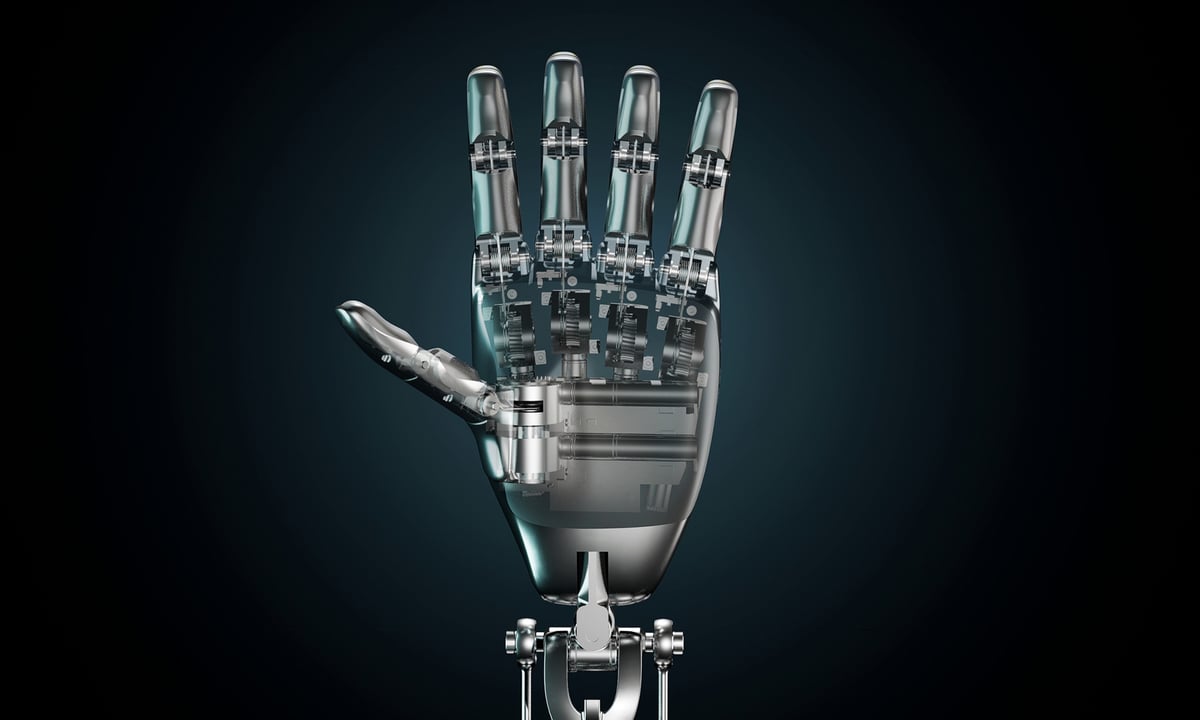
Tesla is reallocating manufacturing capacity at its Fremont facility to produce its Optimus humanoid robot, discontinuing production of Model S and Model X vehicles at that location. The shift reflects the company's strategic pivot toward artificial intelligence and robotics as a core business line. Optimus has demonstrated notable progress in dexterity and autonomous task execution during development phases, positioning the project as a potential long-term revenue driver.
The timeline for achieving human-level proficiency is projected for 2026, contingent on continued technological advancement and successful scaling of manufacturing operations. Industry observers note that humanoid robotics commercialization remains dependent on overcoming significant engineering and production challenges. Tesla's valuation currently reflects expectations around this emerging business segment, with the company's forward price-to-earnings ratio at 202x, substantially above traditional automotive benchmarks.
Investors face a bifurcated risk-return profile: successful execution and market adoption of Optimus could unlock substantial shareholder value, while delays or technical setbacks in achieving commercial viability present material downside exposure. The reallocation of manufacturing capacity underscores Tesla's commitment to the robotics initiative, though near-term financial impacts from reduced sedan production warrant monitoring.