
Stable Cash Flows Offer Haven Amid Geopolitical Uncertainty
Energy Transfer ($ET) and Oneok ($OKE) have emerged as compelling investment opportunities for April, offering investors a defensive posture in the energy sector despite mounting tensions from the Iran conflict that continue to roil crude oil markets. Both midstream energy infrastructure companies generate predominantly fee-based revenue streams that insulate their cash flows from commodity price volatility—a critical advantage when geopolitical risks threaten to destabilize global energy markets. With dividend growth plans of 3-5% annually and substantial expansion projects already secured, these companies present a compelling alternative to traditional upstream oil and gas producers whose earnings fluctuate dramatically with crude prices.
The appeal of these two energy stocks lies in their structural business model advantages. Energy Transfer, one of North America's largest energy infrastructure companies, derives approximately 90% of its cash flows from fee-based operations, creating a revenue stream largely independent of whether oil trades at $50 or $100 per barrel. Similarly, Oneok, a leading midstream energy company, generates between 85-90% of its cash flows from fee-based contracts, providing comparable insulation from commodity price swings. This distinction is crucial for investors seeking stability during periods of elevated oil market volatility, particularly as tensions in the Middle East inject uncertainty into global energy supply dynamics.
Expansion Projects and Dividend Growth Provide Multiple Catalysts
Beyond their defensive cash flow characteristics, both companies benefit from a portfolio of already-secured expansion projects that should drive earnings growth in the coming years. These capital projects represent contracted revenue opportunities—essentially guaranteed sources of future fee-based income that require execution rather than market timing. The projects underscore management confidence in long-term energy infrastructure demand and provide concrete catalysts for shareholder value creation.
The dividend growth plans targeting increases of 3-5% annually represent additional incentives for income-focused investors. For yield-seeking portfolios, these growth rates compound meaningfully over time while remaining sustainable given the stability of underlying fee-based cash flows. This contrasts sharply with upstream oil and gas companies, whose dividend safety becomes questionable when crude prices collapse, often leading to cuts that devastate income-focused investors.
Key investment metrics and structural advantages include:
- Revenue insulation: 85-90% of cash flows from take-or-pay and fee-based contracts
- Dividend sustainability: Backed by predictable, contracted revenue streams
- Growth visibility: Multiple expansion projects with secured contracts
- Yield enhancement: Annual dividend growth targets of 3-5%
- Operational leverage: Benefits from increased energy volumes without commodity price exposure
Market Context: Midstream Infrastructure Redefines Sector Dynamics
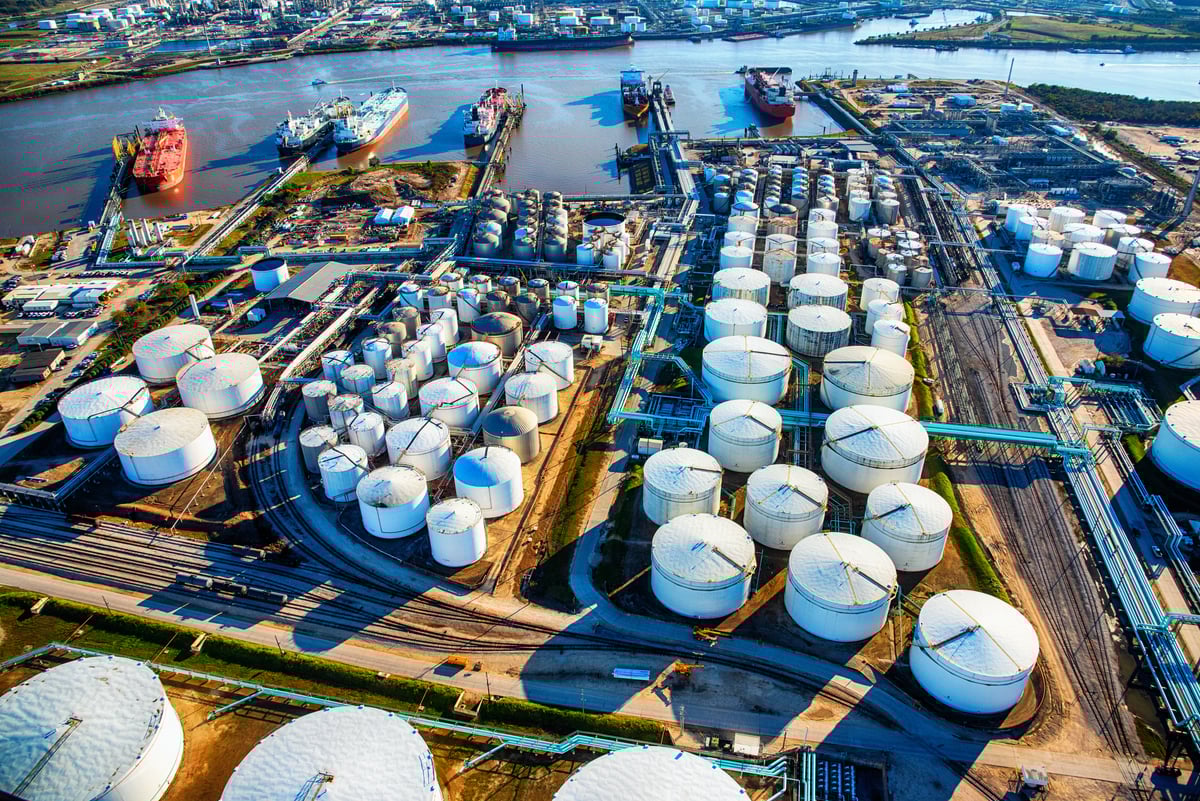
The recommendation comes at a time when the traditional energy sector faces sustained pressure from energy transition concerns and volatile commodity markets. The midstream energy infrastructure sector—to which both $ET and $OKE belong—has increasingly differentiated itself from upstream oil and gas producers. These companies operate the pipelines, storage facilities, and processing plants that move energy regardless of whether oil is plentiful or scarce, creating a "toll road" business model with inherent stability.
Geopolitical tensions, particularly unrest involving Iran, have periodically spiked crude oil prices throughout 2024, creating headline risk for investors. However, such volatility primarily impacts upstream exploration and production companies whose profitability scales directly with commodity prices. Midstream operators like Energy Transfer and Oneok actually benefit from increased volumes during volatile periods, as higher energy prices and resulting market dislocations often boost the utilization and throughput of infrastructure assets.
The broader energy sector landscape has shifted toward favoring these infrastructure plays over commodity-exposed producers. Institutional investors increasingly recognize the stability and resilience of fee-based energy infrastructure businesses, particularly as traditional energy companies face pressure to maintain and grow dividends through commodity price cycles. The competitive landscape shows midstream companies outperforming volatile upstream peers during periods of crude price weakness.
Investor Implications: Defensive Positioning With Growth Upside
For equity investors, the case for $ET and $OKE centers on a rare combination: downside protection paired with meaningful upside catalysts. In a portfolio context, these holdings provide stability during oil market selloffs while capturing growth from secured expansion projects and reliable dividend increases. The fee-based business model means investors aren't betting on $60, $70, or $100 crude—they're earning contractual returns regardless.
Income-focused investors particularly benefit from the dividend growth profiles. A 3-5% annual increase on a 5-6% current yield (typical for quality midstream operators) creates total return potential exceeding 8-11% annually without requiring crude prices to rise. This contrasts with the dividend cuts that plague upstream producers during commodity downturns, which have decimated income portfolios in past cycles.
The secured expansion projects provide another dimension of appeal. Unlike speculative growth initiatives, these projects represent committed capital from customers seeking to expand energy infrastructure capacity. Successful execution translates directly to cash flow growth, providing visibility into future earnings that typically commands premium valuations relative to peers facing execution risk.
Investors should recognize that while midstream operators offer stability, they remain leveraged to broader energy consumption trends over multi-year periods. However, this represents a much lower-risk growth driver than crude oil price speculation. Additionally, the regulatory environment for energy infrastructure remains generally supportive, with both federal and state authorities recognizing the critical role these assets play in energy reliability and economic activity.
Looking Ahead: Structural Demand Supports Long-Term Positioning
Looking forward, the investment case for Energy Transfer and Oneok rests on structural fundamentals likely to persist well beyond April. Global energy demand remains robust despite transition headwinds, ensuring continued need for infrastructure that moves crude oil, natural gas, and refined products. The fee-based revenue model provides predictability rarely found in energy stocks, making these holdings suitable for conservative portfolios and income-seeking investors.
The combination of stable, contracted cash flows, secured growth projects, and committed dividend increases positions both companies to deliver shareholder returns across market cycles. For investors seeking energy sector exposure while avoiding the commodity price volatility currently driving market uncertainty, $ET and $OKE represent compelling opportunities to balance income generation with capital appreciation in a historically volatile sector.