
Vistra Emerges as Energy Sector Powerhouse, Surging 530% as AI Demand Reshapes Electricity Markets
Vistra Energy ($VST) has emerged as one of the market's most explosive performers, delivering a 530% return over the past three years—nearly nine times the S&P 500's 60% gain in the same period. The Texas-based competitive power generator has evolved from a regional utility player into a critical infrastructure asset positioned at the intersection of two of the most transformative forces reshaping global energy markets: artificial intelligence and the race for clean electricity capacity.
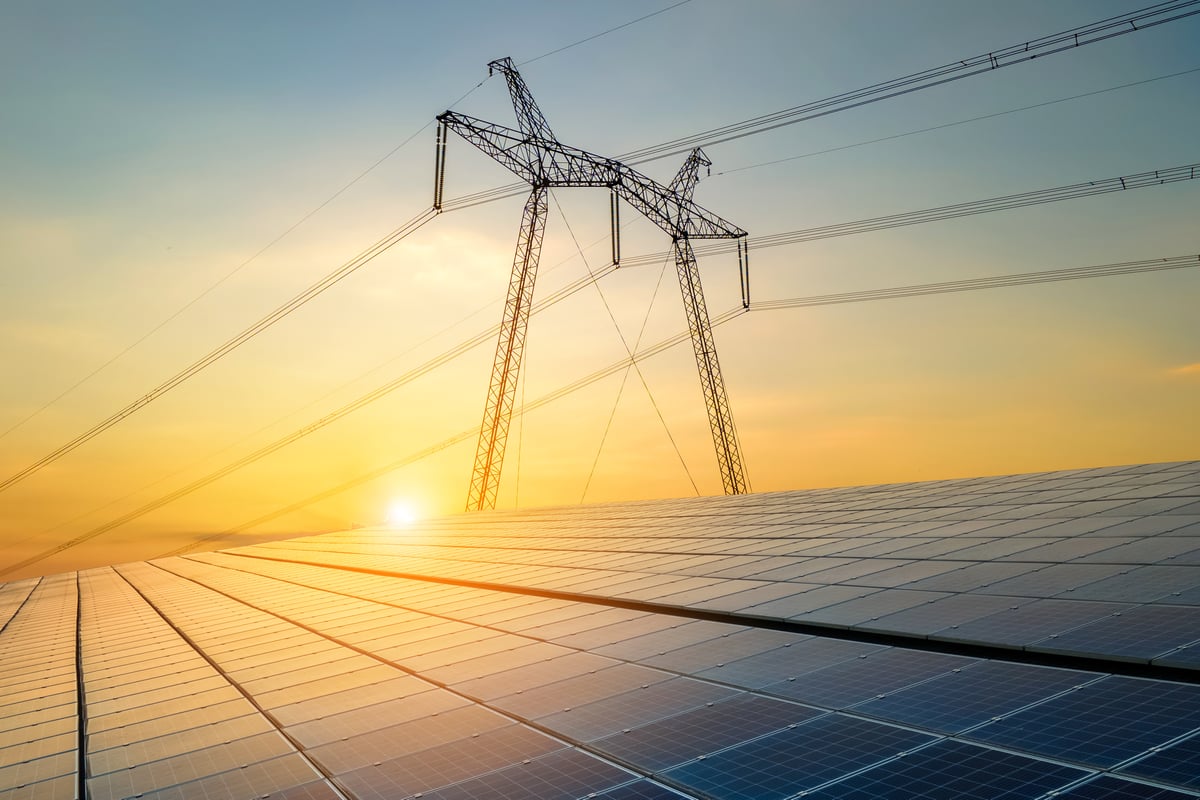
The stock's remarkable ascent reflects a fundamental shift in electricity demand dynamics. As hyperscale data centers consume ever-increasing amounts of power to train and run large language models, utilities and power generators with diversified, reliable capacity have become strategically invaluable. Vistra's ability to serve 5 million customers across North America while operating 44 gigawatts of diverse energy capacity—spanning nuclear, natural gas, solar, and battery storage—positions the company uniquely to capitalize on this secular trend.
Operational Scale and Strategic Asset Base
Vistra's portfolio represents a masterclass in energy diversification at a time when energy transition investments are reshaping capital allocation across the sector. The company's 44 GW capacity footprint makes it one of the largest independent power producers in the United States, with assets specifically engineered to meet the reliability and baseload requirements that data-intensive industries demand.
The composition of this capacity is particularly noteworthy:
- Nuclear generation provides carbon-free baseload power essential for sustainability-conscious tech giants
- Natural gas infrastructure offers flexible, dispatchable capacity for peak demand periods
- Solar and battery storage resources capture growing renewable energy demand while addressing intermittency challenges
- Geographic diversity across multiple grid regions reduces concentration risk and regulatory exposure
This operational flexibility has proven invaluable as major technology corporations increasingly commit to 24/7 renewable energy procurement agreements. Unlike pure renewable generators dependent on weather conditions, Vistra's hybrid model satisfies corporate sustainability mandates while guaranteeing the reliability customers cannot compromise on.
Revenue Growth and AI-Driven Demand Acceleration
The company's financial trajectory has tracked closely with its strategic positioning. Strong revenue and EBITDA growth over the past three years reflects both organic demand expansion and the beginning of what analysts anticipate as a multi-decade inflection point in electricity consumption patterns.
Industry research suggests U.S. electricity demand could grow 2-3% annually going forward—a significant acceleration from the historical 0.5-1% baseline—primarily driven by data center buildout. Meta's recent power purchase agreements with Vistra exemplify how major technology platforms are securing long-term capacity commitments from established generators. These contracts typically lock in pricing while guaranteeing steady revenue streams, reducing earnings volatility and supporting valuation premiums.
The significance of such partnerships extends beyond individual deal economics. When Fortune 50 technology companies validate a power generator's ability to reliably serve their operations at scale, it establishes competitive moats and reduces execution risk for investors. Vistra's success in winning Meta contracts signals market confidence in the company's operational capabilities and regulatory standing.
Market Context: The Energy Sector's Structural Pivot
Competitive Landscape and Industry Dynamics
Vistra operates within a rapidly consolidating independent power producer sector, where scale, operational excellence, and geographic diversity have become paramount. Traditional utility stocks have underperformed due to regulatory pressure on returns, while independent power generators with growth optionality have commanded premium valuations. $VST's valuation of just 10x adjusted EBITDA represents a significant discount to many technology and communications infrastructure peers, despite growth rates that frequently exceed those sectors.
Competitors like NextEra Energy ($NEE) and Duke Energy ($DUK) operate under different regulatory models—integrated utilities subject to public utility commission oversight—which typically caps return on equity and limits upside participation in infrastructure growth. Vistra's competitive generation model allows higher returns on incremental capacity additions, creating structural valuation advantages.
Regulatory and Market Tailwinds
Federal policy initiatives, including the Inflation Reduction Act's investment tax credits and production tax credits, have created favorable conditions for clean energy capacity development. Simultaneously, grid operators increasingly recognize that meeting decarbonization targets while maintaining reliability requires diverse generation portfolios—exactly what Vistra's fleet provides.
Regional transmission organizations across Texas and other competitive markets have signaled that additional capacity—both renewable and firm—will be needed to maintain grid stability as electrification accelerates. This institutional validation provides confidence that demand assumptions underlying Vistra's growth projections align with infrastructure planning realities.
Investor Implications: Why This Matters Now
For growth-oriented investors, Vistra represents a rare combination: secular demand tailwinds, fortress balance sheet capabilities, and capital deployment opportunities in infrastructure. The company can finance capacity additions and acquisitions while maintaining investment-grade credit ratings, creating compounding return potential.
For income investors, the company's expanding cash flow generation supports dividend growth and shareholder returns without sacrificing investment capacity. As electricity demand accelerates, utilization rates on existing assets should improve, driving margin expansion without incremental capital requirements.
For technology and infrastructure investors broadly, Vistra's performance underscores that artificial intelligence adoption creates not only software and semiconductor opportunities but also foundational infrastructure demand. Data center power availability is now a binding constraint on AI deployment—a structural problem that power generators like Vistra solve.
The 10x adjusted EBITDA valuation appears conservative relative to:
- Projected growth rates (mid-to-high single digits)
- Inflation-indexed contract terms (protecting margins)
- Essential services classification (defensive characteristics)
- Barriers to entry (regulatory, capital, operational complexity)
The Path Forward
Vistra Energy's 530% three-year return was not a speculative bubble but rather rational market repricing as investors recognized the company's position in a structural electricity demand inflection. With AI deployment accelerating, corporate sustainability commitments requiring long-term power contracts, and grid operators seeking diverse generation portfolios, the fundamental drivers supporting Vistra's valuation appear intact.
The critical variables for investors going forward center on execution: successful development of contracted capacity additions, maintenance of competitive cost structures, and continuation of strategic customer relationships. Management's track record on these dimensions, combined with the company's positioned at the nexus of energy transition and AI infrastructure, suggests the market opportunity extends well beyond the three-year performance window that has already impressed investors.
For those seeking exposure to electricity infrastructure demand driven by technological change, $VST remains positioned as one of the purest plays on the intersection of AI adoption and essential infrastructure investment—a positioning that transcends traditional utility sector constraints.