
Two Renewable Energy Giants Poised for Decades of Growth as Global Market Surges
As the world accelerates its transition toward clean energy, two companies are emerging as compelling long-term investment opportunities for investors seeking exposure to the renewable energy boom. Nextpower and Brookfield Renewable represent distinct but complementary plays on a sector expected to grow at a 14.7% compound annual growth rate (CAGR) through 2033, driven by intensifying decarbonization efforts and surging electricity demand from cloud computing and artificial intelligence infrastructure.
The global renewable energy market is entering a transformative phase, with governments, corporations, and utilities committing unprecedented capital to wind, solar, and hydroelectric projects. These two companies offer investors different pathways into this secular growth story, each with proven business models and strategic positioning to capitalize on long-term structural trends reshaping the energy landscape.
The Investment Thesis: Why Renewable Energy Stocks Matter Now
The renewable energy sector is experiencing a fundamental shift in its investment narrative. Rather than relying solely on government subsidies and environmental mandates, the industry is now driven by multiple converging forces:
- Decarbonization initiatives from governments worldwide implementing net-zero targets
- Corporate renewable commitments from major technology and industrial companies
- AI and cloud computing boom creating unprecedented electricity demand
- Cost competitiveness of renewable energy versus traditional fossil fuels
- Energy security concerns prompting diversification away from fossil fuel imports
This backdrop creates a compelling environment for companies positioned across the renewable energy value chain. The projected 14.7% CAGR growth through 2033 represents nearly three times the historical GDP growth rate, suggesting the sector will significantly outpace broader economic expansion.
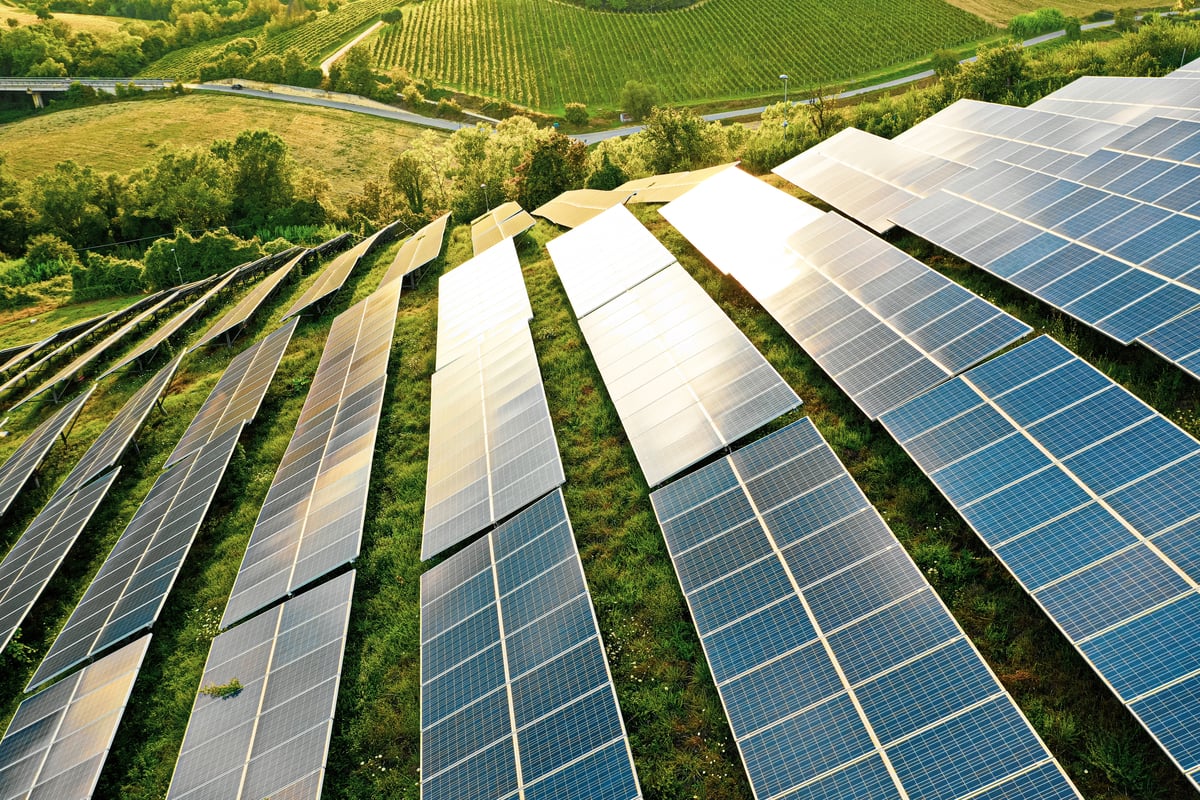
Nextpower specializes in the infrastructure and technology components that make renewable energy systems function at scale. The company offers solar trackers—mechanized systems that optimize panel orientation throughout the day—balance-of-systems solutions that integrate project components, and proprietary AI software that maximizes energy production efficiency. This positions Nextpower as a critical enabler of the renewable transition, capturing value across hardware and software layers.
Brookfield Renewable, by contrast, represents a more diversified and mature approach to renewable energy. As a global operator of clean power projects, Brookfield Renewable maintains a portfolio spanning:
- Hydroelectric facilities providing reliable baseload renewable power
- Wind projects capturing variable but increasingly predictable wind resources
- Solar installations benefiting from falling costs and improving efficiency
The company's portfolio approach provides revenue diversification across geographies and renewable technologies, reducing exposure to any single technology or market cycle.
Deep Dive: Company Positioning and Market Dynamics
Nextpower's business model captures the technological sophistication increasingly required in renewable energy. Solar tracking systems alone can improve annual energy output by 20-30% compared to fixed installations, a meaningful efficiency gain that translates directly to project economics. As solar deployment accelerates globally, the demand for optimized hardware and intelligent software solutions grows proportionally.
The company's AI software represents a particularly valuable asset as renewable energy projects become more sophisticated. Machine learning algorithms can predict weather patterns, optimize energy storage dispatch, and coordinate across distributed generation assets—capabilities that become increasingly valuable as renewable penetration rises and grid integration challenges multiply.
Brookfield Renewable, meanwhile, operates one of the world's largest renewable energy portfolios with established cash flows and long-term power purchase agreements (PPAs) that provide revenue visibility. The company's hydroelectric assets are particularly valuable, offering:
- Stable, predictable cash flows from long-duration power purchase agreements
- Natural energy storage through reservoirs that can adjust output based on demand
- Essential grid services increasingly valuable as grid operators manage renewable variability
The convergence of AI infrastructure demand and traditional decarbonization creates a dual growth driver for both companies. Data centers and cloud computing facilities require massive, reliable electricity supplies—demands that renewables are increasingly meeting, particularly when paired with storage or flexible generation like hydroelectric power.
Market Context: Sector Tailwinds and Competitive Landscape
The renewable energy sector benefits from structural tailwinds that distinguish it from cyclical industries. Global renewable energy capacity additions have accelerated consistently, with 2023 and 2024 setting records for new installations. This trend is expected to continue as:
- Cost curves continue declining for solar photovoltaic and battery storage technologies
- Grid infrastructure increasingly accommodates higher renewable penetration
- Regulatory frameworks worldwide strengthen renewable energy requirements and carbon pricing
- Corporate procurement of renewable energy through PPAs grows exponentially
The competitive landscape differs markedly between the two investment options. Nextpower operates in a market with multiple suppliers of tracking systems and balance-of-systems solutions, but faces consolidation pressures and technology differentiation opportunities. The company's AI software capabilities represent a defensible moat as renewable projects become increasingly sophisticated.
Brookfield Renewable faces competition from other major renewable energy operators and utilities, but its scale, geographic diversification, and long-term contracted cash flows provide competitive advantages. The company's access to capital markets and operational expertise represent significant competitive strengths in a capital-intensive industry.
Investor focus on renewable energy stocks has intensified as institutional capital recognizes the sector's long-term growth potential. This capital inflow has improved valuations and access to financing for quality operators, benefiting both Nextpower and Brookfield Renewable.
Investor Implications: Why This Matters for Your Portfolio
For long-term investors, renewable energy stocks offer several compelling characteristics:
Secular growth tailwinds: Unlike cyclical sectors, renewable energy growth is driven by decades-long structural transitions in global energy systems. The 14.7% CAGR projection through 2033 suggests sustained growth potential extending well beyond typical business cycles.
Inflation-resistant characteristics: Renewable energy projects with long-term PPAs provide inflation-protected cash flows, as contract escalators often tie revenues to inflation indices. This characteristic distinguishes renewable energy from many other sectors.
Multiple valuation drivers: As renewable energy companies mature, investors can benefit from:
- Earnings growth from expanding renewable capacity
- Operational leverage from maturing assets
- Valuation multiple expansion as renewable energy becomes a core portfolio holding for institutional investors
Diversification benefits: Renewable energy stocks exhibit different return drivers than traditional utilities or fossil fuel companies, providing portfolio diversification benefits. Their correlation with broader equity markets remains relatively low, particularly during periods of energy price volatility.
The choice between Nextpower and Brookfield Renewable depends on investor risk tolerance and time horizon. Nextpower offers greater growth potential as a technology and infrastructure supplier, while Brookfield Renewable provides more stability through established cash flows and mature operations. A diversified approach incorporating both companies could provide exposure to different segments of the renewable energy value chain.
Looking Forward: The Next Decade of Renewable Energy Dominance
The renewable energy sector stands at an inflection point where growth is driven by fundamental economic factors rather than policy support alone. The convergence of artificial intelligence infrastructure demand, corporate sustainability commitments, and government decarbonization targets creates a multi-decade growth runway for companies positioned across the renewable energy value chain.
Nextpower and Brookfield Renewable represent compelling options for investors seeking long-term exposure to this transformation. Nextpower captures technology and efficiency improvements driving renewable project economics, while Brookfield Renewable provides stable cash flows from global clean energy operations. Together, these companies offer investors a comprehensive play on renewable energy's inevitable rise as the world's primary electricity source.
The 14.7% CAGR growth projection through 2033 should serve as a baseline expectation rather than an ambitious target, given the sector's consistent ability to exceed growth forecasts in recent years. For investors with multi-decade time horizons, renewable energy stocks merit serious consideration as core portfolio holdings.