
Chinese Automakers Disrupt Ford's Van Stronghold
Chinese automakers are making their first serious push into Europe's light commercial van market, a segment that has remained largely insulated from Chinese competition and represents a critical profit engine for Ford's booming Ford Pro division. This strategic expansion marks a significant turning point in the competitive landscape, as Chinese manufacturers leverage electric vehicle technology and tariff advantages to challenge one of Detroit's most profitable business lines. The move comes at a particularly vulnerable moment for Ford, which has built substantial revenue streams from its commercial vehicle operations in Europe.
The competitive advantage enjoyed by Chinese manufacturers stems from a crucial regulatory quirk: electric vans avoid the additional European Union tariffs that have hammered Chinese passenger car imports, creating an unequal playing field that favors battery-powered commercial vehicles. This tariff disparity has effectively carved out a protected market opportunity for Chinese competitors, allowing them to enter at price points Western manufacturers struggle to match. Chinese automakers have capitalized on this loophole with remarkable speed, recognizing that light commercial vans represent a largely uncontested entry point into the European market.
Ford's Defensive Strategy and Pricing Pressure
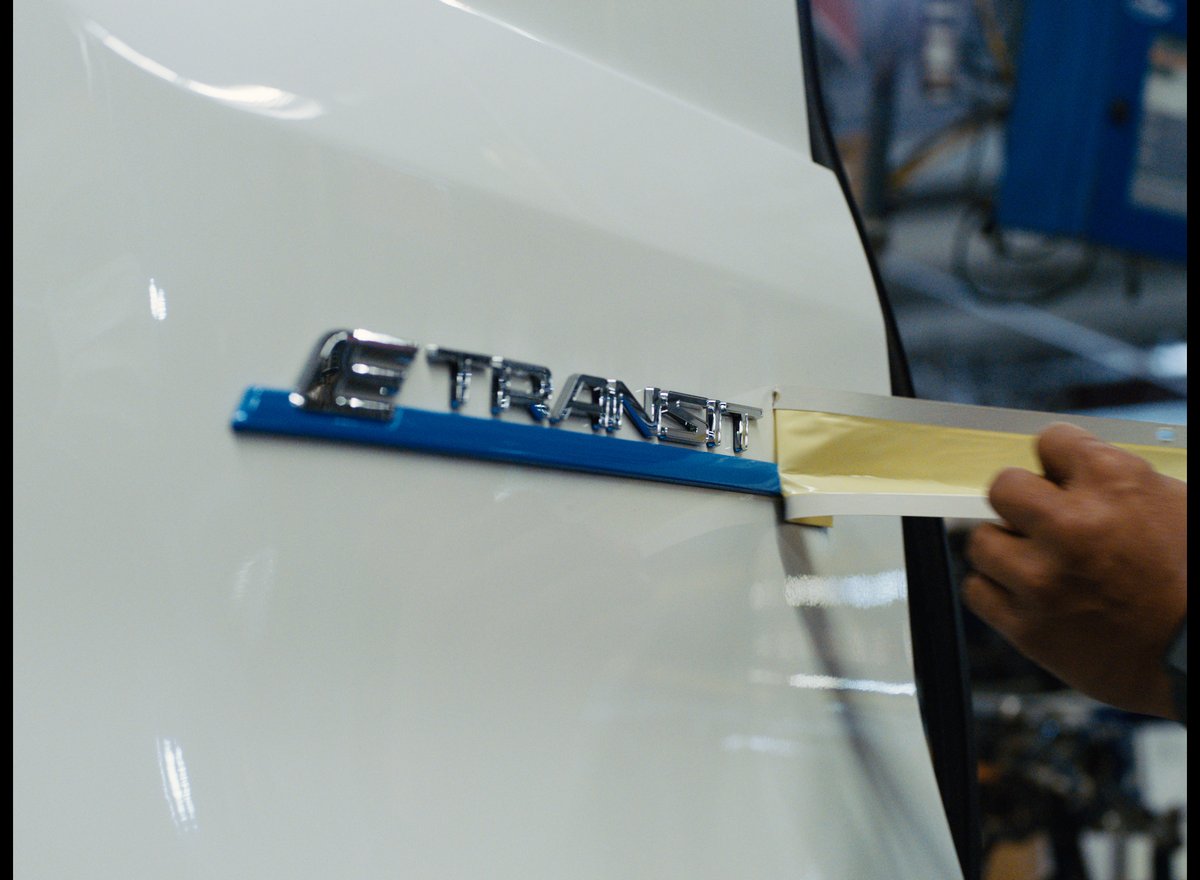
Ford is fighting back with aggressive pricing and new product offerings, but the company faces formidable structural challenges in defending its market share. The American automaker has launched the China-built Transit City, a compact van priced at approximately $29,000, dramatically undercutting its premium E-Transit Custom model, which carries a $45,510 price tag. This two-pronged approach—leveraging lower-cost Chinese manufacturing while maintaining premium offerings—reflects Ford's attempt to defend both the value and luxury segments of the commercial van market simultaneously.
However, Ford's pricing response alone may prove insufficient against entrenched competitors who possess significant structural advantages in Europe:
- Established charging infrastructure networks that reduce total cost of ownership for commercial fleet operators
- Strong brand recognition and customer loyalty built over decades of commercial vehicle sales
- Integrated service and maintenance ecosystems critical for commercial buyers requiring reliability
- Fleet management software and telematics platforms that lock customers into existing ecosystems
These competitive moats extend far beyond simple price competition, suggesting that Chinese manufacturers will need to build out comprehensive support infrastructure to capture meaningful market share from incumbents.
Market Context and Broader Competitive Dynamics
The light commercial van market represents one of the last truly profitable segments in European automotive, with significantly higher margins than passenger cars and more resilient demand patterns tied to logistics and construction activity. Ford Pro, the company's commercial vehicle division, has emerged as a cash cow for the broader Ford business, generating premium returns on capital that dwarf the struggling passenger vehicle operations. This makes the segment particularly attractive to Chinese competitors seeking to establish profitable footholds in Europe without facing the full brunt of tariff barriers.
The broader automotive industry context reveals deepening bifurcation in how traditional and Chinese competitors operate. While Western manufacturers have invested heavily in premium electric vehicle platforms and charging networks, Chinese competitors are pursuing a more pragmatic, price-competitive strategy that leverages their lower cost structures and manufacturing advantages. The commercial vehicle segment, previously overlooked by Chinese manufacturers who focused on passenger cars, now represents an obvious gap in their European expansion strategy.
Regulatory dynamics also favor this Chinese strategy. The EU's commercial vehicle emission standards are stringent, but electric vans provide a straightforward compliance path that simultaneously avoids passenger car tariffs. This regulatory alignment—where environmental policy and trade dynamics work in tandem—creates a nearly perfect market entry opportunity for Chinese manufacturers willing to invest in electric infrastructure.
Investor Implications and Strategic Concerns
For Ford shareholders, this represents a meaningful threat to one of the company's most reliable profit centers. While Ford Pro currently generates substantial cash flows, sustained pricing pressure from Chinese competitors could compress margins over time, particularly if Chinese manufacturers successfully build out charging and service networks. The company's reliance on China-built manufacturing for the Transit City suggests Ford recognizes it cannot compete on price using European production facilities—a strategic concession with long-term implications for European manufacturing employment and localization.
The broader implications extend across the European automotive supply chain. If Chinese manufacturers successfully establish van market beachheads through electric vehicles, they may use these positions to launch integrated offensives into adjacent segments where tariff disadvantages no longer apply or where charging infrastructure becomes standardized. This represents a potential watershed moment in automotive competition, where the commercial vehicle market serves as the proving ground for Chinese manufacturers' ability to challenge Western incumbents on their home turf.
Investors should monitor several key metrics going forward: Chinese electric van market share in Europe over the next 12-24 months, Ford Pro's margin trajectory, and the pace of charging infrastructure expansion by both Western and Chinese manufacturers. The outcome of this competitive battle will substantially influence investor confidence in traditional European automakers' ability to defend profitable segments against Chinese competition.
Looking Ahead
The Chinese entry into Europe's light commercial van market signals a maturation of competitive dynamics in global automotive. While traditional automakers like Ford retain significant advantages in brand recognition, service networks, and customer relationships, Chinese competitors have identified a market segment where pricing power and tariff structure create unusual competitive advantages. Ford's aggressive pricing response demonstrates the company understands the threat, but defending a profitable business line while maintaining margins will require more than price competition alone—it will demand continued innovation in charging infrastructure, fleet software, and total cost of ownership advantages that justify premium positioning.
The stakes for Ford are substantial, but the competitive battle unfolding in the commercial van segment carries implications far beyond a single company or market. As Chinese manufacturers expand their European presence segment by segment, the traditional automotive industry faces fundamental questions about competitive positioning, manufacturing strategy, and the sustainability of current profit models. For investors, this represents not merely a market share battle but a strategic inflection point that will shape the European automotive competitive landscape for years to come.