
Stock Surge Reflects Geopolitical Headwinds
Red Cat Holdings stock skyrocketed 17.38% in recent trading, capitalizing on renewed military interest in autonomous drone technology following U.S. combat operations against Iran. The dramatic single-day surge underscores how geopolitical events can rapidly reshape investor sentiment toward specialized defense contractors, particularly those developing cutting-edge unmanned systems positioned at the intersection of national security priorities and technological innovation.
The stock movement reflects broader market recognition that Red Cat's portfolio of autonomous unmanned systems—including the Variant 7 uncrewed surface vessel and Black Widow drones—addresses urgent military procurement demands. As global tensions escalate and defense budgets expand, the company finds itself in an advantageous position within the rapidly growing autonomous systems sector.
Key Technology Portfolio and Strategic Partnerships
Red Cat's recent momentum is anchored in its expanding technological capabilities and strategic positioning within the defense-technology ecosystem. The company's current product lineup encompasses:
- Variant 7 uncrewed surface vessel: An autonomous maritime platform designed for reconnaissance, surveillance, and combat support operations
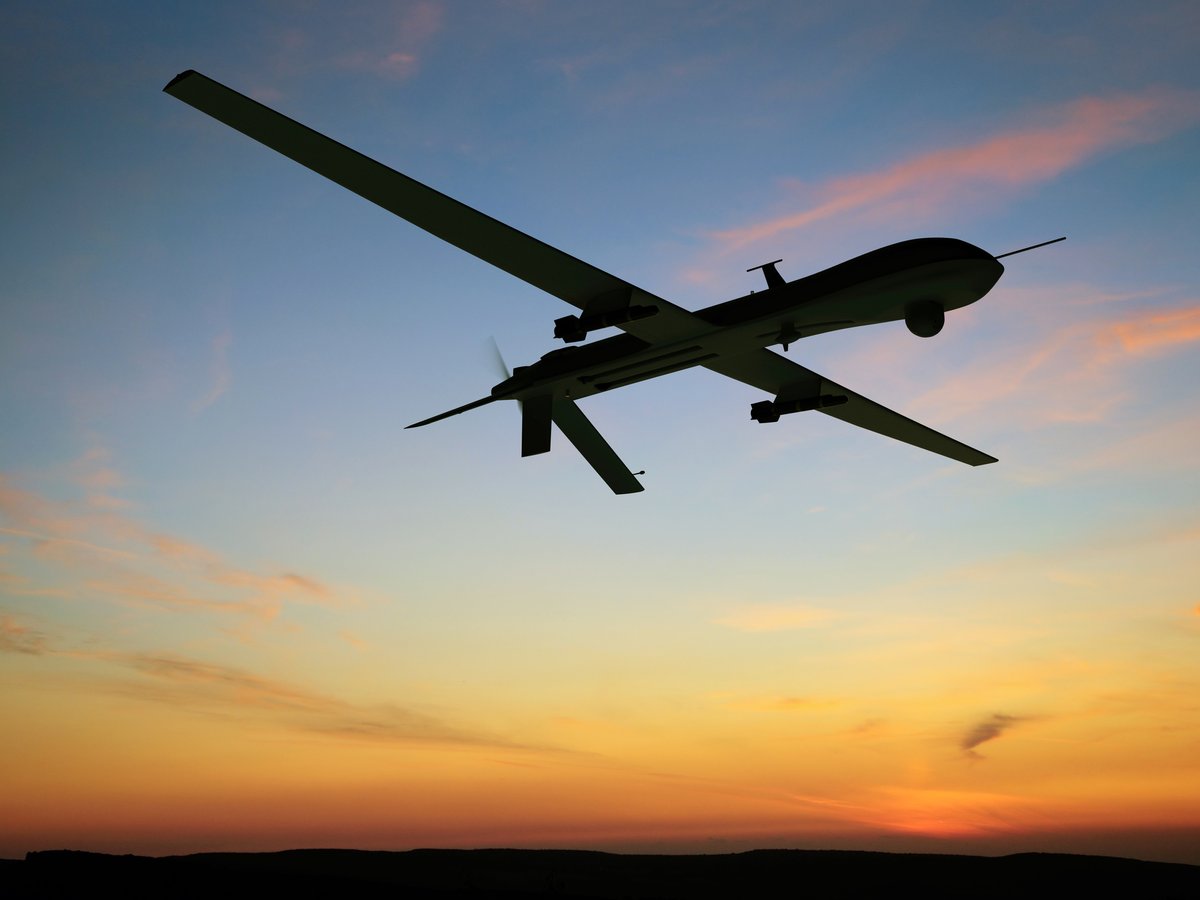
- Black Widow drones: Unmanned aerial systems engineered for tactical deployment
- Counter-drone technology integration: Through a newly announced partnership with Allen Control Systems
The strategic partnership with Allen Control Systems represents a significant expansion of Red Cat's defensive capabilities. This collaboration aims to integrate advanced counter-drone technology directly into Red Cat's existing platforms, creating multi-functional systems capable of both offensive reconnaissance and defensive countermeasures. Such integration addresses a critical gap in military capabilities—the need to neutralize adversarial drone threats while maintaining operational superiority.
This dual-capability approach reflects evolving military doctrine. Modern warfare increasingly hinges on unmanned system dominance, making both offensive and defensive drone capabilities essential. By combining autonomous surface vessels, aerial platforms, and active counter-drone systems, Red Cat creates an integrated ecosystem addressing multiple layers of modern defense requirements.
Market Context and Competitive Landscape
Red Cat's surge occurs within a rapidly expanding defense technology market experiencing structural tailwinds from both geopolitical instability and technological advancement. The global unmanned systems market has experienced consistent growth, driven by:
- Increased military modernization spending across NATO and allied nations
- Supply chain diversification away from single-source dependencies
- Accelerating drone adoption across military branches
- Emerging counter-drone requirements driving dual-capability demand
The competitive landscape remains fragmented but increasingly consolidated around specialized players. While larger defense contractors like Lockheed Martin ($LMT) and General Dynamics ($GD) operate across multiple segments, companies like Red Cat occupy a strategic niche—pure-play autonomous systems specialists with agility and focus that larger incumbents struggle to match.
Geopolitical tensions in the Middle East, Eastern Europe, and Asia-Pacific have accelerated procurement timelines and expanded budgets for unmanned systems. The demonstrated effectiveness of drones in recent conflicts has removed lingering skepticism about their military utility, converting what were once experimental programs into essential capabilities. This transition from experimental to mission-critical accelerates both government funding and private investment in the sector.
Regulatory environments remain supportive for established defense contractors with proper security clearances and compliance infrastructure. Red Cat's ability to navigate these requirements while maintaining technological agility positions it advantageously relative to startups lacking such certifications.
Investor Implications and Forward Outlook
For investors, Red Cat's dramatic single-day surge illustrates how specialized defense technology companies can deliver outsized returns during periods of escalating geopolitical risk. However, this volatility also underscores the sector's inherent sensitivity to news flow and policy shifts.
Key considerations for shareholders include:
- Cyclicality risk: Defense spending can fluctuate with political administrations and budgetary constraints
- Geopolitical dependency: Stock performance remains tethered to military tensions and international incidents
- Contract concentration: Concentration among government customers creates revenue dependency
- Execution risk: Successfully integrating new technologies and partnerships requires flawless operational execution
- Valuation expansion: Current stock movements may reflect significant future expectations already priced into valuations
The Allen Control Systems partnership demonstrates management's strategic thinking about product evolution. Rather than developing counter-drone capabilities in isolation, Red Cat leverages external expertise while maintaining core focus on autonomous platform development. This "build versus partner" approach can accelerate time-to-market while reducing development risk.
Longer-term, the company's growth trajectory depends on converting current geopolitical interest into sustained procurement contracts. Government defense contracts typically require multi-year commitments, providing revenue visibility once secured. Red Cat's challenge lies in translating recent stock momentum into actual contract awards that justify elevated valuation multiples.
The autonomous systems sector remains relatively nascent, with significant room for both consolidation and market expansion. Investors should monitor whether Red Cat's current surge reflects a temporary geopolitical reaction or signals sustained market recognition of structural growth drivers in unmanned systems demand.
Red Cat's 17.38% surge captures an important market trend: specialized defense technology companies are experiencing renewed investor interest as global military tensions drive urgent procurement of autonomous systems. The company's strategic partnerships and technology portfolio position it to capture meaningful market share within this expanding sector, though investors should recognize that defense stocks remain sensitive to geopolitical volatility and policy changes. Success ultimately depends on Red Cat's ability to convert current interest into sustained government contracts while managing execution risks inherent in emerging technology integration.