
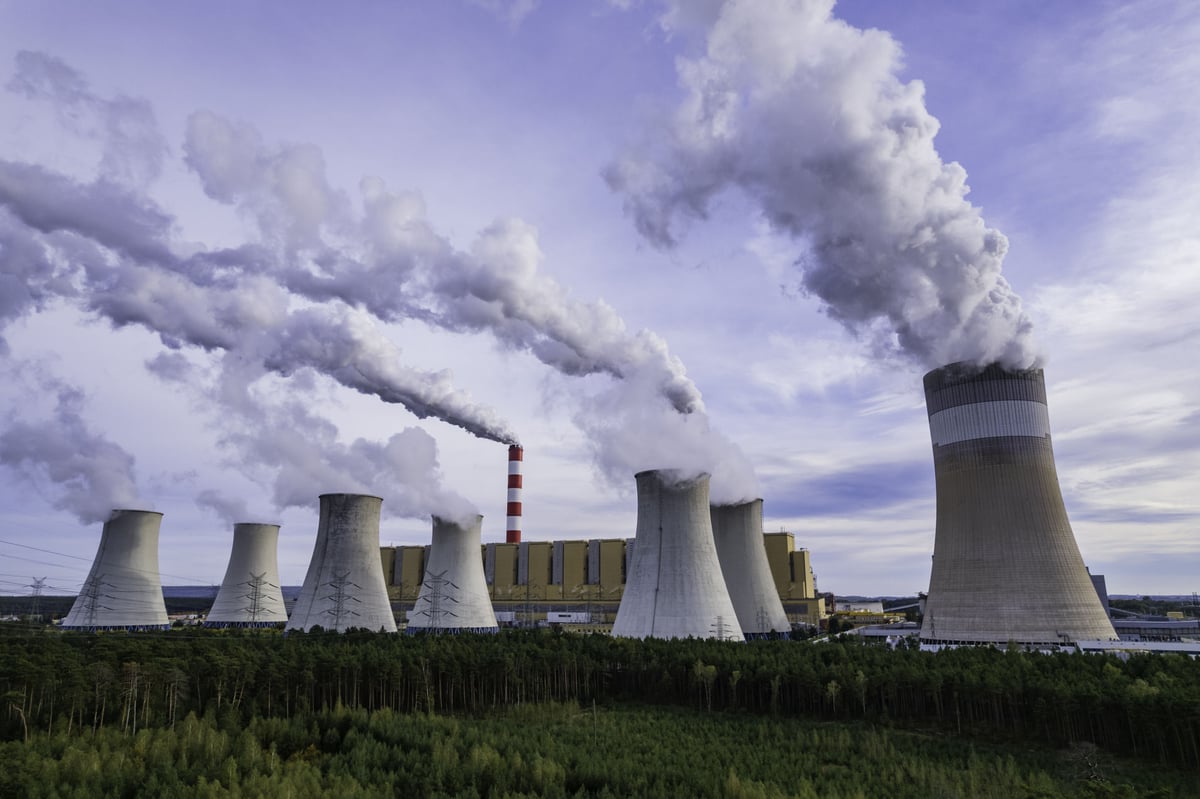
AI's Power Hunger Sparks Nuclear Renaissance: Three Stocks Positioned to Capitalize
Artificial intelligence's explosive energy demands are igniting a remarkable resurgence in nuclear power, as data centers worldwide grapple with electricity consumption that renewable energy sources cannot match. The International Energy Agency projects that global nuclear output will double by 2050, driven largely by the insatiable power requirements of AI infrastructure. This structural shift in energy markets is creating significant investment opportunities for companies positioned at the intersection of nuclear technology and clean energy solutions.
The AI-Nuclear Power Nexus
The connection between artificial intelligence and nuclear energy revival stems from a fundamental infrastructure challenge. Modern AI data centers consume enormous quantities of electricity—some of the largest facilities require power equivalent to small cities. While renewable energy sources like solar and wind have expanded dramatically in recent years, their intermittent nature and current technological limitations make them insufficient to support the consistent, massive baseload power that AI infrastructure demands.
Nuclear energy addresses this gap with critical advantages:
- 24/7 reliability: Nuclear plants operate continuously, unlike solar and wind, which depend on weather conditions
- Carbon-free generation: Aligns with corporate sustainability goals and regulatory mandates
- Scalability: Can provide gigawatts of power from relatively small geographic footprints
- Grid stability: Provides predictable, dispatchable power to stabilize electricity markets
The International Energy Agency's projection that worldwide nuclear output will double by 2050 reflects this emerging consensus among policymakers, energy analysts, and technology companies. Major cloud computing providers and AI firms have begun directly investing in nuclear capacity or signing long-term power purchase agreements, signaling confidence in this energy solution.
Three Beneficiary Stocks for 2026 and Beyond
Three companies are positioned as primary beneficiaries of this nuclear renaissance, each operating in distinct but complementary segments of the nuclear energy value chain:
Constellation Energy ($CEG)
Constellation Energy stands at the forefront of nuclear power generation, operating 21 nuclear reactors across multiple facilities in the United States. This makes the company the largest operator of nuclear capacity in America, providing a direct play on increased nuclear output. The company benefits from both rising electricity prices driven by AI demand and regulatory tailwinds favoring carbon-free power generation. With existing reactor infrastructure already operational, $CEG requires minimal capital to increase generation and can rapidly capture value from growing power demand.
Centrus Energy ($LEU)
Centrus Energy supplies enriched uranium, a critical input material for nuclear power generation. As nuclear capacity expands to meet AI energy demands, uranium consumption will increase proportionally. The company's position in the fuel supply chain creates a recurring revenue stream with growing volumes. Centrus benefits from favorable supply-demand dynamics in the uranium market and potential government support for domestic fuel production, particularly in geopolitically sensitive contexts.
GE Vernova ($GEV)
GE Vernova provides comprehensive nuclear and gas turbine solutions, positioning it as a technology and equipment supplier to the expanding nuclear sector. The company offers both traditional nuclear technology and advanced reactor designs that could help accelerate deployment. Beyond nuclear, GE Vernova's gas turbine business provides complementary energy infrastructure solutions. This diversified exposure makes the company a broad play on the overall energy transition and grid modernization.
Market Context and Industry Dynamics
The Renewable Energy Reality Check
While solar and wind capacity have grown substantially—particularly in recent years—their intermittent nature creates challenges for data center operators requiring guaranteed power supply. Battery storage technology remains expensive and limited in duration, making nuclear the most practical solution for providing consistent baseload power at scale. This represents a meaningful shift in energy market expectations after decades of assuming renewables would dominate the decarbonization narrative.
Regulatory and Policy Tailwinds
Governments worldwide are reevaluating nuclear energy policy, recognizing its critical role in meeting climate objectives while maintaining grid reliability. Streamlined regulatory approval processes, extended operating licenses for existing reactors, and support for new reactor construction are becoming standard policy responses. This regulatory pivot removes one of the historical obstacles to nuclear expansion.
Competitive Landscape
The nuclear renaissance attracts interest from major energy companies, technology firms, and infrastructure investors. $CEG faces competition from other nuclear operators and utilities, though its scale provides competitive advantages. The uranium supply chain includes other participants, but $LEU holds strategic domestic production capacity. $GEV competes with other equipment manufacturers but benefits from GE's technological legacy and market position.
Investor Implications and Forward Outlook
For equity investors, this nuclear energy shift presents several compelling investment theses:
Structural Growth Driver: Unlike cyclical energy trends, AI-driven electricity demand represents a multi-decade structural growth driver that should support nuclear capacity expansion through 2050 and beyond.
Multiple Expansion Potential: As markets reassess nuclear energy from a stranded-asset narrative to a growth sector, valuation multiples for nuclear operators and suppliers could expand significantly.
Essential Infrastructure: Nuclear power plants represent critical infrastructure with high barriers to entry, creating durable competitive advantages for established players like $CEG.
Supply Chain Leverage: Suppliers like $LEU benefit from volume growth in uranium demand with favorable pricing power if supply cannot keep pace with demand expansion.
Technology Optionality: $GEV benefits from both increased demand for conventional nuclear technology and potential deployment of advanced reactor designs offering improved economics and safety.
The timing of this nuclear renaissance creates a unique window for investors to position for a secular growth trend still underappreciated by mainstream markets. While individual stock performance depends on execution, competitive dynamics, and regulatory outcomes, the fundamental demand driver—AI infrastructure requiring massive, reliable, carbon-free electricity—appears increasingly certain.
The convergence of artificial intelligence's explosive growth, climate change imperatives, and grid reliability concerns has created an unexpected and substantial tailwind for nuclear energy. For investors seeking exposure to this emerging theme, Constellation Energy, Centrus Energy, and GE Vernova represent three distinct entry points into what could become one of the decade's most significant energy market transitions.