
SpaceX Eyes $1.75T IPO in June; Nvidia Positioned as Key Beneficiary
SpaceX is preparing for a landmark initial public offering in June 2026 at a staggering $1.75 trillion valuation, according to emerging reports in the aerospace and technology sectors. The offering could raise approximately $50 billion to fund the company's most ambitious ventures yet, including space-based AI data centers and an operational lunar colony. While these initiatives represent extraordinary moonshots in both scope and execution risk, the IPO's timing and scale underscore the massive capital requirements for next-generation space infrastructure—and reveal which companies are positioned to capture value across the supply chain.
Key Details of the IPO and Capital Deployment
SpaceX's proposed valuation of $1.75 trillion would establish it as one of the most valuable companies globally, eclipsing the market capitalizations of tech giants like Microsoft and approaching the combined value of the top five technology companies. A $50 billion raise would represent one of the largest IPOs in history, surpassing the record-setting Saudi Aramco IPO of $29.4 billion in 2019.
The capital is earmarked for three transformative initiatives:
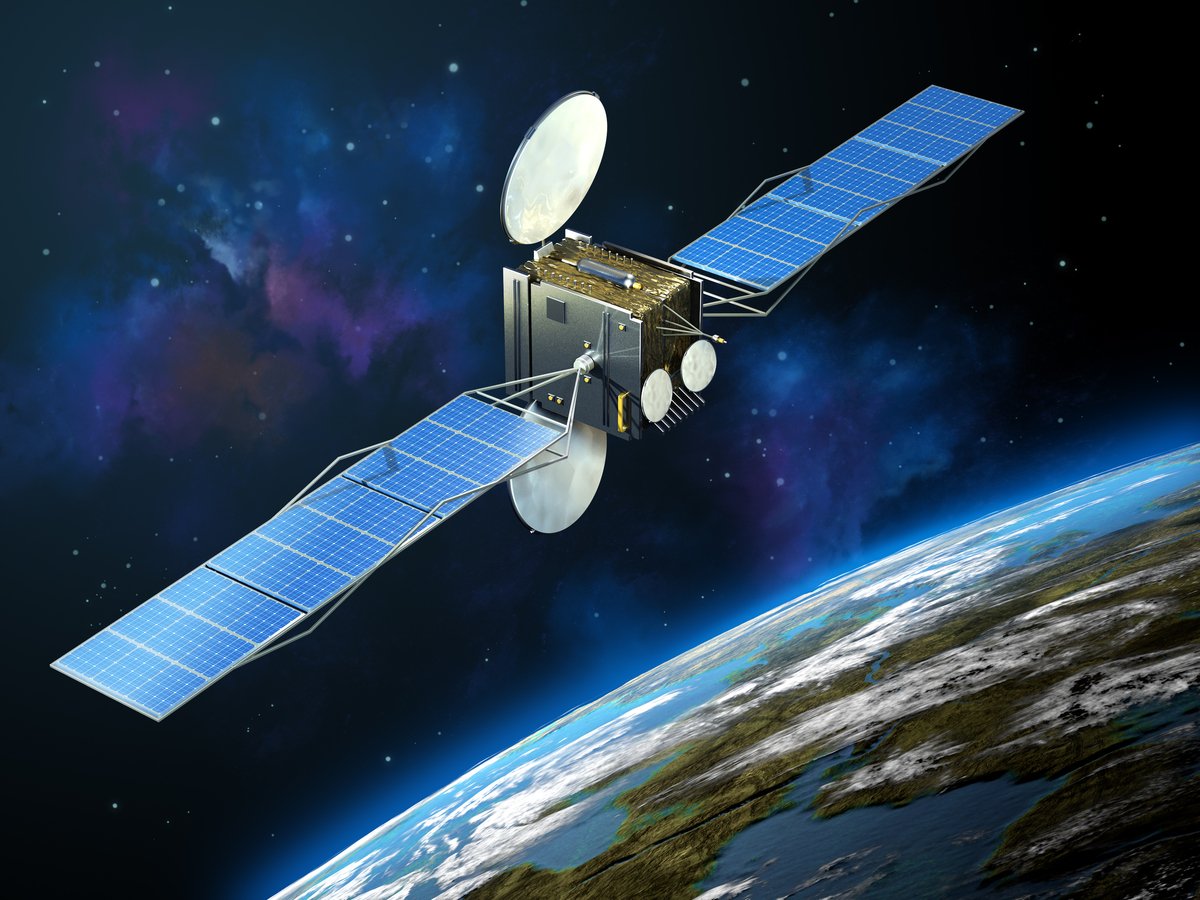
- Space-based AI data centers: Infrastructure deployed in orbit to provide latency-free computing power and overcome terrestrial bandwidth constraints
- Lunar colonization program: Development of permanent human settlements on the Moon to support scientific research, resource extraction, and eventual deep-space exploration
- Starship fleet expansion: Continued development and manufacturing of the fully-reusable super-heavy lift vehicle designed for Mars missions and high-cadence launch operations
These ventures carry substantial technological and commercial uncertainties. Space-based data centers require solving fundamental challenges in thermal management, radiation hardening, and orbital logistics. A lunar colony demands breakthroughs in in-situ resource utilization, life support systems, and long-duration human spaceflight—areas where progress has historically moved slower than initially projected.
Market Context: The Space Economy Transformation
The timing of SpaceX's IPO coincides with a broader transformation in the space industry. The commercial space market, valued at approximately $440 billion in 2023, is expanding rapidly as satellite communications, Earth observation, and space tourism mature. Launch costs have plummeted from $65,000 per kilogram in 1970 to approximately $1,700 per kilogram with SpaceX's Falcon 9, fundamentally altering the economics of space-based infrastructure.
SpaceX currently operates the Starlink constellation, comprising over 6,000 satellites, generating substantial revenue from broadband connectivity. The company has also secured lucrative contracts with the U.S. Department of Defense and NASA, including missions for the Space Force, lunar cargo transport, and crewed Moon landings. These revenue streams provide a foundation, though the company's aggressive expansion into new frontiers carries execution risk.
Competitors in the launch and space infrastructure sectors include Blue Origin, Axiom Space, and various international entities. However, no competitor currently matches SpaceX's operational capability, launch cadence, or technological sophistication. The company's vertically integrated manufacturing and rapid iteration approach has created a substantial competitive moat.
Why Nvidia Emerges as the Prime Beneficiary
Wherever SpaceX directs its ambitious capital spending, one supplier stands to capture disproportionate value: Nvidia ($NVDA). The semiconductor giant maintains an 85% market share in AI accelerator chips, a dominance that translates into oligopolistic pricing power and margin expansion across computing segments—including emerging space applications.
Space-based AI data centers would require cutting-edge AI accelerators and GPUs capable of operating in harsh radiation environments. Nvidia's advanced H100 and future Blackwell architectures would form the computational core of orbital infrastructure. The space-rated versions of these chips command premium pricing compared to terrestrial equivalents, directly benefiting Nvidia's revenue and gross margins.
Even if SpaceX's most speculative ventures experience delays or technical setbacks, Nvidia benefits through multiple pathways:
- Starlink operations: Expanding the satellite constellation requires edge computing, AI-driven network optimization, and ground station infrastructure
- Lunar infrastructure: Autonomous systems, AI-powered rovers, and data processing centers on the Moon would require Nvidia's specialized computing solutions
- Earth observation and AI: SpaceX satellites analyzing imagery and sensor data need AI chips for on-orbit processing
- General expansion: Regardless of which ventures succeed, SpaceX's capital spending stimulates demand across its supply chain
Nvidia's market position in AI semiconductors is reinforced by massive structural demand: enterprise AI infrastructure buildout, cloud computing expansion, automotive electrification, and emerging applications like space-based computing. Nvidia reported $60.9 billion in fiscal 2024 revenue, with Data Center revenues exceeding $55 billion and driving gross margins above 75%.
The company's valuation, while substantial, reflects realistic expectations for continued AI infrastructure spending across terrestrial and emerging space-based applications. Institutional investors view Nvidia as a foundational AI infrastructure play with durable competitive advantages and secular growth tailwinds.
Investor Implications: Risk-Adjusted Exposure
For investors evaluating SpaceX's IPO, the prospect of a $1.75 trillion valuation raises important questions about price discovery and valuation methodology. Space ventures, however technologically innovative, carry longer development timelines, regulatory complexities, and binary execution risks compared to established technology platforms.
Nvidia ($NVDA) offers a more pragmatic approach to capturing value from SpaceX's capital deployment. Rather than betting on the commercial success of untested space-based data centers or lunar colonies, Nvidia investors participate in the broader computational infrastructure buildout that underpins these ventures. The company's 85% market share in AI accelerators provides a form of economic moat that persists regardless of which specific space initiatives succeed or fail.
The semiconductor sector benefits from SpaceX's capital spending regardless of outcomes. Enhanced space-based infrastructure increases demand for AI chips, advanced processors, and computing systems across multiple segments. Nvidia is positioned to supply these critical components at premium margins.
Looking Forward: The Space-AI Convergence
SpaceX's $1.75 trillion IPO represents a watershed moment in space commercialization, reflecting genuine technological progress and market potential. However, the most reliable way to participate in the space economy's growth may be through companies supplying fundamental enabling technologies—particularly AI semiconductors.
Nvidia's dominant position as the primary supplier of AI chips ensures that it captures value across multiple space-related initiatives, from communications satellites to orbital data centers to autonomous exploration systems. As SpaceX deploys its IPO proceeds into ambitious next-generation ventures, Nvidia remains positioned as an essential infrastructure provider, offering investors exposure to space-economy growth with substantially lower execution risk than SpaceX itself.