
Lockheed Martin Poised for Sustained Growth as Global Military Modernization Accelerates
Lockheed Martin ($LMT) stands to benefit from a multi-year wave of international defense spending as countries worldwide accelerate military aircraft upgrades, positioning the defense contractor for robust long-term growth despite current valuation metrics that some investors might find elevated. The aerospace and defense giant is capitalizing on a critical moment in global defense procurement, with aging fighter jet fleets reaching the end of their service lives and geopolitical tensions spurring governments to modernize their air forces with advanced platforms.
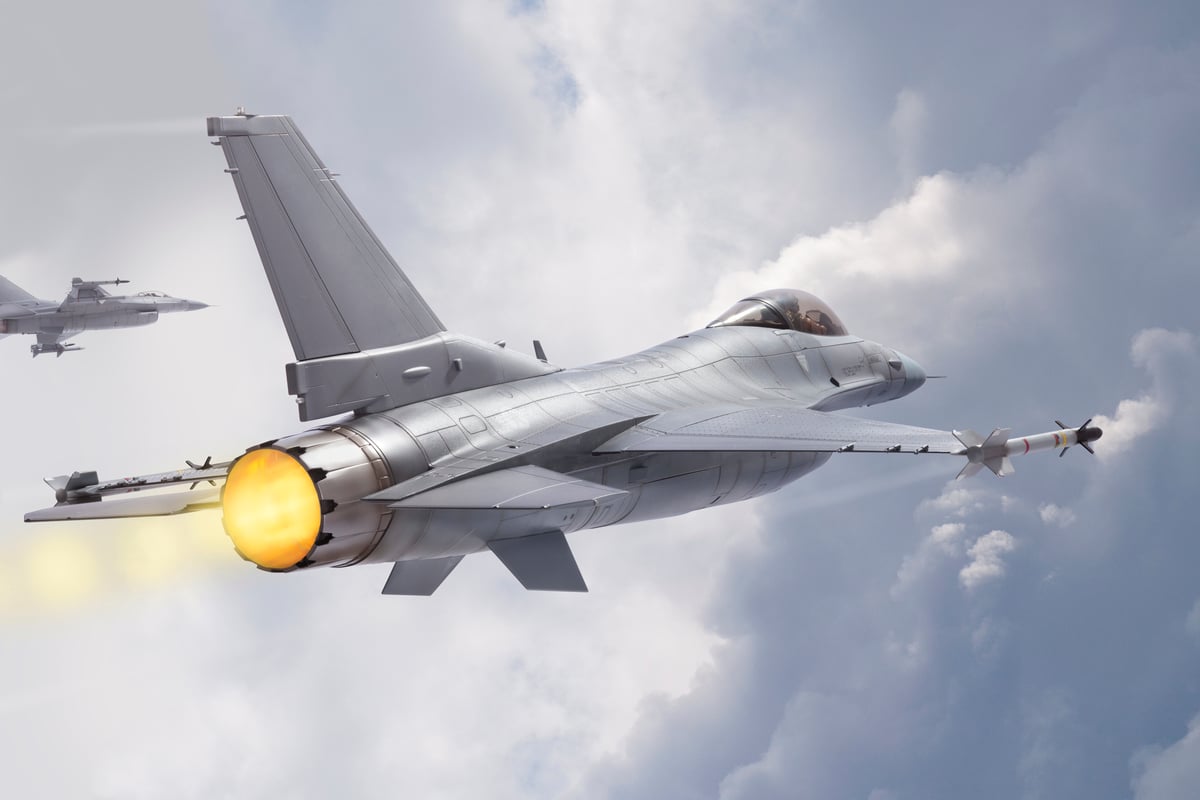
Greece's recent defense commitments exemplify this broader trend. The country has committed $1.15 billion to upgrade existing F-16 fighter jets to the advanced F-16 Viper configuration while simultaneously ordering F-35 stealth fighters, one of the most technologically sophisticated combat aircraft ever developed. These decisions by a NATO ally underscore the strategic importance of maintaining cutting-edge air capabilities in an increasingly complex security environment, and they directly benefit Lockheed Martin, which serves as the primary contractor for both platforms.
The F-16 Advantage and Market Dominance
At the heart of Lockheed Martin's growth narrative lies the remarkable longevity and global ubiquity of the F-16 Fighting Falcon. As the world's most popular fighter jet, the F-16 platform has become the international standard for modern air combat, with over 3,000 aircraft delivered to numerous allied nations since its introduction in the 1970s. This installed base creates a persistent revenue stream as countries invest in modernization packages, avionics upgrades, engine improvements, and conversion kits that extend aircraft serviceability while maintaining technological parity.
Key market drivers include:
- Established global customer base: NATO members, allied nations, and strategic partners operating legacy F-16 fleets seeking modernization
- F-16 Viper upgrades: Advanced configurations with improved avionics, sensors, and weapons integration capabilities
- F-35 Lightning II integration: Growing adoption of the next-generation stealth fighter across allied air forces
- Maintenance and sustainment contracts: Long-term revenue from parts, logistics, and technical support
- Recurring upgrade cycles: Planned modernization programs across multiple allied nations extending visibility into future revenues
Financial Performance and Valuation Perspective
Lockheed Martin currently trades at approximately 30 times earnings, a multiple that reflects both the quality of its recurring defense revenue streams and investor confidence in its long-term growth trajectory. The company's strong cash generation capabilities provide the financial flexibility to fund research and development, capital investments, and shareholder returns while maintaining balance sheet strength.
The valuation appears justified by the company's projected 19% long-term earnings growth rate, which substantially exceeds typical mature industrial company growth profiles. This elevated growth rate reflects several converging factors: the structural underinvestment in defense capabilities across allied nations, the modernization imperative created by aging aircraft fleets, and the geopolitical environment that continues to prioritize military readiness.
Market Context and Industry Dynamics
The global defense spending environment remains robust, with NATO nations committing to increased defense budgets amid heightened geopolitical tensions. The F-16 platform specifically benefits from its proven reliability, extensive ecosystem of suppliers and support infrastructure, and the political feasibility of modernization programs compared to entirely new aircraft development.
Lockheed Martin operates within a consolidating aerospace and defense sector dominated by a handful of large prime contractors. Competitors in the fighter aircraft segment include Boeing ($BA), which produces the F/A-18 Super Hornet, and international players like Airbus ($EADSY) and Dassault Aviation. However, Lockheed Martin's dominant market position in the F-16 and F-35 segments provides significant competitive advantages, including established customer relationships, proven supply chains, and deep technical expertise.
The regulatory environment also favors incumbent defense contractors. Government procurement processes involve extensive qualification requirements, security clearances, and supply chain certifications that create high barriers to entry for new competitors. Export controls on advanced military platforms further concentrate market share among established defense primes with demonstrated compliance capabilities and government relationships.
Investor Implications and Risk Considerations
For equity investors evaluating Lockheed Martin at current valuation levels, the investment thesis rests on three fundamental pillars. First, the structural demand for F-16 modernization and F-35 procurement appears durable across multiple budget cycles, providing revenue visibility extending well into the next decade. Second, the company's strong free cash flow generation and returns on invested capital support a valuation premium relative to slower-growing industrial peers. Third, the regulatory and competitive moats surrounding defense contracting create a defensible competitive position unlikely to be disrupted by new entrants.
However, investors should acknowledge key risk factors that could impact the investment case. Changes in geopolitical conditions or government defense priorities could alter procurement timelines or reduce overall defense spending growth. Congressional budget negotiations, defense policy shifts following elections, and international diplomatic developments could affect program funding. Additionally, the 30x earnings multiple leaves limited room for disappointment on execution or growth assumptions; any significant shortfall in earnings growth could pressure valuations downward.
The defense contracting sector historically provides relative stability during economic cycles, as government spending on military capabilities tends to continue regardless of macroeconomic conditions. This characteristic makes Lockheed Martin potentially attractive for defensive portfolio positioning, particularly in uncertain market environments.
With global military modernization accelerating and Lockheed Martin positioned as the primary beneficiary of the F-16 and F-35 platforms' continued dominance, the company appears fairly valued at current levels for investors with a multi-year investment horizon and appropriate risk tolerance. The combination of proven market leadership, strong cash generation, and secular tailwinds from global defense modernization supports the current valuation, though investors should remain vigilant regarding geopolitical and budgetary risks that could materially affect long-term growth assumptions.