
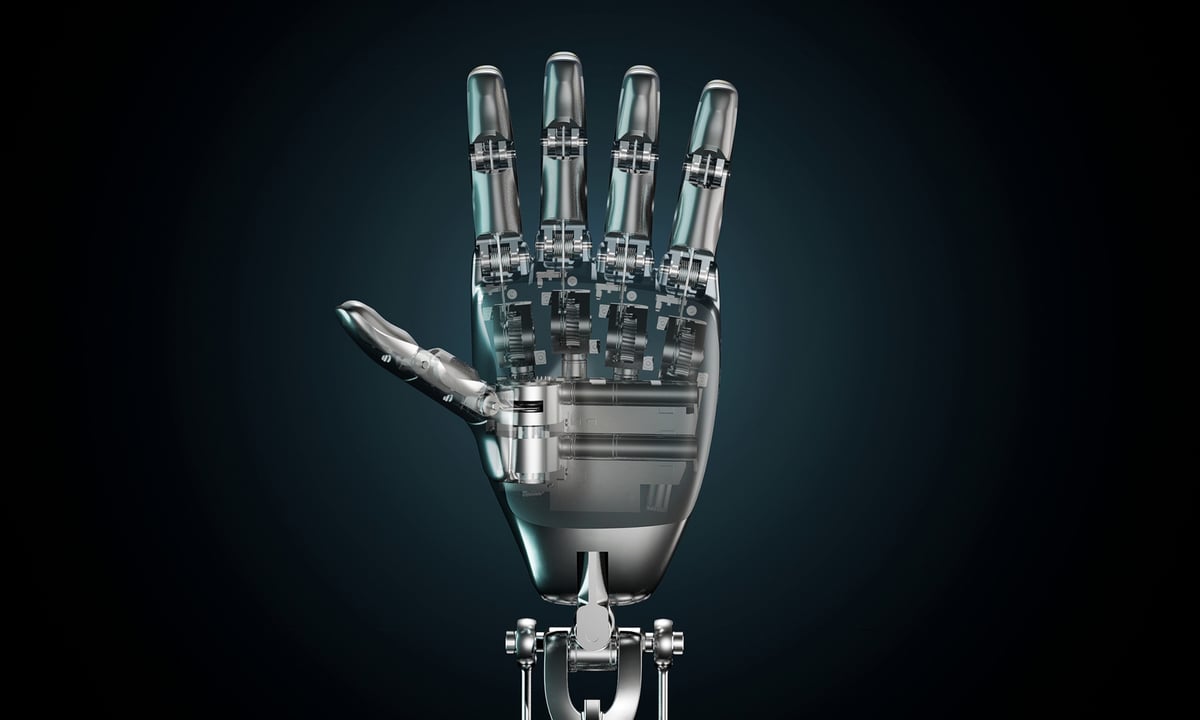
Tesla is redirecting its manufacturing operations toward humanoid robotics, converting its Fremont facility to prioritize Optimus production with Generation 3 units expected to reach assembly lines by the end of the year. This strategic shift reflects the company's move beyond traditional automotive manufacturing toward a diversified revenue model centered on autonomous robotics technology.
The monetization strategy for Optimus encompasses both direct hardware sales and recurring revenue streams through software-as-a-service offerings, mirroring Tesla's established Full Self-Driving subscription model. The company plans to generate high-margin revenue through continuous software updates and machine learning capabilities that expand the robot's functional scope over time, creating a scalable business model beyond one-time hardware transactions.
Equity analysts tracking the company project Tesla's earnings could reach double current levels by 2028, with this growth increasingly attributable to Optimus scaling and artificial intelligence initiatives rather than electric vehicle sales expansion. The transition signals management's confidence in the commercial viability of humanoid robotics while positioning the company to capture what could become a significant market opportunity as automation demand grows across industrial and consumer segments.