
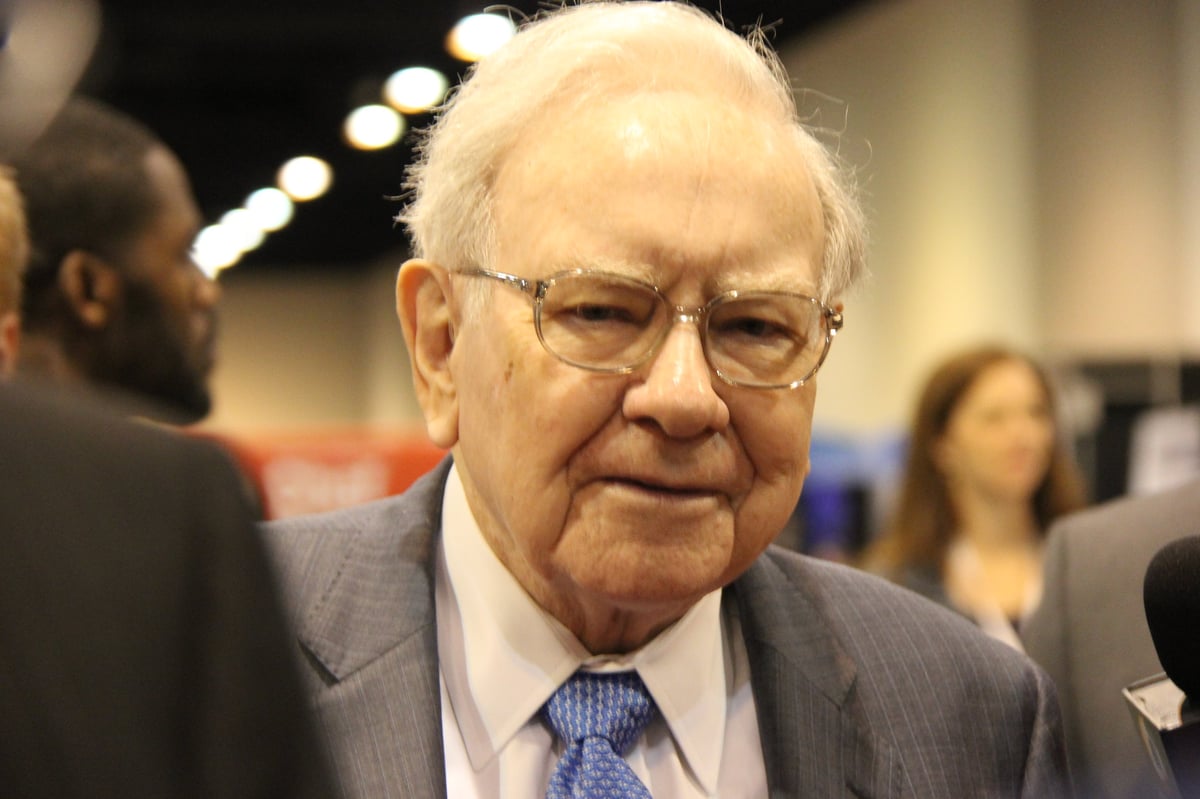
Apple and Moody's Join Berkshire's Permanent Portfolio Under New Leadership
Greg Abel, the newly installed CEO of Berkshire Hathaway, has designated Apple and Moody's as "forever" holdings—the company's most strategically important investments reserved for permanent ownership. The move marks a significant statement of confidence from Abel in these two companies, while also illustrating a nuanced evolution of Berkshire Hathaway's investment strategy under its new leadership. The designation comes at a particularly notable moment for Apple ($AAPL), given that outgoing CEO Warren Buffett had dramatically reduced the company's stake by 75% in recent years, raising questions about the philosophical continuity between the legendary investor and his successor.
The addition of these two stocks to Berkshire's coveted "forever" list—a designation Buffett established to identify his most conviction-driven positions—represents a clear signal about Abel's investment priorities and risk appetite. While Moody's ($MCO) has been a holding since 2000 and generates an extraordinary 41% annual yield on cost, the inclusion of Apple is more complex. The tech giant now trades at a P/E ratio of 33.4, elevated by historical standards, and its device sales growth has stalled in recent quarters, presenting challenges that likely concerned Buffett during his recent divestment.
The Divergence Between Buffett and Abel's Vision
The contrast between Buffett's actions and Abel's positioning reveals interesting nuances in how the leadership transition is unfolding at Berkshire Hathaway. Buffett, who built Apple into one of Berkshire's largest positions over the past decade—at one point representing roughly 5% of the conglomerate's portfolio—has systematically trimmed the stake by approximately 60% since its peak, selling 1 billion shares worth roughly $45 billion between 2023 and 2024.
This reduction suggested concerns about Apple's valuation, competitive dynamics in the smartphone market, and the company's limited dividend yield relative to its stock price appreciation potential. Abel's decision to classify Apple as a "forever" holding despite these headwinds indicates either:
- Confidence in long-term artificial intelligence integration that could revitalize the aging iPhone refresh cycle
- Belief in the company's services ecosystem and its high-margin, recurring revenue potential
- A philosophical pivot toward accepting higher valuations for dominant market positions
- Trust in Apple's capital return program, including buybacks and dividends
By contrast, Moody's, a credit rating agency with structural competitive advantages and limited substitutes, aligns more comfortably with traditional Berkshire Hathaway value investing principles. The company's 41% yield on cost—reflecting Berkshire's cost basis accumulated since 2000—demonstrates the power of patient capital deployment in high-quality franchises.
Market Context and Sector Positioning
Apple's inclusion in the "forever" holdings comes as the technology sector faces considerable uncertainty. The company's device sales have plateaued, with iPhone sales declining in key markets including China, where competition from domestic manufacturers like BYD and Xiaomi has intensified. The P/E ratio of 33.4 places Apple at a significant premium to historical averages and to the broader market, raising questions about how much upside remains for long-term investors.
Meanwhile, Moody's operates in a more favorable structural environment. As one of three dominant credit rating agencies alongside S&P Global and Fitch, Moody's benefits from regulatory requirements that mandate credit ratings for most corporate and municipal debt issuances. This creates a durable competitive moat and relatively stable earnings visibility, characteristics that have traditionally defined Berkshire Hathaway's ideal holdings.
The broader investment landscape also matters for context:
- Technology stocks have driven market returns in 2024, with the "Magnificent Seven" commanding outsized valuations
- Valuation compression remains a risk if interest rates stabilize at higher levels than previously expected
- Artificial intelligence adoption uncertainty continues to cloud visibility for traditional tech hardware manufacturers
- Credit rating agencies benefit from rising rates, as higher financing costs increase the volume of bond issuances
Investor Implications and Strategic Signals
Abel's positioning of these two stocks as permanent holdings sends important signals to Berkshire Hathaway shareholders and the broader market about the company's forward direction. The move suggests confidence that Apple, despite recent headwinds, remains essential infrastructure in the technology ecosystem—particularly if artificial intelligence applications embedded in devices prove transformational. The bet implicitly assumes that Apple's services revenue, installed base of 2+ billion devices globally, and ecosystem lock-in justify the current valuation despite weak near-term device cycle dynamics.
For Berkshire Hathaway shareholders, the designation of "forever" holdings traditionally means these positions will only be sold under extraordinary circumstances or if valuations become grotesquely excessive. This provides stability and reduces portfolio turnover, aligning with the company's preference for passive, buy-and-hold wealth accumulation strategies.
The move also matters for market observers tracking the leadership transition at Berkshire Hathaway. Abel, who became CEO following Buffett's transition to chairman, appears willing to make independent investment decisions rather than simply rubber-stamping his predecessor's existing strategy. The embrace of Apple—a stock Buffett was clearly exiting—demonstrates that Abel possesses genuine autonomy and conviction in his own analysis.
Investors should also note that Moody's addition to the "forever" list likely reflects recognition of the rating agency's exceptional capital efficiency and pricing power. With debt markets remaining robust and regulatory requirements creating structural demand, Moody's generates substantial free cash flow that benefits shareholders through dividends and buybacks—precisely the kind of self-reinforcing value creation that Berkshire Hathaway historically favors.
Forward-Looking Considerations
As Berkshire Hathaway navigates its post-Buffett era, the composition of its "forever" holdings will increasingly reflect Abel's investment philosophy and priorities. The inclusion of Apple alongside traditional franchises like Moody's suggests a portfolio that blends Buffett's legacy positions with Abel's assessment of which businesses can generate superior long-term returns for shareholders.
Investors watching Berkshire Hathaway should pay close attention to whether Apple's device sales stabilize and whether artificial intelligence integration drives a new upgrade cycle. If Apple continues to struggle, Abel's public commitment to the "forever" holding might face credibility tests. Conversely, if the company successfully leverages AI to revitalize demand, the "forever" classification could prove prescient—a validation that Abel saw opportunity where his predecessor saw valuation risk.
For the broader market, Berkshire Hathaway's investments often influence sector sentiment and provide signals about the investment landscape. The decision to enshrine Apple and Moody's as permanent holdings suggests confidence in both technology's long-term value creation potential and in the structural advantages of financial services franchises operating in a credit-intensive global economy. These choices will likely inform Berkshire Hathaway's ongoing capital allocation decisions and set the tone for its portfolio strategy for years to come.